
Banff, AB Travel and Things to Do Guide
With inspirational views in every direction, Banff and Lake Louise create the perfect backdrop for any meeting or gathering. There is a full range of meeting spaces, from simple meeting rooms to mountaintop venues and 15,000 square foot conference spaces. An impressive collection of offsite venues can transform to fit every theme imaginable, whatever your taste or budget.
Weather and Seasonality
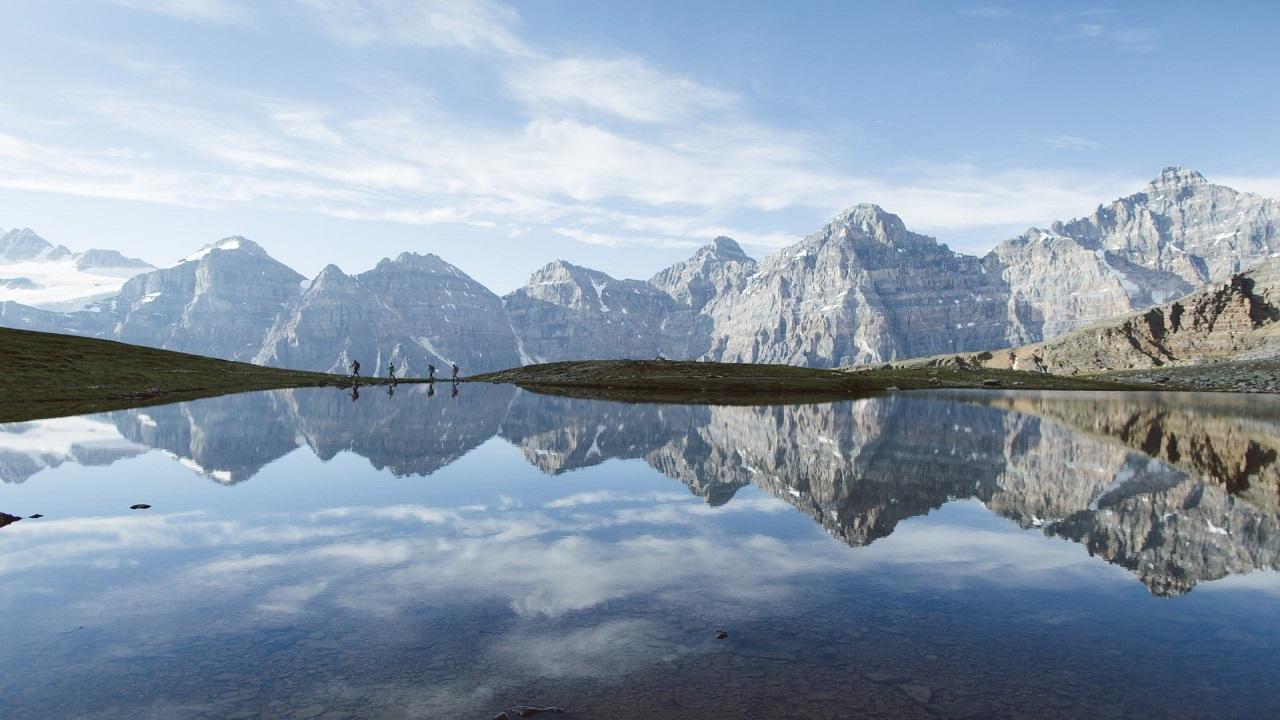
Banff and Lake Louise enjoy cold, snowy winters, but sunny and warm summers. Days are short in the winter, but joyfully long in the summer.
Summer produces comfortable temperatures during the day, perfect for adventures. Nighttime brings cooler temperatures, perfect for sitting fireside and watching the stars. Through the fall, watch the colours changing in the trees and the snow beginning to fall. Embrace the crispness in the air. Winter is magical in Banff and Lake Louise with snow-capped mountains and the dry snow saturating the valley. It may be long, but with plenty of adventures to be had, it's not so daunting. Spring is all about rejuvenation and re-starting. Excitement is in the air as summer draws closer and days get longer and warmer.
Autumn in Banff National Park means cool mornings, which warm up with the sun. By mid-October there is often frost on the ground in the morning and leaves start to fall. Snow will likely start to cover the peaks and sometimes dust the valley floor.
The winter air tends to be cold and dry, but it is warmer than similar mountainous areas in Alberta due to the Chinook winds. The peaks and ski hills receive large amounts of snow, while the town of Banff normally gets a moderate amount and the hamlet of Lake Louise gets a little more.
Summer produces comfortable temperatures during the day, perfect for adventures. Nighttime brings cooler temperatures, perfect for sitting fireside and watching the stars. Through the fall, watch the colours changing in the trees and the snow beginning to fall. Embrace the crispness in the air. Winter is magical in Banff and Lake Louise with snow-capped mountains and the dry snow saturating the valley. It may be long, but with plenty of adventures to be had, it's not so daunting. Spring is all about rejuvenation and re-starting. Excitement is in the air as summer draws closer and days get longer and warmer.
Autumn in Banff National Park means cool mornings, which warm up with the sun. By mid-October there is often frost on the ground in the morning and leaves start to fall. Snow will likely start to cover the peaks and sometimes dust the valley floor.
The winter air tends to be cold and dry, but it is warmer than similar mountainous areas in Alberta due to the Chinook winds. The peaks and ski hills receive large amounts of snow, while the town of Banff normally gets a moderate amount and the hamlet of Lake Louise gets a little more.
| Month | High/Low °F | Seasonality |
|---|---|---|
| January | 25°/7° | Low |
| February | 32°/11° | Low |
| March | 39°/18° | Medium |
| April | 49°/27° | Medium |
| May | 58°/34° | High |
| June | 65°/41° | High |
| July | 73°/45° | High |
| August | 72°/44° | High |
| September | 62°/36° | High |
| October | 50°/29° | Medium |
| November | 33°/17° | Low |
| December | 23°/7° | Medium |