
Toronto, ON Travel and Things to Do Guide
Toronto, located in Ontario, is Canada’s largest city and one of North America’s leading destinations for meetings, conventions, and international business events.
Toronto serves as the economic, cultural, and innovation center of Canada, attracting conferences and corporate gatherings from around the world.
The city is also Canada’s most-visited destination and is recognized for its multicultural population, global connectivity, and extensive hospitality infrastructure. Toronto’s diverse identity is reflected through its neighborhoods, culinary scene, arts community, and international business environment. More than 200 languages and dialects are spoken across the city, and over 51% of residents were born outside of Canada, making Toronto one of the most multicultural cities in the world. Combined with major convention infrastructure and a wide variety of event spaces, Toronto supports conferences, trade shows, incentive programs, and executive meetings of every scale.
Why Toronto is Ideal for Event Planning
Toronto combines large-scale convention capabilities with strong cultural and business appeal. The city offers planners access to major financial institutions, technology companies, research organizations, and international corporations while also providing vibrant entertainment districts and waterfront attractions for attendees.
Its walkable downtown core, extensive public transportation system, and integrated hotel network help simplify logistics for large events. Toronto’s multicultural environment also allows planners to create globally inspired attendee experiences through dining, entertainment, and cultural programming.
The city continues to evolve with new hotels, entertainment districts, mixed-use developments, and modern meeting venues, further strengthening its position as one of North America’s top event destinations.
Major Convention Centers
Metro Toronto Convention Centre
Located in downtown Toronto near the waterfront and entertainment district, the Metro Toronto Convention Centre is the city’s primary meetings and exhibitions venue.
Key features:
More than 700,000 square feet of exhibit space
Multiple ballrooms and meeting rooms
North and South Building event facilities
Direct connectivity to downtown hotels and entertainment venues
Advanced technology and sustainability infrastructure
The venue regularly hosts international conventions, trade shows, corporate conferences, and major public events.
Strengths: downtown location, integrated hotel access, large-scale event flexibility.
Accessibility and Connectivity
Two major airports serve Toronto:
Toronto Pearson International Airport – Canada’s largest and busiest airport, offering flights to more than 180 global destinations.
Billy Bishop Toronto City Airport – Convenient downtown airport primarily serving regional and short-haul routes.
The city’s public transit network includes subways, streetcars, buses, commuter rail, and airport rail connections, helping attendees move efficiently throughout the metropolitan area.
Toronto’s central location also provides strong rail and highway connectivity to major North American markets.
Headquarters Hotels and Accommodation
Toronto offers one of Canada’s largest hotel inventories, ranging from luxury downtown properties to convention-oriented business hotels and boutique accommodations.
Key event-friendly hotels include:
Fairmont Royal York – Historic luxury hotel with extensive meeting space near Union Station.
InterContinental Toronto Center – A convention-focused hotel connected to the convention district.
Sheraton Centre Toronto Hotel – Large-scale meetings property in downtown Toronto.
The Ritz-Carlton, Toronto – Luxury property popular for executive meetings and corporate events.
Delta Hotels by Marriott Toronto – Modern waterfront hotel adjacent to major attractions and convention facilities.
Many downtown hotels are positioned within walking distance of major meeting venues, restaurants, and entertainment districts.
Unique Event Venues
Toronto offers a wide variety of event venues that blend business functionality with cultural and entertainment appeal.
Popular off-site venues include:
CN Tower – Iconic observation and dining venue with panoramic city views.
Hockey Hall of Fame – Sports-themed venue for receptions and networking events.
Distillery Historic District – Arts and entertainment district suitable for private functions and group experiences.
Royal Ontario Museum – Cultural venue for receptions and gala events.
Casa Loma – Historic landmark venue for upscale corporate gatherings.
These venues allow planners to incorporate distinctive Toronto experiences into event programs.
Dining and Culinary Experiences
Toronto is internationally recognized for its culinary diversity, offering more than 10,000 restaurants representing cuisines from around the world.
Popular dining experiences include:
Global cuisine across multicultural neighborhoods
Fine dining and chef-driven restaurants
Food halls and local markets
Waterfront dining and rooftop venues
Live-music bars and entertainment districts
This variety supports networking dinners, executive receptions, and large group dining experiences across many event styles and budgets.
Business and Innovation Landscape
Toronto is Canada’s leading business center and supports industries including finance, technology, healthcare, life sciences, media, education, and professional services.
The city is also home to major universities and research institutions, including University of Toronto, which contributes to Toronto’s strong innovation and academic conference ecosystem.
Its rapidly growing technology sector has also positioned Toronto as one of North America’s major startup and AI hubs.
Event Planning Support Services
Toronto offers experienced destination management companies, hospitality providers, and event production firms that assist planners with:
Venue sourcing and hotel coordination
Transportation and attendee logistics
Multicultural programming and entertainment
AV production and technical services
Off-site experiences and tours
supports everything from executive summits to large-scale international exhibitions and trade events.
Climate and Best Time for Events
Spring (March–May): Popular season for conferences and citywide events
Summer (June–August): Peak tourism season with festivals and outdoor programming
Autumn (September–November): Strong convention season with mild temperatures
Winter (December–February): Indoor conference season with holiday events and winter attractions
Conclusion: Toronto as an Event Destination
Toronto combines global business influence, multicultural energy, and large-scale convention infrastructure into one of North America’s most dynamic event destinations.
Toronto serves as the economic, cultural, and innovation center of Canada, attracting conferences and corporate gatherings from around the world.
The city is also Canada’s most-visited destination and is recognized for its multicultural population, global connectivity, and extensive hospitality infrastructure. Toronto’s diverse identity is reflected through its neighborhoods, culinary scene, arts community, and international business environment. More than 200 languages and dialects are spoken across the city, and over 51% of residents were born outside of Canada, making Toronto one of the most multicultural cities in the world. Combined with major convention infrastructure and a wide variety of event spaces, Toronto supports conferences, trade shows, incentive programs, and executive meetings of every scale.
Why Toronto is Ideal for Event Planning
Toronto combines large-scale convention capabilities with strong cultural and business appeal. The city offers planners access to major financial institutions, technology companies, research organizations, and international corporations while also providing vibrant entertainment districts and waterfront attractions for attendees.
Its walkable downtown core, extensive public transportation system, and integrated hotel network help simplify logistics for large events. Toronto’s multicultural environment also allows planners to create globally inspired attendee experiences through dining, entertainment, and cultural programming.
The city continues to evolve with new hotels, entertainment districts, mixed-use developments, and modern meeting venues, further strengthening its position as one of North America’s top event destinations.
Major Convention Centers
Metro Toronto Convention Centre
Located in downtown Toronto near the waterfront and entertainment district, the Metro Toronto Convention Centre is the city’s primary meetings and exhibitions venue.
Key features:
More than 700,000 square feet of exhibit space
Multiple ballrooms and meeting rooms
North and South Building event facilities
Direct connectivity to downtown hotels and entertainment venues
Advanced technology and sustainability infrastructure
The venue regularly hosts international conventions, trade shows, corporate conferences, and major public events.
Strengths: downtown location, integrated hotel access, large-scale event flexibility.
Accessibility and Connectivity
Two major airports serve Toronto:
Toronto Pearson International Airport – Canada’s largest and busiest airport, offering flights to more than 180 global destinations.
Billy Bishop Toronto City Airport – Convenient downtown airport primarily serving regional and short-haul routes.
The city’s public transit network includes subways, streetcars, buses, commuter rail, and airport rail connections, helping attendees move efficiently throughout the metropolitan area.
Toronto’s central location also provides strong rail and highway connectivity to major North American markets.
Headquarters Hotels and Accommodation
Toronto offers one of Canada’s largest hotel inventories, ranging from luxury downtown properties to convention-oriented business hotels and boutique accommodations.
Key event-friendly hotels include:
Fairmont Royal York – Historic luxury hotel with extensive meeting space near Union Station.
InterContinental Toronto Center – A convention-focused hotel connected to the convention district.
Sheraton Centre Toronto Hotel – Large-scale meetings property in downtown Toronto.
The Ritz-Carlton, Toronto – Luxury property popular for executive meetings and corporate events.
Delta Hotels by Marriott Toronto – Modern waterfront hotel adjacent to major attractions and convention facilities.
Many downtown hotels are positioned within walking distance of major meeting venues, restaurants, and entertainment districts.
Unique Event Venues
Toronto offers a wide variety of event venues that blend business functionality with cultural and entertainment appeal.
Popular off-site venues include:
CN Tower – Iconic observation and dining venue with panoramic city views.
Hockey Hall of Fame – Sports-themed venue for receptions and networking events.
Distillery Historic District – Arts and entertainment district suitable for private functions and group experiences.
Royal Ontario Museum – Cultural venue for receptions and gala events.
Casa Loma – Historic landmark venue for upscale corporate gatherings.
These venues allow planners to incorporate distinctive Toronto experiences into event programs.
Dining and Culinary Experiences
Toronto is internationally recognized for its culinary diversity, offering more than 10,000 restaurants representing cuisines from around the world.
Popular dining experiences include:
Global cuisine across multicultural neighborhoods
Fine dining and chef-driven restaurants
Food halls and local markets
Waterfront dining and rooftop venues
Live-music bars and entertainment districts
This variety supports networking dinners, executive receptions, and large group dining experiences across many event styles and budgets.
Business and Innovation Landscape
Toronto is Canada’s leading business center and supports industries including finance, technology, healthcare, life sciences, media, education, and professional services.
The city is also home to major universities and research institutions, including University of Toronto, which contributes to Toronto’s strong innovation and academic conference ecosystem.
Its rapidly growing technology sector has also positioned Toronto as one of North America’s major startup and AI hubs.
Event Planning Support Services
Toronto offers experienced destination management companies, hospitality providers, and event production firms that assist planners with:
Venue sourcing and hotel coordination
Transportation and attendee logistics
Multicultural programming and entertainment
AV production and technical services
Off-site experiences and tours
supports everything from executive summits to large-scale international exhibitions and trade events.
Climate and Best Time for Events
Spring (March–May): Popular season for conferences and citywide events
Summer (June–August): Peak tourism season with festivals and outdoor programming
Autumn (September–November): Strong convention season with mild temperatures
Winter (December–February): Indoor conference season with holiday events and winter attractions
Conclusion: Toronto as an Event Destination
Toronto combines global business influence, multicultural energy, and large-scale convention infrastructure into one of North America’s most dynamic event destinations.
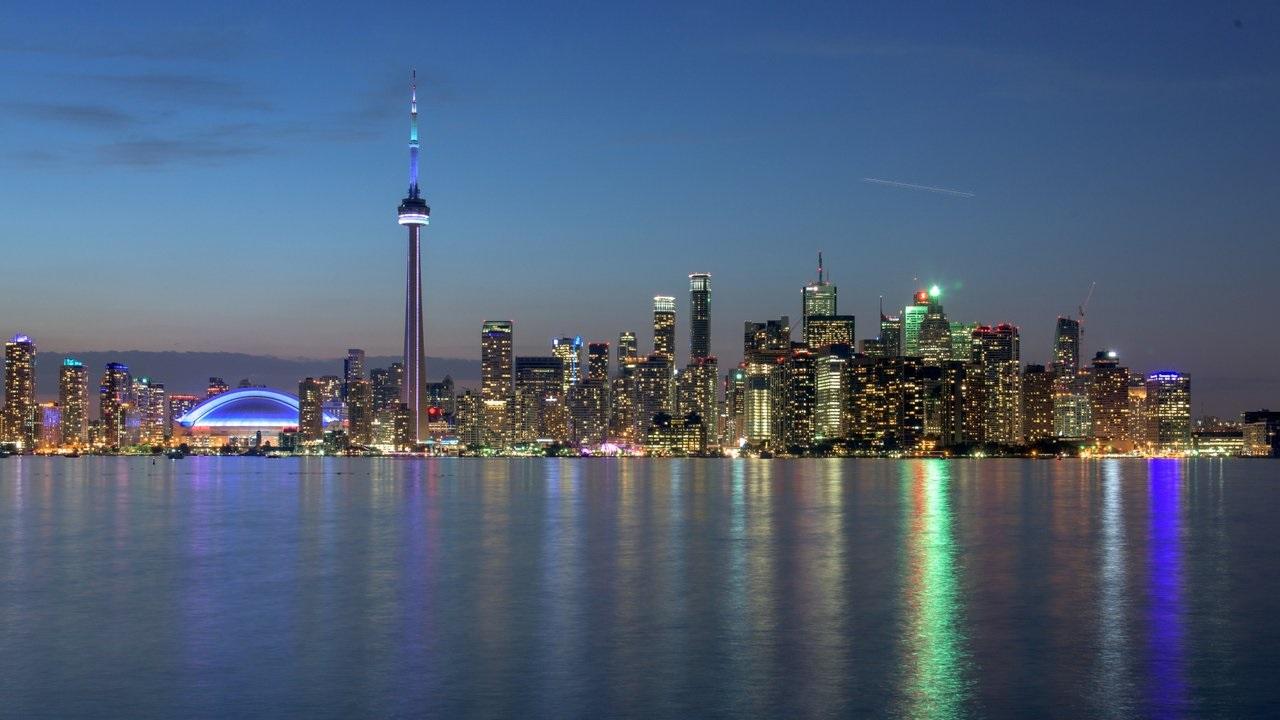
Weather and Seasonality
WINTER
Toronto wears all seasons well, with each season offering a variety of experiences suited to the city’s climate. Snuggle into your warmest jacket as winter in Toronto is packed with outdoor activities, albeit being chillier than all other seasons (-35° to 5°). Regardless of crisp temperatures, the skyline glitters brighter than ever and you’ll come across charming holiday markets more often than not. With colourful street festivals, vibrant skating rinks, and of course charming snowfalls, winter in Toronto is anything but boring. Plus, you’ll love the city’s convenient underground PATH, a 30-kilometer indoor network of stores, restaurants, spas and entertainment that runs beneath Toronto’s downtown core.
FALL
Toronto wears all seasons well, with each season offering a variety of experiences suited to the city’s climate. Shorter days may mean longer scarves, but it’s still a great time to fall in love with Toronto. Embrace the city’s autumn aesthetic by breaking out the flannel, ordering a pumpkin spice latte and heading to High Park or Trinity Bellwoods to snap the perfect Instagram shot of vibrant foliage. While autumn in Toronto brings cooler weather (0° to 15°), it also brings vintage markets, fresh craft beer and apple cider, sport season featuring the Maple Leafs and Toronto Raptors, and one of the most anticipated events, Nuit Blanche.
SUMMER
Toronto wears all seasons well, with each season offering a variety of experiences suited to the city’s climate. Summer in Toronto is warm (20° to 35°), festival-filled and brimming with lively patios. Bike over to Queens Quay and catch a ferry to the Toronto Islands, lounge at one of the city’s many beaches, or plan a picnic at Trinity Bellwoods Park, where all the locals hang out. Take a dip in a chic rooftop pool (Toronto has lots of those), or walk the edge of the CN Tower for the ultimate city views. From dusk ‘til dawn the city never sleeps during its warmer months. And every year, summer is sent off with a bang as the Toronto International Film Festival closes off the season.
SPRING
Toronto wears all seasons well, with each season offering a variety of experiences suited to the city’s climate. We hope you like cherry blossoms because springtime in Toronto is filled with these floral beauties. Look out for them in the city’s parks and neighbourhood streets. With temperatures slowly rising (5° to 20°), the snow has recently melted so you’ll notice lots of bikes zipping through the streets. Patios start to come alive again, sometimes with the help of heating lamps. But rest-assured that they’ll be full and lively regardless. It’s an inspiring time of year where festivals like Luminato, North by Northeast (NXNE), and Canadian Music Week draw in artists and crowds from all around.
Toronto wears all seasons well, with each season offering a variety of experiences suited to the city’s climate. Snuggle into your warmest jacket as winter in Toronto is packed with outdoor activities, albeit being chillier than all other seasons (-35° to 5°). Regardless of crisp temperatures, the skyline glitters brighter than ever and you’ll come across charming holiday markets more often than not. With colourful street festivals, vibrant skating rinks, and of course charming snowfalls, winter in Toronto is anything but boring. Plus, you’ll love the city’s convenient underground PATH, a 30-kilometer indoor network of stores, restaurants, spas and entertainment that runs beneath Toronto’s downtown core.
FALL
Toronto wears all seasons well, with each season offering a variety of experiences suited to the city’s climate. Shorter days may mean longer scarves, but it’s still a great time to fall in love with Toronto. Embrace the city’s autumn aesthetic by breaking out the flannel, ordering a pumpkin spice latte and heading to High Park or Trinity Bellwoods to snap the perfect Instagram shot of vibrant foliage. While autumn in Toronto brings cooler weather (0° to 15°), it also brings vintage markets, fresh craft beer and apple cider, sport season featuring the Maple Leafs and Toronto Raptors, and one of the most anticipated events, Nuit Blanche.
SUMMER
Toronto wears all seasons well, with each season offering a variety of experiences suited to the city’s climate. Summer in Toronto is warm (20° to 35°), festival-filled and brimming with lively patios. Bike over to Queens Quay and catch a ferry to the Toronto Islands, lounge at one of the city’s many beaches, or plan a picnic at Trinity Bellwoods Park, where all the locals hang out. Take a dip in a chic rooftop pool (Toronto has lots of those), or walk the edge of the CN Tower for the ultimate city views. From dusk ‘til dawn the city never sleeps during its warmer months. And every year, summer is sent off with a bang as the Toronto International Film Festival closes off the season.
SPRING
Toronto wears all seasons well, with each season offering a variety of experiences suited to the city’s climate. We hope you like cherry blossoms because springtime in Toronto is filled with these floral beauties. Look out for them in the city’s parks and neighbourhood streets. With temperatures slowly rising (5° to 20°), the snow has recently melted so you’ll notice lots of bikes zipping through the streets. Patios start to come alive again, sometimes with the help of heating lamps. But rest-assured that they’ll be full and lively regardless. It’s an inspiring time of year where festivals like Luminato, North by Northeast (NXNE), and Canadian Music Week draw in artists and crowds from all around.
| Month | High/Low °F | Seasonality |
|---|---|---|
| January | 28°/5° | Low |
| February | 29°/15° | Low |
| March | 39°/24° | Low |
| April | 52°/35° | Medium |
| May | 65°/45° | Medium |
| June | 73°/54° | High |
| July | 79°/60° | High |
| August | 77°/48° | High |
| September | 68°/50° | High |
| October | 56°/39° | High |
| November | 44°/31° | High |
| December | 33°/20° | Low |