Beijing Travel and Things to Do Guide
Not only the political and cultural hub of China, this capital city is a major international player for business and tourism. From its origins as Peking to the rise and fall of many power dynasties to its current role as the capital of the People's Republic of China, modern Beijing has been shaped by ancient traditions mixing with Western influences. Beijing's commitment to fostering its role as a meeting destination is evident in the city's incredible development over recent years. Beijing now boasts one of the world's finest airports – Beijing International Capital – that serves as one of the world's largest. Within the city, a vast subway network offers a convenient, affordable option for guests, while Beijing's connection to regional rail service gets visitors around and outside of the city.
Beijing's continuous improvement efforts are especially evident in its many options for conventions and meetings. The China National Convention Center, which served as the main press center and broadcasting location for the 2008 Olympic Games, is one of the most versatile venues in the country, open to international conferences, exhibitions, banquets, and more. The China International Exhibition Center serves as one of China's largest conference venues, while the Beijing Yanqi Lake International Convention & Exhibition Center offers a scenic, tranquil spot for a variety of group gatherings.
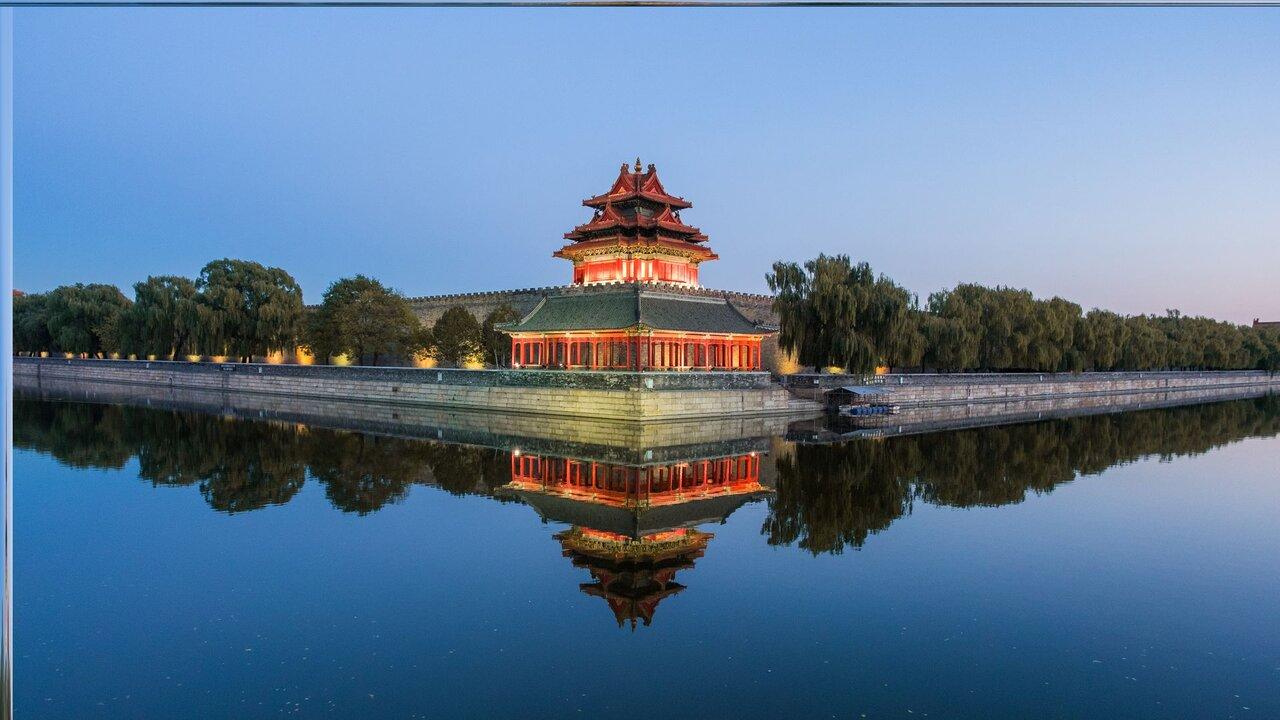
Beijing's long, rich heritage has left a lasting impact on both its citizens and its cityscape. Not surprisingly, the majority of Beijing's buildings carry some sort of historic significance. Groups can admire the splendor of the Forbidden City and the iconic Great Wall of China, as well as explore its many museums and green spaces.
Beijing's continuous improvement efforts are especially evident in its many options for conventions and meetings. The China National Convention Center, which served as the main press center and broadcasting location for the 2008 Olympic Games, is one of the most versatile venues in the country, open to international conferences, exhibitions, banquets, and more. The China International Exhibition Center serves as one of China's largest conference venues, while the Beijing Yanqi Lake International Convention & Exhibition Center offers a scenic, tranquil spot for a variety of group gatherings.
Beijing's long, rich heritage has left a lasting impact on both its citizens and its cityscape. Not surprisingly, the majority of Beijing's buildings carry some sort of historic significance. Groups can admire the splendor of the Forbidden City and the iconic Great Wall of China, as well as explore its many museums and green spaces.
Weather and Seasonality
Beijing's location near the coast gives the city a temperate climate with definite seasonal changes. Temperatures average 64°F annually with summers averaging 87°F and winters averaging 35°F. Annual average precipitation is 23 inches. Most rain falls during the summer months, particularly June and July during the East Asian Monsoon season. Spring is largely considered the best time to visit Beijing. Temperatures usually remain mild and pleasant. Plus, because monsoon season has not yet hit its peak, humidity levels in the spring remain comfortable.
| Month | High/Low °F | Seasonality |
|---|---|---|
| January | 1°/-8° | Low |
| February | 3°/-5° | Medium |
| March | 11°/- | Medium |
| April | 19°/8° | High |
| May | 25°/13° | High |
| June | 29°/18° | High |
| July | 30°/22° | Low |
| August | 29°/20° | Low |
| September | 25°/15° | High |
| October | 18°/8° | High |
| November | 9°/- | High |
| December | 2°/-5° | Medium |