
Paris Travel and Things to Do Guide
Paris sits at the center of European business and culture, making it a practical choice for international meetings and conferences. The city combines strong infrastructure with a wide range of venues, from large-scale convention centers to historic settings.
Paris has a large hotel inventory with thousands of rooms across luxury, upper upscale, and midscale categories. Major conference hotels offer extensive meeting space, including properties with over 2,000–4,000 square meters of event areas. The presence of high-capacity hotels near key venues supports large group movement and multi-day events.
Why Paris is Ideal for Event Planning
Paris offers a mature event ecosystem. Large convention venues, experienced suppliers, and a strong hospitality sector make execution predictable and scalable.
The city is well-structured, with key business districts such as La Défense and central areas connected by an efficient metro, RER, and bus network. Attendees can move between hotels, venues, and dining areas without complex logistics.
The climate supports year-round events. Spring and autumn are particularly suitable for conferences and outdoor networking. Summer works for large exhibitions, while winter suits indoor meetings and corporate gatherings.
Paris benefits from established event organizations and destination support services that assist with planning, logistics, and local coordination.
Its location in Western Europe provides strong regional and international access, making it convenient for attendees traveling from across Europe, North America, and parts of Asia.
Major Convention Centers
Palais des Congrès de Paris
Located near Porte Maillot, this venue is integrated with a major hotel and close to central business areas. It offers around 32,000 square meters of event space, including large exhibition halls, multiple auditoriums, and dozens of meeting rooms. It is suitable for congresses, corporate conventions, and exhibitions requiring breakout flexibility.
Strengths: central location, integrated hotel access, strong auditorium capacity.
Paris Expo Porte de Versailles
This is one of Europe’s largest exhibition centers, with over 220,000 square meters of flexible space. It includes multiple pavilions, auditoriums, and meeting rooms, along with outdoor exhibition areas.
Strengths: scale, modular layout, suitability for trade shows and large expos.
Accessibility and Connectivity
Paris is served by three airports:
Paris Charles de Gaulle Airport (CDG) – main international hub
Paris Orly Airport – domestic and European routes
Beauvais-Tillé Airport – low-cost carriers
The city connects to major global destinations through a wide range of airlines. Travel time from CDG to central Paris is typically 30–45 minutes via RER train, taxis, or airport shuttles. Public transport within the city is reliable, reducing the need for private transfers.
Headquarters Hotels and Accommodation
Paris offers a balanced mix of luxury and business hotels with strong meeting capabilities.
Key event-friendly hotels include:
Pullman Paris Montparnasse – Over 4,000 square meters of meeting space, suited for large conferences and corporate events.
Hyatt Regency Paris Étoile – Around 2,900 square meters of event space with modular meeting rooms, located near a major convention center.
Paris Marriott Rive Gauche Hotel & Conference Center – 55 meeting rooms, suitable for multi-track conferences.
The Westin Paris – Vendôme – Central location with about 2,000 square meters of meeting space, ideal for executive events.
Le Méridien Étoile – Large room inventory and over 2,300 square meters of event space, suitable for high-volume groups.
Airport hotels such as Hilton and Hyatt Regency near Charles de Gaulle provide additional meeting capacity for transit-focused events.
Unique Event Venues
Paris offers a range of non-traditional venues:
Palace of Versailles (near Paris) – Historic setting for high-end gala dinners and exclusive events.
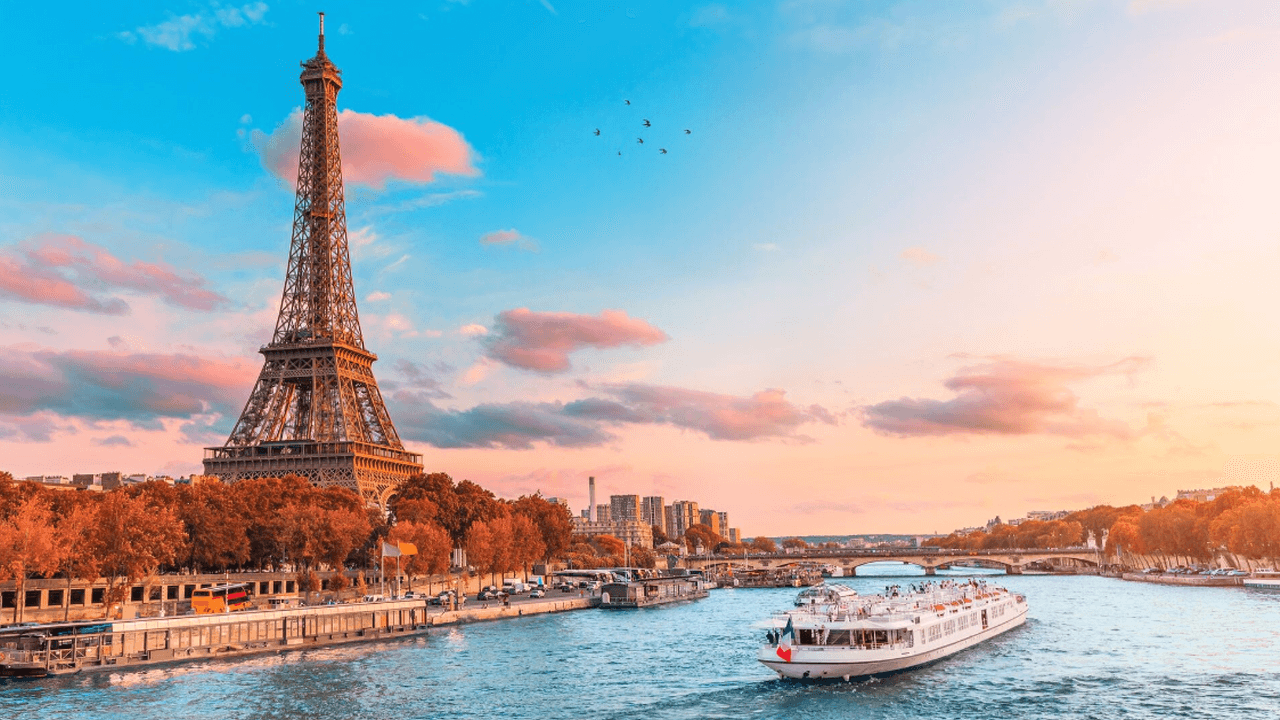
Seine River cruise venues – Suitable for networking events and private dinners with city views.
Museum spaces and courtyards – Ideal for brand events and cultural experiences.
Rooftop venues – Used for receptions and evening networking.
These venues work well for client-facing events, incentives, and executive gatherings.
Strategic Neighborhood Experiences
La Défense – Primary business district with modern venues and hotels.
Central Paris (1st–8th arrondissements) – Suitable for premium events, close to landmarks and dining.
Left Bank (Rive Gauche) – Academic and cultural environment, ideal for conferences and seminars.
Versailles area – Destination events and offsite programs.
These areas support different event formats, from formal conferences to informal networking.
Academic and Innovation Venues
Paris has a strong academic network, including universities and research institutions. These venues support conferences, seminars, and innovation-led events, particularly in sectors like technology, science, and design.
Event Planning Support Services
Paris provides access to experienced destination management companies and event service providers. Planners can source support for:
Venue selection and contracting
Logistics and transportation
Hybrid and technical production
Cultural programming and offsite experiences
This reduces operational risk, especially for international planners.
Climate and Best Time for Events
Spring (March–May): Suitable for conferences and outdoor networking
Summer (June–August): Good for large exhibitions, though peak tourist season
Autumn (September–November): Strong period for corporate events and trade shows
Winter (December–February): Best for indoor meetings and smaller gatherings
Conclusion: Paris as an Event Destination
Paris offers a combination of large-scale venues, strong hotel capacity, and reliable transport. It supports both high-volume exhibitions and smaller executive events. The city’s structure, connectivity, and venue variety make planning efficient, while its cultural setting adds value for attendees. For planners managing international events, Paris provides consistency in delivery and flexibility in event design.
Paris has a large hotel inventory with thousands of rooms across luxury, upper upscale, and midscale categories. Major conference hotels offer extensive meeting space, including properties with over 2,000–4,000 square meters of event areas. The presence of high-capacity hotels near key venues supports large group movement and multi-day events.
Why Paris is Ideal for Event Planning
Paris offers a mature event ecosystem. Large convention venues, experienced suppliers, and a strong hospitality sector make execution predictable and scalable.
The city is well-structured, with key business districts such as La Défense and central areas connected by an efficient metro, RER, and bus network. Attendees can move between hotels, venues, and dining areas without complex logistics.
The climate supports year-round events. Spring and autumn are particularly suitable for conferences and outdoor networking. Summer works for large exhibitions, while winter suits indoor meetings and corporate gatherings.
Paris benefits from established event organizations and destination support services that assist with planning, logistics, and local coordination.
Its location in Western Europe provides strong regional and international access, making it convenient for attendees traveling from across Europe, North America, and parts of Asia.
Major Convention Centers
Palais des Congrès de Paris
Located near Porte Maillot, this venue is integrated with a major hotel and close to central business areas. It offers around 32,000 square meters of event space, including large exhibition halls, multiple auditoriums, and dozens of meeting rooms. It is suitable for congresses, corporate conventions, and exhibitions requiring breakout flexibility.
Strengths: central location, integrated hotel access, strong auditorium capacity.
Paris Expo Porte de Versailles
This is one of Europe’s largest exhibition centers, with over 220,000 square meters of flexible space. It includes multiple pavilions, auditoriums, and meeting rooms, along with outdoor exhibition areas.
Strengths: scale, modular layout, suitability for trade shows and large expos.
Accessibility and Connectivity
Paris is served by three airports:
Paris Charles de Gaulle Airport (CDG) – main international hub
Paris Orly Airport – domestic and European routes
Beauvais-Tillé Airport – low-cost carriers
The city connects to major global destinations through a wide range of airlines. Travel time from CDG to central Paris is typically 30–45 minutes via RER train, taxis, or airport shuttles. Public transport within the city is reliable, reducing the need for private transfers.
Headquarters Hotels and Accommodation
Paris offers a balanced mix of luxury and business hotels with strong meeting capabilities.
Key event-friendly hotels include:
Pullman Paris Montparnasse – Over 4,000 square meters of meeting space, suited for large conferences and corporate events.
Hyatt Regency Paris Étoile – Around 2,900 square meters of event space with modular meeting rooms, located near a major convention center.
Paris Marriott Rive Gauche Hotel & Conference Center – 55 meeting rooms, suitable for multi-track conferences.
The Westin Paris – Vendôme – Central location with about 2,000 square meters of meeting space, ideal for executive events.
Le Méridien Étoile – Large room inventory and over 2,300 square meters of event space, suitable for high-volume groups.
Airport hotels such as Hilton and Hyatt Regency near Charles de Gaulle provide additional meeting capacity for transit-focused events.
Unique Event Venues
Paris offers a range of non-traditional venues:
Palace of Versailles (near Paris) – Historic setting for high-end gala dinners and exclusive events.
Seine River cruise venues – Suitable for networking events and private dinners with city views.
Museum spaces and courtyards – Ideal for brand events and cultural experiences.
Rooftop venues – Used for receptions and evening networking.
These venues work well for client-facing events, incentives, and executive gatherings.
Strategic Neighborhood Experiences
La Défense – Primary business district with modern venues and hotels.
Central Paris (1st–8th arrondissements) – Suitable for premium events, close to landmarks and dining.
Left Bank (Rive Gauche) – Academic and cultural environment, ideal for conferences and seminars.
Versailles area – Destination events and offsite programs.
These areas support different event formats, from formal conferences to informal networking.
Academic and Innovation Venues
Paris has a strong academic network, including universities and research institutions. These venues support conferences, seminars, and innovation-led events, particularly in sectors like technology, science, and design.
Event Planning Support Services
Paris provides access to experienced destination management companies and event service providers. Planners can source support for:
Venue selection and contracting
Logistics and transportation
Hybrid and technical production
Cultural programming and offsite experiences
This reduces operational risk, especially for international planners.
Climate and Best Time for Events
Spring (March–May): Suitable for conferences and outdoor networking
Summer (June–August): Good for large exhibitions, though peak tourist season
Autumn (September–November): Strong period for corporate events and trade shows
Winter (December–February): Best for indoor meetings and smaller gatherings
Conclusion: Paris as an Event Destination
Paris offers a combination of large-scale venues, strong hotel capacity, and reliable transport. It supports both high-volume exhibitions and smaller executive events. The city’s structure, connectivity, and venue variety make planning efficient, while its cultural setting adds value for attendees. For planners managing international events, Paris provides consistency in delivery and flexibility in event design.
Weather and Seasonality
Paris features an oceanic climate that rarely sees extreme temperatures. Summers are warm, with temperatures averaging between 24°C and 12°C. Winter temperatures average between 9°C and 1°C.Rainfall in Paris is low, and snowfall is even rarer. Average yearly precipitation is 642 millimeters. Thanks to its consistent climate, any month is a great one to be in Paris. Many guests find springtime and fall great seasons for enjoying Paris' outdoors to the fullest.
| Month | High/Low °F | Seasonality |
|---|---|---|
| January | 6°/1° | - |
| February | 7°/1° | - |
| March | 10°/3° | - |
| April | 13°/5° | - |
| May | 17°/9° | - |
| June | 21°/12° | - |
| July | 23°/14° | - |
| August | 23°/13° | - |
| September | 20°/11° | - |
| October | 15°/7° | - |
| November | 9°/3° | - |
| December | 7°/2° | - |