
Berlin Travel and Things to Do Guide
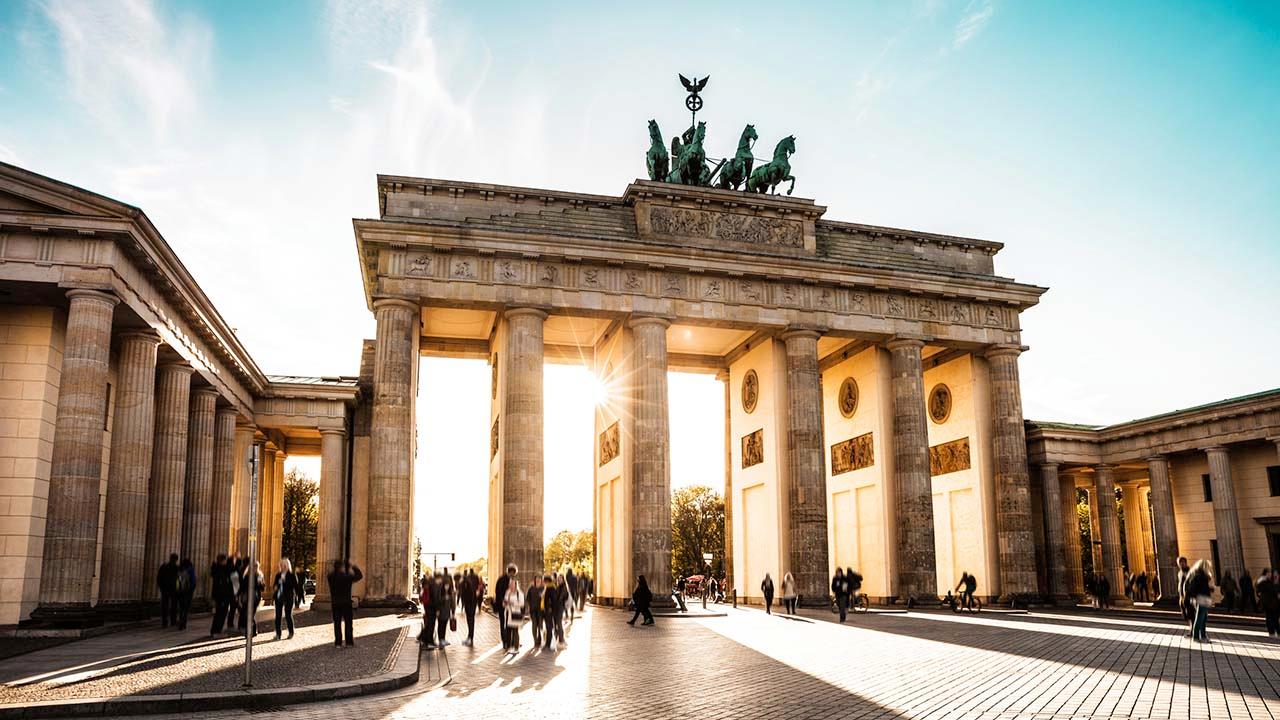
Berlin is Germany's capital and its largest convention destination, pairing government and business gravity with art, culture, and startup energy. Sitting in the heart of Europe, it's easy to reach and easy to sell to attendees, with landmarks like the Brandenburg Gate anchoring a compact, walkable center.
The vibe sets Berlin apart. Museums, galleries, and independent restaurants sit near major exhibition grounds, so business days can end in neighborhoods that feel genuinely local. The climate is temperate and comfortable for most of the meeting calendar.
Berlin backs that energy with amazing meeting infrastructure: purpose-built convention halls, a deep bench of conference hotels, and modern transit connecting them. Whether you need a 5,000-seat plenary or an intimate boardroom, there's event space in Berlin to match.
Why Berlin is Ideal for Event Planning
Berlin rewards planners who care about logistics. The core is dense and walkable, so attendees move between hotels, meeting rooms, and dinner without long transfers. Landmark venues and headquarters hotels cluster around Potsdamer Platz, Pariser Platz, and the City West.
Air access is via Berlin Brandenburg Airport (BER), the region's primary gateway, with rail and motorway links connecting the city to the rest of Germany and Europe. Once on the ground, an extensive S-Bahn, U-Bahn, bus, and taxi network makes getting around simple.
The hospitality base is broad and event-ready, with global brands, independent hotels, and unique venues that scale from small workshops to citywide congresses.
Major Convention Centers
CityCube Berlin
CityCube Berlin is the city's flagship purpose-built congress and exhibition venue, sitting beside the southern entrance of the Berlin exhibition grounds.
• 236,806 sq. ft. of total meeting space across 50 meeting rooms
• Largest hall seats up to 5,000; total seating capacity up to 11,000
• Portable walls and flexible layouts adapt the space to almost any format
• AV capabilities, video conferencing, and onsite catering built in
• Served by bus, subway, taxi, train, and airport shuttle
It handles fairs, conventions, congresses, and large meetings with ease. The combination of scale, flexibility, and transit access makes it a reliable home base for major events.
Accessibility and Connectivity
Berlin Brandenburg Airport (BER) is the region's primary airport and the main entry point for international and domestic attendees. Most core venues sit within a short drive.
• S-Bahn elevated rail for fast cross-city trips
• U-Bahn underground trains through the center
• Extensive public bus network
• Widely available taxis
Rail and motorway connections extend Berlin's reach across Germany and Europe.
Headquarters Hotels and Accommodation
Berlin offers a deep pool of event-friendly hotels, many with large ballrooms and dedicated conference floors.
• InterContinental Berlin - 558 rooms and 55 event spaces, including one of Berlin's largest pillar-free ballrooms, near the Tiergarten and Brandenburg Gate
• JW Marriott Hotel Berlin - 505 rooms with meeting capacity up to 5,500 across 48 flexible rooms at Potsdamer Platz
• Hotel Berlin, Berlin (a member of Radisson Individuals) - 701 rooms and 46 conference rooms in the city center
• Radisson Collection Hotel, Berlin - 427 rooms with roughly 29,000 sq. ft. of meeting space
• Berlin Marriott Hotel - 379 rooms with a divisible ballroom for up to 600 guests at Potsdamer Platz
• Hotel Palace Berlin - event space for up to 900 guests in the City West, between Ku'damm and the Zoological Garden
For fully self-contained events, the Estrel campus combines a large hotel with its own congress center, keeping accommodation and meeting space under one roof.
Unique Event Venues
For something distinctly Berlin, the city's alternative venues turn an event into an experience.
• AXICA - a Frank Gehry-designed venue right at the Brandenburg Gate, for conventions, gala dinners, and receptions up to 600 guests
• Spreespeicher - a riverside space at Berlin's East Port with capacity up to 1,500 and outdoor terraces on the Spree
• Kraftwerk Berlin - a former power plant with dramatic industrial scale and standing capacity up to 2,300
• Palais Kulturbrauerei - a characterful venue in a historic brewery complex with a rooftop terrace option
• Das Loft - a waterside loft on the Havel for corporate events and celebrations
• Hard Rock Cafe - Berlin - a lively Ku'damm space for receptions and social programming
These venues give attendees a sense of place and make networking as memorable as the sessions.
Dining and Culinary Experiences
Berlin's food scene is diverse and built for groups, from classic German fare to international restaurants across every neighborhood.
• Hotel and venue restaurants for private dinners and hosted receptions
• Neighborhood dining clusters around Potsdamer Platz and the City West for offsite meals
Entertainment and Outdoor Activities
Berlin gives attendees plenty to do once the sessions wrap.
• Landmark sightseeing around the Brandenburg Gate and central Berlin
• Berlin's celebrated museum landscape for cultural add-ons
• Riverside walks and boat outings along the Spree
• Large parks and green spaces for team activities and downtime
Building free time into the agenda lets attendees explore beyond the convention floor.
Event Planning Support Services
Berlin's venues and hotels come with the support planners rely on to execute cleanly.
• Onsite catering across convention centers, hotels, and unique venues
• AV and video conferencing at major venues like CityCube Berlin
• Business services and onsite security at flagship properties
• Airport shuttle, bus, subway, taxi, and train access to move groups efficiently
Together these services support everything from intimate workshops to large-scale congresses.
Climate and Best Time for Events
• Spring (March - May): mild and cool, warming into pleasant conditions by late spring - good for conferences and shoulder-season pricing
• Summer (June - August): the most popular window, with pleasant daytime temperatures ideal for outdoor receptions and al fresco dining
• Autumn (September - November): mild early, cooling through November - comfortable for indoor congresses and city programming
• Winter (December - February): cold, with snowfall possible from December through March - best for indoor meetings and year-end events
Conclusion: Berlin as an Event Destination
Berlin brings together the pieces planners look for: purpose-built convention halls, a deep roster of conference hotels, distinctive venues, and transit that keeps it all connected. Add a genuine sense of place and a comfortable meeting-season climate, and it's a destination attendees are glad to travel to.
The vibe sets Berlin apart. Museums, galleries, and independent restaurants sit near major exhibition grounds, so business days can end in neighborhoods that feel genuinely local. The climate is temperate and comfortable for most of the meeting calendar.
Berlin backs that energy with amazing meeting infrastructure: purpose-built convention halls, a deep bench of conference hotels, and modern transit connecting them. Whether you need a 5,000-seat plenary or an intimate boardroom, there's event space in Berlin to match.
Why Berlin is Ideal for Event Planning
Berlin rewards planners who care about logistics. The core is dense and walkable, so attendees move between hotels, meeting rooms, and dinner without long transfers. Landmark venues and headquarters hotels cluster around Potsdamer Platz, Pariser Platz, and the City West.
Air access is via Berlin Brandenburg Airport (BER), the region's primary gateway, with rail and motorway links connecting the city to the rest of Germany and Europe. Once on the ground, an extensive S-Bahn, U-Bahn, bus, and taxi network makes getting around simple.
The hospitality base is broad and event-ready, with global brands, independent hotels, and unique venues that scale from small workshops to citywide congresses.
Major Convention Centers
CityCube Berlin
CityCube Berlin is the city's flagship purpose-built congress and exhibition venue, sitting beside the southern entrance of the Berlin exhibition grounds.
• 236,806 sq. ft. of total meeting space across 50 meeting rooms
• Largest hall seats up to 5,000; total seating capacity up to 11,000
• Portable walls and flexible layouts adapt the space to almost any format
• AV capabilities, video conferencing, and onsite catering built in
• Served by bus, subway, taxi, train, and airport shuttle
It handles fairs, conventions, congresses, and large meetings with ease. The combination of scale, flexibility, and transit access makes it a reliable home base for major events.
Accessibility and Connectivity
Berlin Brandenburg Airport (BER) is the region's primary airport and the main entry point for international and domestic attendees. Most core venues sit within a short drive.
• S-Bahn elevated rail for fast cross-city trips
• U-Bahn underground trains through the center
• Extensive public bus network
• Widely available taxis
Rail and motorway connections extend Berlin's reach across Germany and Europe.
Headquarters Hotels and Accommodation
Berlin offers a deep pool of event-friendly hotels, many with large ballrooms and dedicated conference floors.
• InterContinental Berlin - 558 rooms and 55 event spaces, including one of Berlin's largest pillar-free ballrooms, near the Tiergarten and Brandenburg Gate
• JW Marriott Hotel Berlin - 505 rooms with meeting capacity up to 5,500 across 48 flexible rooms at Potsdamer Platz
• Hotel Berlin, Berlin (a member of Radisson Individuals) - 701 rooms and 46 conference rooms in the city center
• Radisson Collection Hotel, Berlin - 427 rooms with roughly 29,000 sq. ft. of meeting space
• Berlin Marriott Hotel - 379 rooms with a divisible ballroom for up to 600 guests at Potsdamer Platz
• Hotel Palace Berlin - event space for up to 900 guests in the City West, between Ku'damm and the Zoological Garden
For fully self-contained events, the Estrel campus combines a large hotel with its own congress center, keeping accommodation and meeting space under one roof.
Unique Event Venues
For something distinctly Berlin, the city's alternative venues turn an event into an experience.
• AXICA - a Frank Gehry-designed venue right at the Brandenburg Gate, for conventions, gala dinners, and receptions up to 600 guests
• Spreespeicher - a riverside space at Berlin's East Port with capacity up to 1,500 and outdoor terraces on the Spree
• Kraftwerk Berlin - a former power plant with dramatic industrial scale and standing capacity up to 2,300
• Palais Kulturbrauerei - a characterful venue in a historic brewery complex with a rooftop terrace option
• Das Loft - a waterside loft on the Havel for corporate events and celebrations
• Hard Rock Cafe - Berlin - a lively Ku'damm space for receptions and social programming
These venues give attendees a sense of place and make networking as memorable as the sessions.
Dining and Culinary Experiences
Berlin's food scene is diverse and built for groups, from classic German fare to international restaurants across every neighborhood.
• Hotel and venue restaurants for private dinners and hosted receptions
• Neighborhood dining clusters around Potsdamer Platz and the City West for offsite meals
Entertainment and Outdoor Activities
Berlin gives attendees plenty to do once the sessions wrap.
• Landmark sightseeing around the Brandenburg Gate and central Berlin
• Berlin's celebrated museum landscape for cultural add-ons
• Riverside walks and boat outings along the Spree
• Large parks and green spaces for team activities and downtime
Building free time into the agenda lets attendees explore beyond the convention floor.
Event Planning Support Services
Berlin's venues and hotels come with the support planners rely on to execute cleanly.
• Onsite catering across convention centers, hotels, and unique venues
• AV and video conferencing at major venues like CityCube Berlin
• Business services and onsite security at flagship properties
• Airport shuttle, bus, subway, taxi, and train access to move groups efficiently
Together these services support everything from intimate workshops to large-scale congresses.
Climate and Best Time for Events
• Spring (March - May): mild and cool, warming into pleasant conditions by late spring - good for conferences and shoulder-season pricing
• Summer (June - August): the most popular window, with pleasant daytime temperatures ideal for outdoor receptions and al fresco dining
• Autumn (September - November): mild early, cooling through November - comfortable for indoor congresses and city programming
• Winter (December - February): cold, with snowfall possible from December through March - best for indoor meetings and year-end events
Conclusion: Berlin as an Event Destination
Berlin brings together the pieces planners look for: purpose-built convention halls, a deep roster of conference hotels, distinctive venues, and transit that keeps it all connected. Add a genuine sense of place and a comfortable meeting-season climate, and it's a destination attendees are glad to travel to.
Weather and Seasonality
Berlin has a temperate climate with high variability between seasons. Summer temperatures can rise above 30°C, while average daytime temperatures between May and September are usually very pleasant. In winter, it can be cold with temperatures as low as -10°C. During the transitional months of autumn and spring, temperatures are mild and cool. The high-rise buildings of Berlin's city create a microclimate that keeps temperatures approximately 4°C higher than in surrounding areas.
Average annual precipitation in Berlin is 570 millimeters with moderate rainfall throughout the year. Snowfall typically occurs from December to March.
One of Europe's most popular tourist destinations, Berlin attracts visitors year-round. However, the very best time to visit is during summer when visitors can dine al fresco or enjoy the sprawling green space, aromatic gardens, and bustling thoroughfares of this modern metropolis.
Average annual precipitation in Berlin is 570 millimeters with moderate rainfall throughout the year. Snowfall typically occurs from December to March.
One of Europe's most popular tourist destinations, Berlin attracts visitors year-round. However, the very best time to visit is during summer when visitors can dine al fresco or enjoy the sprawling green space, aromatic gardens, and bustling thoroughfares of this modern metropolis.
| Month | High/Low °F | Seasonality |
|---|---|---|
| January | 1°/-3° | Low |
| February | 3°/-2° | Low |
| March | 8°/- | Low |
| April | 12°/2° | Medium |
| May | 18°/7° | High |
| June | 21°/11° | High |
| July | 22°/13° | High |
| August | 22°/12° | High |
| September | 18°/10° | High |
| October | 13°/5° | Medium |
| November | 7°/1° | Low |
| December | 3°/-1° | Low |