
Incheon Travel and Things to Do Guide
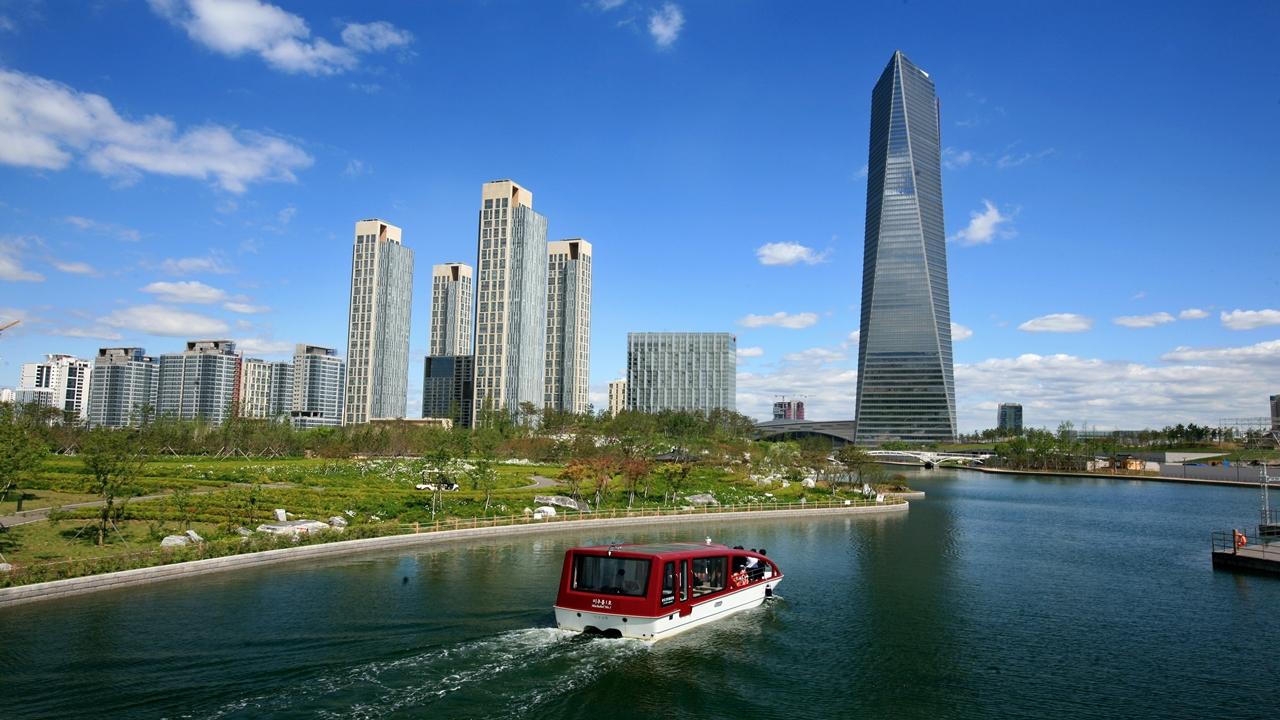
Located 36 km west of Seoul, Incheon is the third-largest city in South Korea. As a rising economic hub in the Korean Peninsula, Incheon is an expanding metropolis and industrial port. Incheon Free Economic Zone (IFEZ) – comprising of three regions Songdo, Yeongjong and Cheongna – is rapidly emerging as a global business hub with world-class academic institutions, cutting-edge industries, medical services and eco-friendly parks. In 2016, Incheon became the third most populous city in the country after the capital city, Seoul and the port city, Busan. The vibrant areas of Chinatown and Open Port are the city's most tourist-friendly areas to explore and easily accessible from Seoul by subway.
Weather and Seasonality
Incheon's temperate continental climate has four distinct seasons like the rest of Korea. Summers are typically hot and humid, while winters are frigid and see frequent snowfalls. Temperatures average 52°F annually, with summers averaging 77°F and winters averaging -37°F. Annual average precipitation is 54 cm with most rain falling in summer months, particularly June and July during the East Asian Monsoon season. Although Incheon is a year-round destination, fall is widely considered the best time to visit. From September to November, guests can enjoy the mild temperatures and a majestic display of colorful foliage that adorns the landscape.
| Month | High/Low °F | Seasonality |
|---|---|---|
| January | 35°/21° | Medium |
| February | 39°/25° | Medium |
| March | 49°/34° | Medium |
| April | 61°/45° | High |
| May | 70°/55° | High |
| June | 77°/63° | High |
| July | 82°/71° | Medium |
| August | 84°/72° | High |
| September | 78°/63° | High |
| October | 67°/51° | High |
| November | 53°/38° | Medium |
| December | 40°/26° | Medium |