Getting Around Seoul
Seoul Airport Information
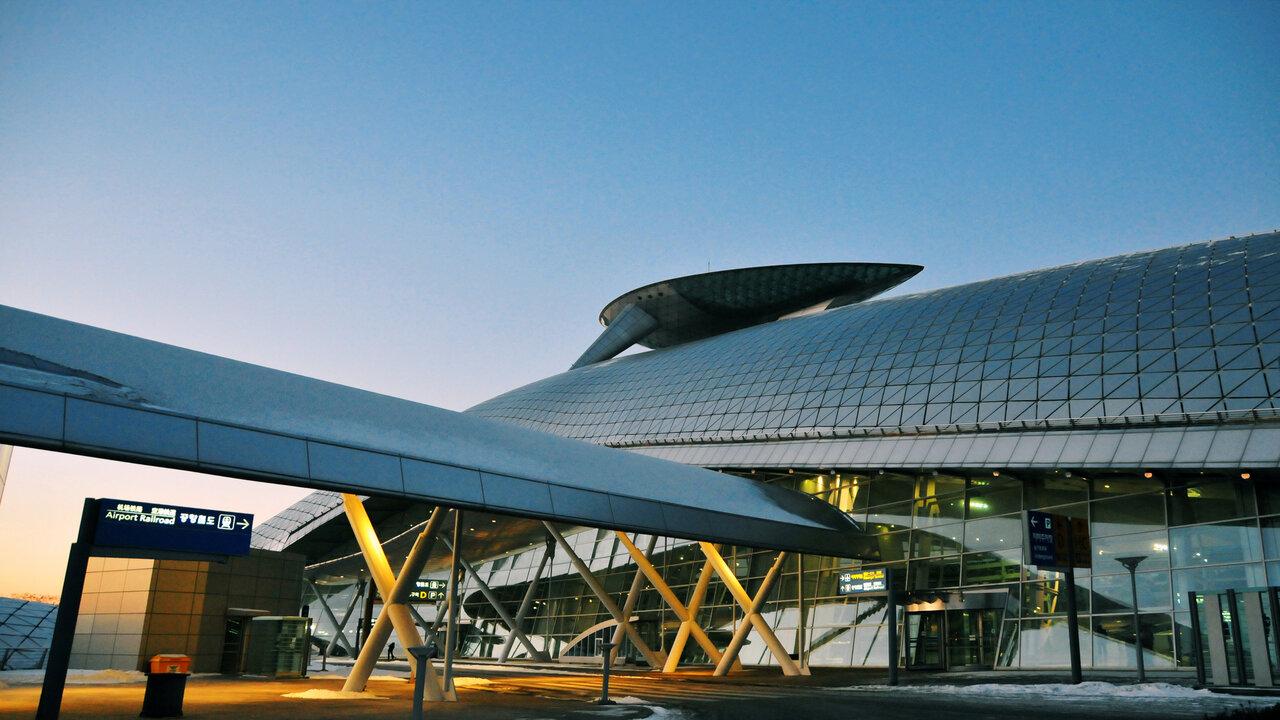
Seoul is mainly served by two airports: Incheon International Airport (ICN) and Gimpo International Airport (GMP). Incheon is the big global hub where most international flights land, while Gimpo is closer to the city and often used for domestic or short international routes. For event planners, this means you can match the airport to the type of event and where your guests are flying from, and easily guide them into the city using trains, buses, or taxis.
Incheon International Airport (ICN) is about 45–60 minutes from central Seoul by train, depending on the service.
The AREX Express Train runs non-stop between Incheon and Seoul Station in around 45 minutes, making it one of the fastest options.
The AREX All-Stop Train is cheaper, takes about an hour, and also connects via Gimpo Airport.
Airport limousine buses connect Incheon and Gimpo with major hotel and business districts like Myeongdong, Gangnam, and City Hall, which is helpful for groups.
Gimpo Airport is closer to downtown Seoul and can be reached by all-stop AREX trains in about 20 minutes to Seoul Station.
Both airports offer plenty of dining, shopping, lounges, and nearby airport hotels, useful for late arrivals, early flights, or conference guests.
Taxis and private transfers are widely available at both airports, and can be a good option for VIPs or teams with heavy equipment.
Seoul Train Information
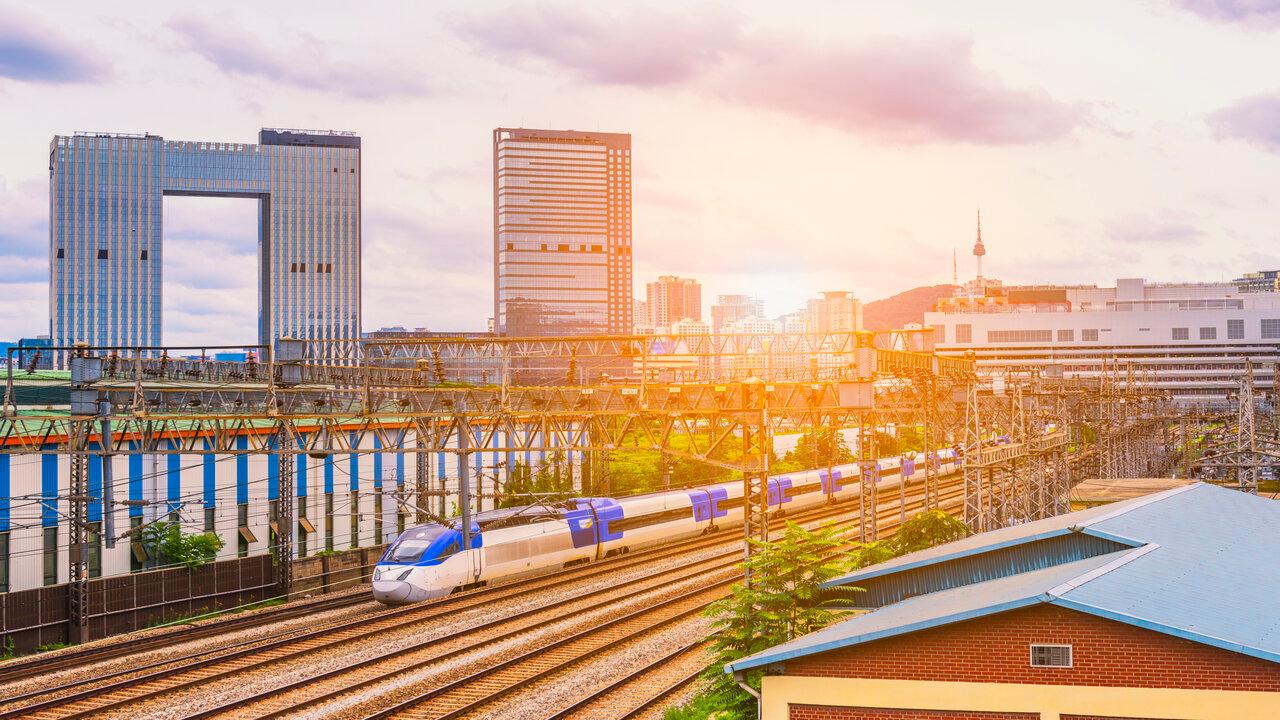
If you are planning events in different Korean cities or expecting guests to travel onward, Seoul’s train network is a big advantage. High-speed KTX trains and other services connect Seoul with major cities like Busan, Daegu, and Gwangju, letting people travel between cities in just a few hours for meetings, conferences, or incentive trips. Inside the city, the subway links smoothly with these main train stations, so it is easy to move between hotels, venues, and trains.
The main intercity hubs are Seoul Station, Yongsan Station, Cheongnyangni Station, and Suseo Station.
KTX high-speed trains from Seoul Station and Yongsan Station connect to cities across South Korea, often at speeds up to around 300 km/h.
Suseo Station in Gangnam serves SRT high-speed trains, which can be convenient if your event or hotel is in southern Seoul.
Tickets for KTX and other trains can be bought online through Korail, at stations, or at vending machines, which is useful for helping guests book in advance.
Many major train stations connect directly to the subway, making transfers between local transport and intercity trains simple for attendees.
Stations like Seoul Station have plenty of cafes, convenience stores, and luggage services, useful as waiting or meetup points for groups.
Seoul Public Information
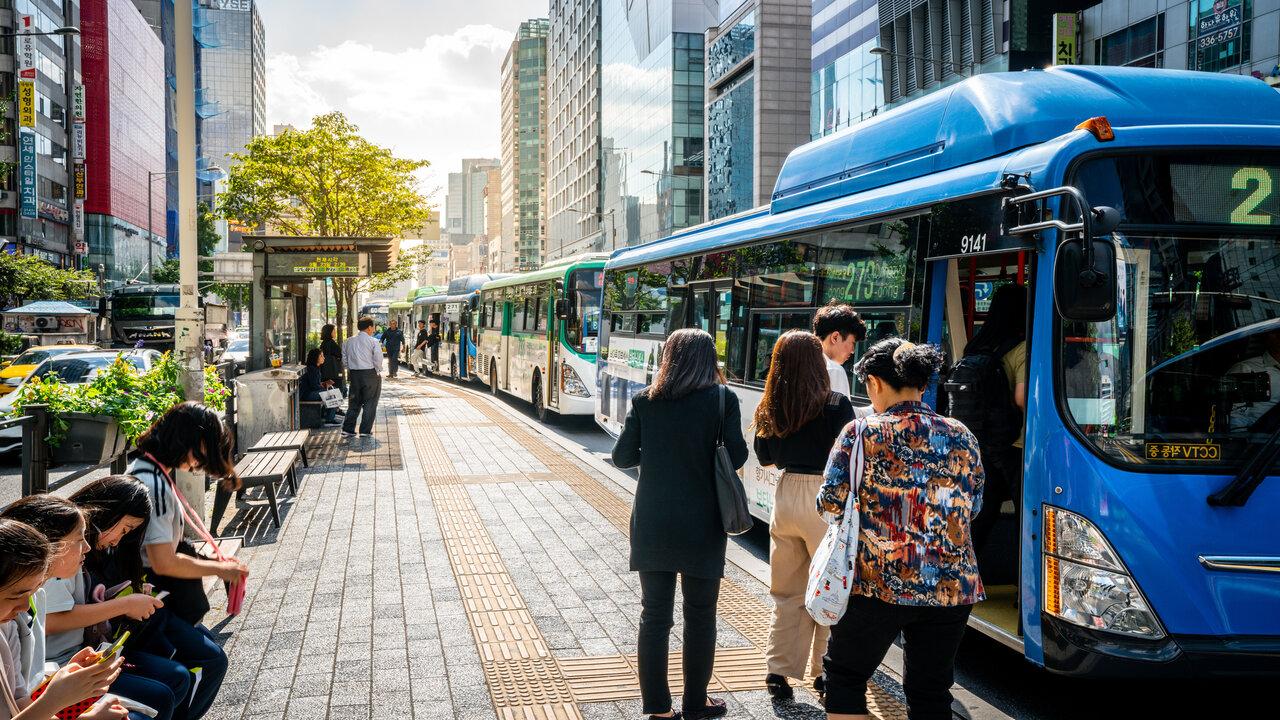
Seoul’s public transport is one of the easiest ways to move guests and teams around the city once they arrive. The subway, buses, and even city bikes are well-organized, affordable, and foreigner-friendly, which helps keep event logistics smooth and travel costs low. Using a single transport card, people can tap in and out of most services without worrying about buying separate tickets each time.
The Seoul Metro has over 20 lines that cover almost all major business and tourist areas, with trains coming every few minutes during the day.
A T-Money card (or similar transport card) can be used on subways, buses, and some taxis, making it a useful recommendation for event attendees.
Basic subway fares start around the mid-₩1,000 range when using a card, and increase slightly with distance, which keeps daily travel affordable.
In 2025, Seoul expanded the Climate Card system, offering unlimited rides on subways, city buses, and public bikes, which is helpful for longer events or stays.
Many stations and buses have English signs and announcements, making navigation easier for international travelers.
Public transport connects well to major hotel districts, shopping areas, and popular event zones such as Gangnam, Jongno, and Hongdae.
For late-night moves, taxis and ride services are widely available and can be combined with public transport planning for safe returns after evening functions.