Getting Around Bangkok
Find the best way to access the city from anywhere.
Bangkok Airport information
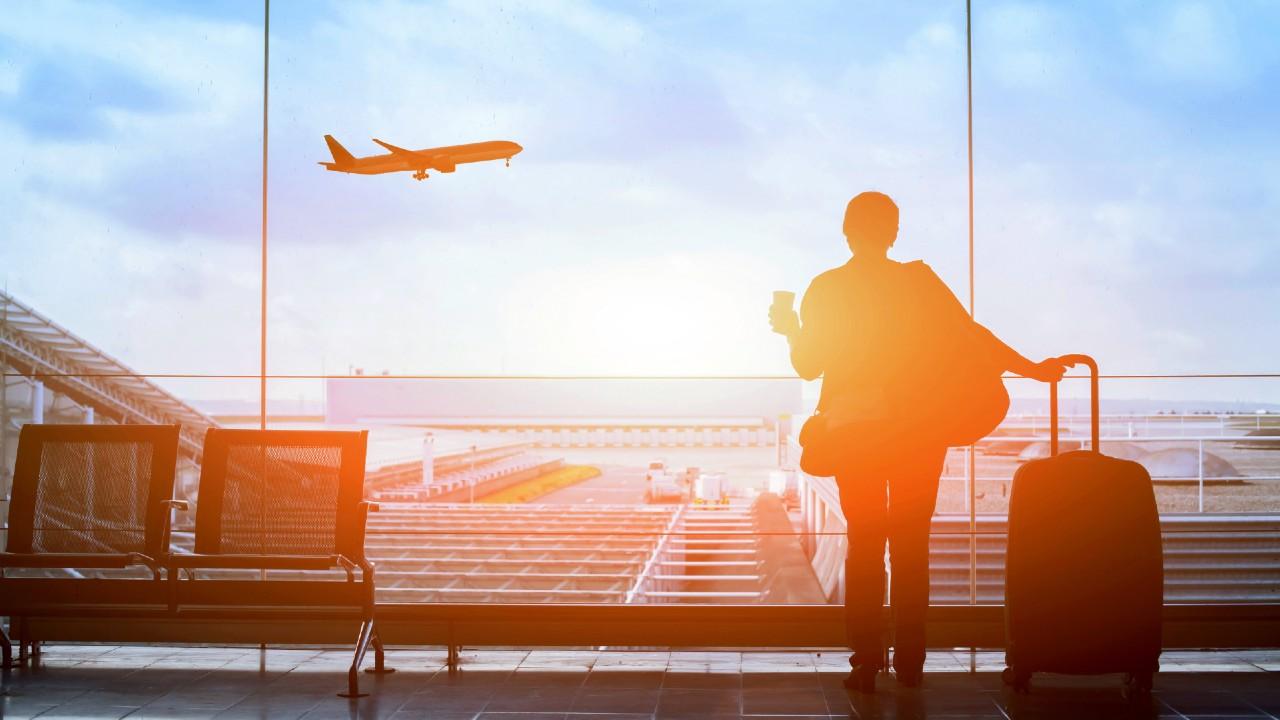
Bangkok has two main airports, and both are quite friendly for international visitors and business travelers. Suvarnabhumi Airport (BKK) is the big, modern hub that handles most long‑haul international flights, while Don Mueang Airport (DMK) is popular with low‑cost airlines and many regional or domestic routes. For event planners, this is helpful because you can choose the airport that best matches your group’s airlines and budget. Traveling from either airport into the city is straightforward, with trains, buses, taxis, and ride‑hailing apps making it easy to reach hotels and event venues across Bangkok.
Main airports:
Suvarnabhumi Airport (BKK) – primary international hub, east of the city.
Don Mueang Airport (DMK) – secondary airport for many low‑cost airlines.
Fast city connection from BKK: Airport Rail Link to Phaya Thai and Makkasan, about 30 minutes, running roughly 6:00 a.m. to midnight.
From DMK: Airport buses (A1–A4) link to key BTS and city areas, plus taxis and ride‑hailing are widely available.
Road transfers: Metered taxis, airport limousines, private transfers, and Grab operate at both airports; these are convenient if guests have luggage or arrive late at night.
Airport‑to‑airport transfer: Free shuttle bus service connects BKK and DMK for passengers with valid same‑day or next‑day flight tickets, useful for multi‑leg event or incentive itineraries.
Planner tip: When sending invites, clearly mention which airport to use, suggested transfers (e.g., Airport Rail Link + BTS), and approximate travel time to the main event hotel during peak hours.
Main airports:
Suvarnabhumi Airport (BKK) – primary international hub, east of the city.
Don Mueang Airport (DMK) – secondary airport for many low‑cost airlines.
Fast city connection from BKK: Airport Rail Link to Phaya Thai and Makkasan, about 30 minutes, running roughly 6:00 a.m. to midnight.
From DMK: Airport buses (A1–A4) link to key BTS and city areas, plus taxis and ride‑hailing are widely available.
Road transfers: Metered taxis, airport limousines, private transfers, and Grab operate at both airports; these are convenient if guests have luggage or arrive late at night.
Airport‑to‑airport transfer: Free shuttle bus service connects BKK and DMK for passengers with valid same‑day or next‑day flight tickets, useful for multi‑leg event or incentive itineraries.
Planner tip: When sending invites, clearly mention which airport to use, suggested transfers (e.g., Airport Rail Link + BTS), and approximate travel time to the main event hotel during peak hours.

Bangkok Train Information
Bangkok’s train and metro network is one of the easiest ways to move around the city, especially for business trips and events. The city has several systems that connect with each other: the BTS Skytrain (elevated), MRT (underground), Airport Rail Link (ARL), and SRT commuter lines. Together, they help you avoid heavy traffic and reach major business districts like Sukhumvit, Silom, and Sathorn quickly, which is very useful for keeping meeting schedules on track.
Key systems:
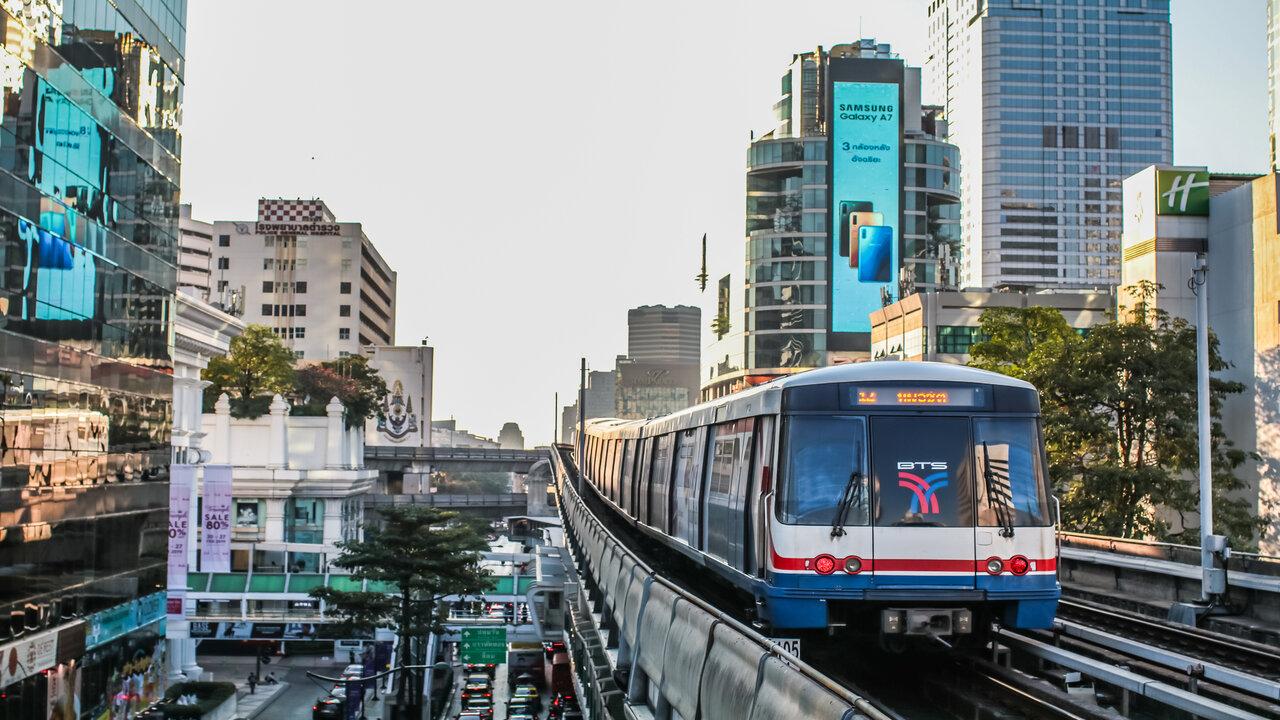
BTS Skytrain – main elevated train, great for Sukhumvit, Silom, and riverside access via Saphan Taksin.
MRT Metro – underground system reaching business areas, Chinatown, and the old town, with links to the central Hua Lamphong station.
Airport Rail Link – connects Suvarnabhumi Airport to central Bangkok at Phaya Thai and Makkasan, with BTS/MRT connections.
SRT Red Line – suburban commuter rail linking outer areas to central Bangkok, helpful for events or factories outside the core.
Operating hours: Most urban rail lines run from around 6:00 a.m. to midnight, with trains every few minutes at peak times.
Interchange hotspots for meetings:
Asok / Sukhumvit (BTS + MRT) – popular for hotels, offices, and malls.
Silom / Sala Daeng (BTS + MRT) – strong choice for corporate events.
Bang Sue / Krung Thep Aphiwat – major rail hub for SRT and MRT, increasingly important for regional connections.
Planner tip: Choose hotels within a short walk of a BTS or MRT station so attendees can move easily between airport, hotel, and event venue without relying only on road traffic.
Key systems:
BTS Skytrain – main elevated train, great for Sukhumvit, Silom, and riverside access via Saphan Taksin.
MRT Metro – underground system reaching business areas, Chinatown, and the old town, with links to the central Hua Lamphong station.
Airport Rail Link – connects Suvarnabhumi Airport to central Bangkok at Phaya Thai and Makkasan, with BTS/MRT connections.
SRT Red Line – suburban commuter rail linking outer areas to central Bangkok, helpful for events or factories outside the core.
Operating hours: Most urban rail lines run from around 6:00 a.m. to midnight, with trains every few minutes at peak times.
Interchange hotspots for meetings:
Asok / Sukhumvit (BTS + MRT) – popular for hotels, offices, and malls.
Silom / Sala Daeng (BTS + MRT) – strong choice for corporate events.
Bang Sue / Krung Thep Aphiwat – major rail hub for SRT and MRT, increasingly important for regional connections.
Planner tip: Choose hotels within a short walk of a BTS or MRT station so attendees can move easily between airport, hotel, and event venue without relying only on road traffic.
Bangkok Public Information
Bangkok is a large, lively city with many choices for getting around, which is great for both solo travelers and big event groups. Besides trains, you will find buses, taxis, tuk‑tuks, river boats, and canal boats. This variety means you can balance speed, comfort, and cost depending on your group’s needs and the time of day.
Main public transport options:
BTS Skytrain and MRT Metro for fast, air‑conditioned travel above or below traffic.
City buses and BRT (bus rapid transit) for budget‑friendly trips, though they can be slower and harder for first‑timers to navigate.
Taxis and Grab for door‑to‑door convenience; always check that the meter is on or use app‑based fixed fares.
Tuk‑tuks for short hops and a “local” experience, best used for brief daytime rides rather than long business transfers.
Chao Phraya Express boats and tourist boats for reaching riverside temples, ICONSIAM, and old town areas while avoiding road traffic.
River and canal tips: Orange‑flag boats on the Chao Phraya are cheap and frequent; the main Sathorn pier is directly next to BTS Saphan Taksin.
Peak‑hour warning: Traffic can be very heavy during morning and evening rush hours, so rail and river routes are usually more reliable for getting to meetings on time.
Planner tip: For conferences or incentive trips, share a simple transport guide with your guests that shows the nearest BTS/MRT stops, recommended boat piers, and clear meeting points to reduce confusion and late arrivals.
Main public transport options:
BTS Skytrain and MRT Metro for fast, air‑conditioned travel above or below traffic.
City buses and BRT (bus rapid transit) for budget‑friendly trips, though they can be slower and harder for first‑timers to navigate.
Taxis and Grab for door‑to‑door convenience; always check that the meter is on or use app‑based fixed fares.
Tuk‑tuks for short hops and a “local” experience, best used for brief daytime rides rather than long business transfers.
Chao Phraya Express boats and tourist boats for reaching riverside temples, ICONSIAM, and old town areas while avoiding road traffic.
River and canal tips: Orange‑flag boats on the Chao Phraya are cheap and frequent; the main Sathorn pier is directly next to BTS Saphan Taksin.
Peak‑hour warning: Traffic can be very heavy during morning and evening rush hours, so rail and river routes are usually more reliable for getting to meetings on time.
Planner tip: For conferences or incentive trips, share a simple transport guide with your guests that shows the nearest BTS/MRT stops, recommended boat piers, and clear meeting points to reduce confusion and late arrivals.