
Getting Around Los Angeles, CA
Los Angeles, CA Airport information
Welcome to Los Angeles International Airport (LAX) - the West Coast’s gateway for business and event travelers. Located about 18 miles from downtown Los Angeles and within easy reach of Beverly Hills, Santa Monica, and Hollywood, LAX is one of the world’s busiest airports, serving over 75 million passengers each year. With nine terminals arranged in a U-shape, LAX can feel sprawling, but recent upgrades mean all terminals are now connected post-security, allowing you to walk between them without re-clearing security—a real plus for those with connecting flights or colleagues arriving on different airlines.
LAX is currently undergoing a major, multi-billion-dollar transformation in preparation for the 2028 Olympics and other global events. Expect high-end updates like gourmet dining, designer shopping, and modern lounges - especially in the Tom Bradley International Terminal, which serves as the main hub for global flights and VIP travelers. Each terminal offers a variety of restaurants, coffee shops, and bars, as well as business lounges and charging stations, making it easy for event attendees to relax or catch up on work before heading into the city.
Getting to and from LAX is straightforward, but LA’s famous traffic means it’s smart to budget extra time for your journey. For a quick trip downtown, options include taxis and ride-shares (typically $40–$60), the FlyAway Bus (about $10, 30–40 minutes), or Metro Rail connections via a free shuttle to the Aviation/LAX Station. The airport’s new Automated People Mover, opening soon, will make getting between terminals, parking, and transit even easier.
For event planners and corporate groups, LAX’s extensive flight network, modern amenities, and proximity to top meeting hotels and convention centers make it a strategic choice. Whether you’re welcoming international delegates or organizing a large-scale conference, LAX ensures your attendees arrive with convenience and style - ready to experience everything Los Angeles has to offer.
LAX is currently undergoing a major, multi-billion-dollar transformation in preparation for the 2028 Olympics and other global events. Expect high-end updates like gourmet dining, designer shopping, and modern lounges - especially in the Tom Bradley International Terminal, which serves as the main hub for global flights and VIP travelers. Each terminal offers a variety of restaurants, coffee shops, and bars, as well as business lounges and charging stations, making it easy for event attendees to relax or catch up on work before heading into the city.
Getting to and from LAX is straightforward, but LA’s famous traffic means it’s smart to budget extra time for your journey. For a quick trip downtown, options include taxis and ride-shares (typically $40–$60), the FlyAway Bus (about $10, 30–40 minutes), or Metro Rail connections via a free shuttle to the Aviation/LAX Station. The airport’s new Automated People Mover, opening soon, will make getting between terminals, parking, and transit even easier.
For event planners and corporate groups, LAX’s extensive flight network, modern amenities, and proximity to top meeting hotels and convention centers make it a strategic choice. Whether you’re welcoming international delegates or organizing a large-scale conference, LAX ensures your attendees arrive with convenience and style - ready to experience everything Los Angeles has to offer.

Los Angeles, CA Train information
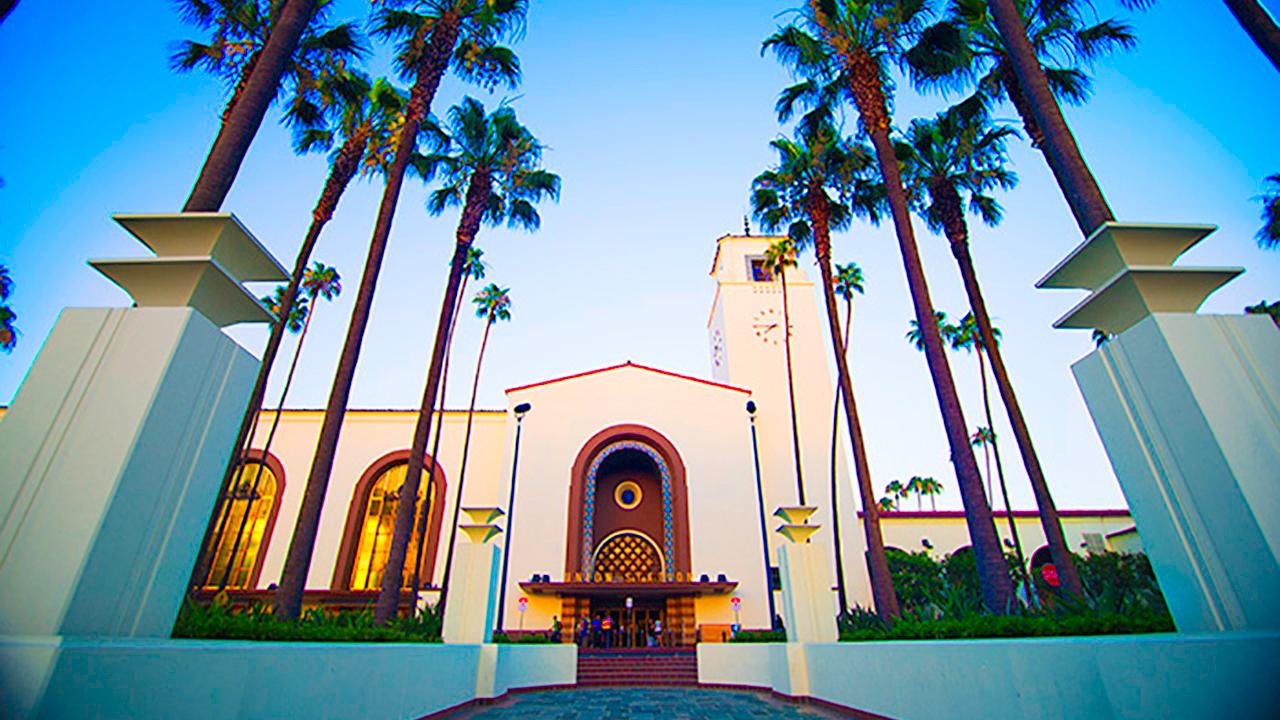
Union Station, opened in 1939, stands as the largest railroad passenger terminal in the Western United States and is often celebrated as “the last of the great train stations”. Designed by John and Donald Parkinson, the landmark blends Spanish Colonial, Mission Revival, and Art Deco architecture, creating a grand and memorable gateway to Los Angeles. The station’s iconic features include a soaring ticket concourse, elegant waiting room, lush courtyards, and a majestic clock tower, all reflecting the city’s rich cultural heritage.
Today, Union Station is a vital transportation hub, serving five major Amtrak routes:
Coast Starlight: Travels north to Seattle, passing through California’s scenic coastline.
Southwest Chief: Connects Los Angeles to Chicago, traversing the American Southwest.
Sunset Limited: Runs east to New Orleans, offering a cross-country journey.
Texas Eagle: Links Los Angeles with San Antonio, with connections further east.
Pacific Surfliner: Operates between San Luis Obispo and San Diego, providing frequent service along Southern California’s coast.
In addition to Amtrak, Union Station is the central hub for regional Metrolink commuter trains and Metro Rail lines, making it easy for event attendees and business travelers to connect between rail, bus, and local transit throughout Los Angeles and beyond. The station’s architectural beauty and central location make it not only a functional travel center but also a destination in its own right, capturing the spirit and history of Los Angeles.
Today, Union Station is a vital transportation hub, serving five major Amtrak routes:
Coast Starlight: Travels north to Seattle, passing through California’s scenic coastline.
Southwest Chief: Connects Los Angeles to Chicago, traversing the American Southwest.
Sunset Limited: Runs east to New Orleans, offering a cross-country journey.
Texas Eagle: Links Los Angeles with San Antonio, with connections further east.
Pacific Surfliner: Operates between San Luis Obispo and San Diego, providing frequent service along Southern California’s coast.
In addition to Amtrak, Union Station is the central hub for regional Metrolink commuter trains and Metro Rail lines, making it easy for event attendees and business travelers to connect between rail, bus, and local transit throughout Los Angeles and beyond. The station’s architectural beauty and central location make it not only a functional travel center but also a destination in its own right, capturing the spirit and history of Los Angeles.
Los Angeles, CA Ground information
Ground Transportation Guide – Los Angeles
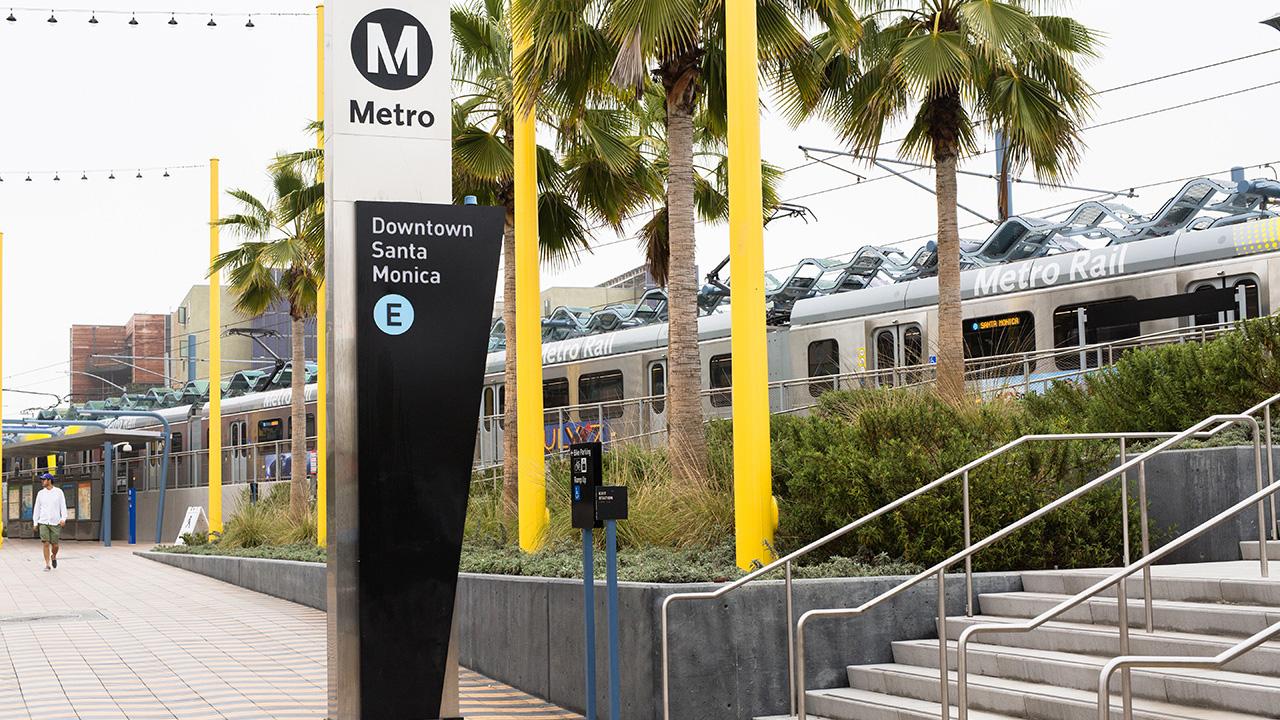
Los Angeles offers a robust and expanding public transportation network, making it easier than ever for event attendees and business travelers to navigate the city. The Los Angeles County Metropolitan Transportation Authority (Metro) operates 165 bus routes and six rail lines, connecting major neighborhoods, business districts, and attractions across the region. Tickets for Metro services can be purchased at self-service machines before boarding, and schedules vary by route.
A major milestone for ground transportation arrived in June 2025 with the opening of the LAX/Metro Transit Center at Aviation Boulevard and 96th Street. This impressive new hub connects Metro’s C and K rail lines directly to the airport area and features a 16-bay bus plaza, bike hub, and convenient pick-up and drop-off zones. For now, a free shuttle runs every 10 minutes between the transit center and all LAX terminals, stopping at the lower level of each terminal for easy access. By early 2026, the Automated People Mover will connect the transit center directly to the airport terminals, offering a seamless, train-to-plane travel experience for visitors and event attendees.
Short-term and long-term Metro parking is available near the new transit center, making it a practical choice for those who want to avoid airport traffic. Whether you’re heading downtown, to a meeting hotel, or exploring the city’s attractions, the Metro system’s expanding rail and bus network provides a reliable and affordable way to get around Los Angeles - no car required.
Los Angeles offers a robust and expanding public transportation network, making it easier than ever for event attendees and business travelers to navigate the city. The Los Angeles County Metropolitan Transportation Authority (Metro) operates 165 bus routes and six rail lines, connecting major neighborhoods, business districts, and attractions across the region. Tickets for Metro services can be purchased at self-service machines before boarding, and schedules vary by route.
A major milestone for ground transportation arrived in June 2025 with the opening of the LAX/Metro Transit Center at Aviation Boulevard and 96th Street. This impressive new hub connects Metro’s C and K rail lines directly to the airport area and features a 16-bay bus plaza, bike hub, and convenient pick-up and drop-off zones. For now, a free shuttle runs every 10 minutes between the transit center and all LAX terminals, stopping at the lower level of each terminal for easy access. By early 2026, the Automated People Mover will connect the transit center directly to the airport terminals, offering a seamless, train-to-plane travel experience for visitors and event attendees.
Short-term and long-term Metro parking is available near the new transit center, making it a practical choice for those who want to avoid airport traffic. Whether you’re heading downtown, to a meeting hotel, or exploring the city’s attractions, the Metro system’s expanding rail and bus network provides a reliable and affordable way to get around Los Angeles - no car required.
Los Angeles, CA Other Transportation
In addition to Metro’s extensive bus and rail network, the Los Angeles Department of Transportation (LADOT) operates DASH, a neighborhood-friendly bus service covering 27 communities across the city. DASH buses are especially convenient for quick trips around downtown Los Angeles, with five core routes running every day of the week and stopping at popular destinations like Little Tokyo, Chinatown, Union Station, and the Fashion District. Buses typically arrive every 5 to 20 minutes, making it easy to hop on and off as you explore or commute. The regular DASH fare is just 50 cents per ride, or 35 cents with a TAP card, making it one of the most affordable ways to get around the city.
Recent expansions include new routes like DASH Pacoima, which connects key destinations such as schools, parks, and shopping centers, and is fully served by electric buses to support clean mobility and improved air quality. For those who ride frequently, monthly passes and reduced fares are available for seniors, students, and riders with disabilities.
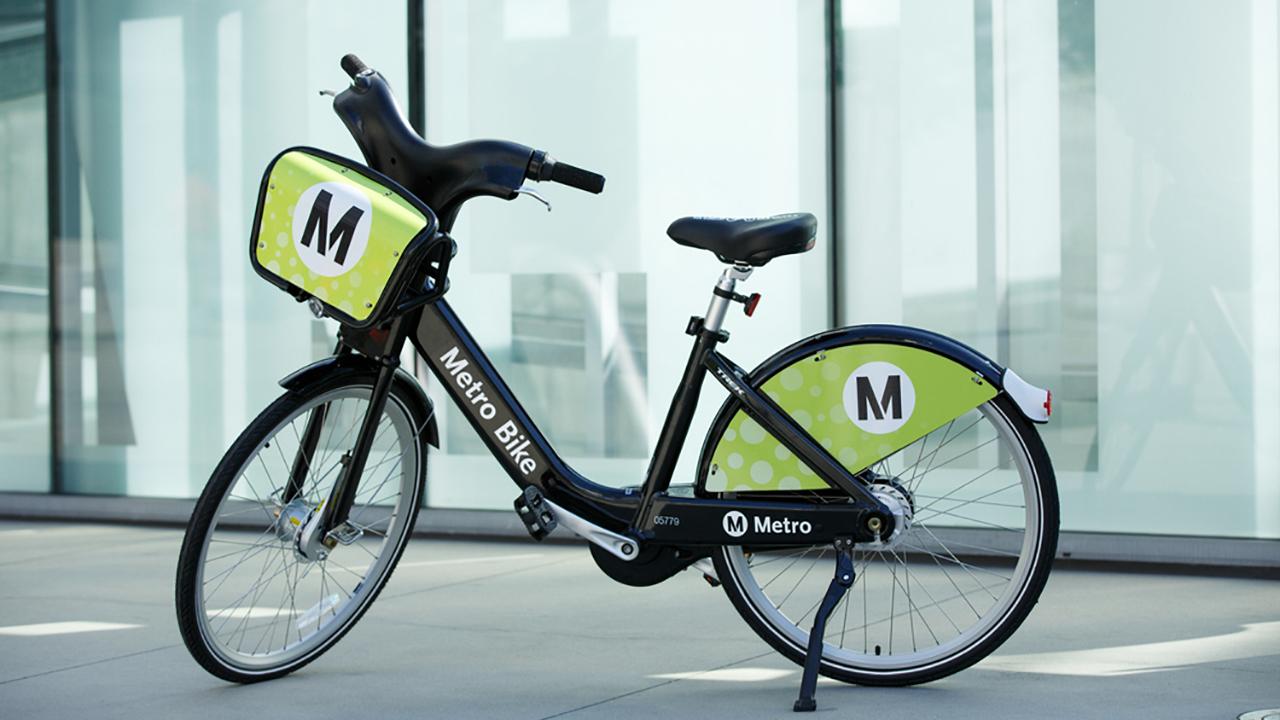
Beyond buses, Los Angeles embraces modern transportation alternatives including bike-share programs, electric scooters, and a variety of ride-sharing services like Uber and Lyft. These options provide flexible, on-demand mobility for visitors and event attendees, making it easy to navigate the city whether you’re heading to a meeting, a conference, or exploring local attractions.
Recent expansions include new routes like DASH Pacoima, which connects key destinations such as schools, parks, and shopping centers, and is fully served by electric buses to support clean mobility and improved air quality. For those who ride frequently, monthly passes and reduced fares are available for seniors, students, and riders with disabilities.
Beyond buses, Los Angeles embraces modern transportation alternatives including bike-share programs, electric scooters, and a variety of ride-sharing services like Uber and Lyft. These options provide flexible, on-demand mobility for visitors and event attendees, making it easy to navigate the city whether you’re heading to a meeting, a conference, or exploring local attractions.
Los Angeles, CA LAX-it
LAX-it (pronounced “LA Exit”) is the designated area at Los Angeles International Airport (LAX) for all taxi and ride-share pickups. To reach LAX-it, travelers can either walk (especially convenient from Terminals 1 and 7/8) or take the free shuttle, which departs frequently from outside baggage claim on the arrivals level. This system was introduced as a temporary solution to keep traffic flowing smoothly during LAX’s major modernization and construction projects.
Currently, LAX is undergoing a significant transformation, including the construction of the Automated People Mover - a 2.25-mile elevated train that will directly connect airport terminals with parking, rental car facilities, and the Metro Rail system. The People Mover is scheduled to finish construction in December 2025 and begin full operations in January 2026. Once operational, it will provide a seamless, fast, and congestion-free connection for travelers, eliminating the need for shuttle buses to LAX-it and greatly improving the overall airport experience. Until then, LAX-it remains the central hub for ride-share and taxi pickups, helping to reduce congestion in the busy terminal area while construction continues.
Currently, LAX is undergoing a significant transformation, including the construction of the Automated People Mover - a 2.25-mile elevated train that will directly connect airport terminals with parking, rental car facilities, and the Metro Rail system. The People Mover is scheduled to finish construction in December 2025 and begin full operations in January 2026. Once operational, it will provide a seamless, fast, and congestion-free connection for travelers, eliminating the need for shuttle buses to LAX-it and greatly improving the overall airport experience. Until then, LAX-it remains the central hub for ride-share and taxi pickups, helping to reduce congestion in the busy terminal area while construction continues.
