Indianapolis, IN Travel and Things to Do Guide
Indianapolis, located in Indiana, is a leading Midwest meetings destination, known for its integrated convention infrastructure, central location, and ongoing urban development.
According to a U.S. Census Bureau report, the city has a population of over 0.88 million. At the same time, the greater metropolitan area exceeds 2 million residents, providing a strong base for corporate and association events.
Indianapolis attracts approximately 28.6 million visitors annually, reinforcing its position as a high-demand destination for meetings, conventions, and large-scale events.
The city has experienced significant growth, with more than $3 billion in construction and renovation since 2008, including new hotels, attractions, restaurants, and entertainment venues. Indianapolis offers a large inventory of hotel rooms, particularly in the downtown core, where thousands of rooms are connected to major venues through an extensive skywalk system, supporting efficient event planning and attendee movement.
Why Indianapolis is Ideal for Event Planning
Indianapolis is structured for highly efficient, large-scale events. The downtown convention district is designed with direct connectivity among venues, hotels, and attractions, enabling planners to manage logistics with minimal transportation.
The city’s central location is a major advantage, with a significant portion of the U.S. population within a day’s drive or a short flight. This accessibility supports strong attendance for national and regional events.
Indianapolis also continues to invest in infrastructure and hospitality, with ongoing developments that enhance its appeal to planners. The compact downtown layout places hundreds of restaurants, entertainment venues, and attractions within walking distance of major event facilities.
Major Convention Centers
Indiana Convention Center
Located in downtown Indianapolis, this is one of the largest convention centers in the United States.
Key features:
Approximately 566,600 square feet of contiguous exhibit space
Multiple meeting rooms and ballrooms for flexible event setups
Direct connection to Lucas Oil Stadium, adding 183,000 square feet of event space
The convention center is connected to more than 12 hotels and thousands of guest rooms via climate-controlled skywalks.
Strengths: large-scale capacity, integrated hotel connectivity, centralized location.
Accessibility and Connectivity
Indianapolis is served by Indianapolis International Airport, which offers nonstop flights to more than 50 destinations.
The airport is located approximately 15–20 minutes from downtown and has been recognized by Condé Nast Traveler as one of the top airports in the United States.
The city’s central location provides easy road access, with major interstate highways connecting Indianapolis to key regional markets. Ground transportation options include taxis, rideshare services, rental cars, and hotel shuttles.
Headquarters Hotels and Accommodation
Indianapolis offers a strong inventory of downtown hotels, many of which are directly connected to the convention center via skywalks. This setup allows planners to coordinate large events with minimal logistical complexity.
Key event-friendly hotels include:
Conrad Indianapolis – Luxury hotel with meeting and event facilities connected to the downtown core.
JW Marriott Indianapolis – Large convention hotel with extensive meeting space.
Indianapolis Marriott Downtown – Connected property with direct access to event venues.
The Westin Indianapolis – Offers meeting space and skywalk connectivity.
Omni Severin Hotel – Historic property suitable for corporate meetings and events.
More than 7,000 hotel rooms are located within walking distance of the convention center, supporting large-scale conventions.
Unique Event Venues
Indianapolis offers a range of venues that complement traditional meeting spaces:
Lucas Oil Stadium – Suitable for large events, exhibitions, and general sessions.
Circle Centre Mall – Provides space for group activities and networking events.
Cultural venues and museums – Suitable for receptions and themed corporate gatherings.
Sports and entertainment venues – Support large group events and incentive programs.
These venues provide flexibility for both formal and experiential event formats.
Strategic Neighborhood Experiences
Downtown Indianapolis – Central hub for conventions, hotels, and entertainment.
Wholesale District – Business and entertainment area near major venues.
Mass Ave Arts District – Cultural area with dining and creative event spaces.
White River State Park – Outdoor venue option for networking and group activities.
Each area supports different event needs, from large conventions to informal gatherings.
Event Planning Support Services
Indianapolis offers a well-developed network of event professionals and suppliers who assist with:
Venue sourcing and coordination
Transportation and logistics
Event production and audiovisual services
Large-scale event management
These services support both national and international events.
Climate and Best Time for Events
Spring (March–May): Suitable for conferences and citywide events
Summer (June–August): Peak season with outdoor event opportunities
Autumn (September–November): Strong period for conventions and business events
Winter (December–February): Cold season, suitable for indoor meetings and conferences
Conclusion: Indianapolis as an Event Destination
Indianapolis offers a highly efficient option for planners seeking a destination with strong convention infrastructure, a centralized location, and ample hotel capacity. The combination of a major convention center, connected venues, and a walkable downtown supports seamless event execution.
With its central U.S. location, continued development, and ability to host large-scale conventions, Indianapolis is well-suited for conferences, corporate meetings, and industry events requiring accessibility and operational efficiency.
According to a U.S. Census Bureau report, the city has a population of over 0.88 million. At the same time, the greater metropolitan area exceeds 2 million residents, providing a strong base for corporate and association events.
Indianapolis attracts approximately 28.6 million visitors annually, reinforcing its position as a high-demand destination for meetings, conventions, and large-scale events.
The city has experienced significant growth, with more than $3 billion in construction and renovation since 2008, including new hotels, attractions, restaurants, and entertainment venues. Indianapolis offers a large inventory of hotel rooms, particularly in the downtown core, where thousands of rooms are connected to major venues through an extensive skywalk system, supporting efficient event planning and attendee movement.
Why Indianapolis is Ideal for Event Planning
Indianapolis is structured for highly efficient, large-scale events. The downtown convention district is designed with direct connectivity among venues, hotels, and attractions, enabling planners to manage logistics with minimal transportation.
The city’s central location is a major advantage, with a significant portion of the U.S. population within a day’s drive or a short flight. This accessibility supports strong attendance for national and regional events.
Indianapolis also continues to invest in infrastructure and hospitality, with ongoing developments that enhance its appeal to planners. The compact downtown layout places hundreds of restaurants, entertainment venues, and attractions within walking distance of major event facilities.
Major Convention Centers
Indiana Convention Center
Located in downtown Indianapolis, this is one of the largest convention centers in the United States.
Key features:
Approximately 566,600 square feet of contiguous exhibit space
Multiple meeting rooms and ballrooms for flexible event setups
Direct connection to Lucas Oil Stadium, adding 183,000 square feet of event space
The convention center is connected to more than 12 hotels and thousands of guest rooms via climate-controlled skywalks.
Strengths: large-scale capacity, integrated hotel connectivity, centralized location.
Accessibility and Connectivity
Indianapolis is served by Indianapolis International Airport, which offers nonstop flights to more than 50 destinations.
The airport is located approximately 15–20 minutes from downtown and has been recognized by Condé Nast Traveler as one of the top airports in the United States.
The city’s central location provides easy road access, with major interstate highways connecting Indianapolis to key regional markets. Ground transportation options include taxis, rideshare services, rental cars, and hotel shuttles.
Headquarters Hotels and Accommodation
Indianapolis offers a strong inventory of downtown hotels, many of which are directly connected to the convention center via skywalks. This setup allows planners to coordinate large events with minimal logistical complexity.
Key event-friendly hotels include:
Conrad Indianapolis – Luxury hotel with meeting and event facilities connected to the downtown core.
JW Marriott Indianapolis – Large convention hotel with extensive meeting space.
Indianapolis Marriott Downtown – Connected property with direct access to event venues.
The Westin Indianapolis – Offers meeting space and skywalk connectivity.
Omni Severin Hotel – Historic property suitable for corporate meetings and events.
More than 7,000 hotel rooms are located within walking distance of the convention center, supporting large-scale conventions.
Unique Event Venues
Indianapolis offers a range of venues that complement traditional meeting spaces:
Lucas Oil Stadium – Suitable for large events, exhibitions, and general sessions.
Circle Centre Mall – Provides space for group activities and networking events.
Cultural venues and museums – Suitable for receptions and themed corporate gatherings.
Sports and entertainment venues – Support large group events and incentive programs.
These venues provide flexibility for both formal and experiential event formats.
Strategic Neighborhood Experiences
Downtown Indianapolis – Central hub for conventions, hotels, and entertainment.
Wholesale District – Business and entertainment area near major venues.
Mass Ave Arts District – Cultural area with dining and creative event spaces.
White River State Park – Outdoor venue option for networking and group activities.
Each area supports different event needs, from large conventions to informal gatherings.
Event Planning Support Services
Indianapolis offers a well-developed network of event professionals and suppliers who assist with:
Venue sourcing and coordination
Transportation and logistics
Event production and audiovisual services
Large-scale event management
These services support both national and international events.
Climate and Best Time for Events
Spring (March–May): Suitable for conferences and citywide events
Summer (June–August): Peak season with outdoor event opportunities
Autumn (September–November): Strong period for conventions and business events
Winter (December–February): Cold season, suitable for indoor meetings and conferences
Conclusion: Indianapolis as an Event Destination
Indianapolis offers a highly efficient option for planners seeking a destination with strong convention infrastructure, a centralized location, and ample hotel capacity. The combination of a major convention center, connected venues, and a walkable downtown supports seamless event execution.
With its central U.S. location, continued development, and ability to host large-scale conventions, Indianapolis is well-suited for conferences, corporate meetings, and industry events requiring accessibility and operational efficiency.
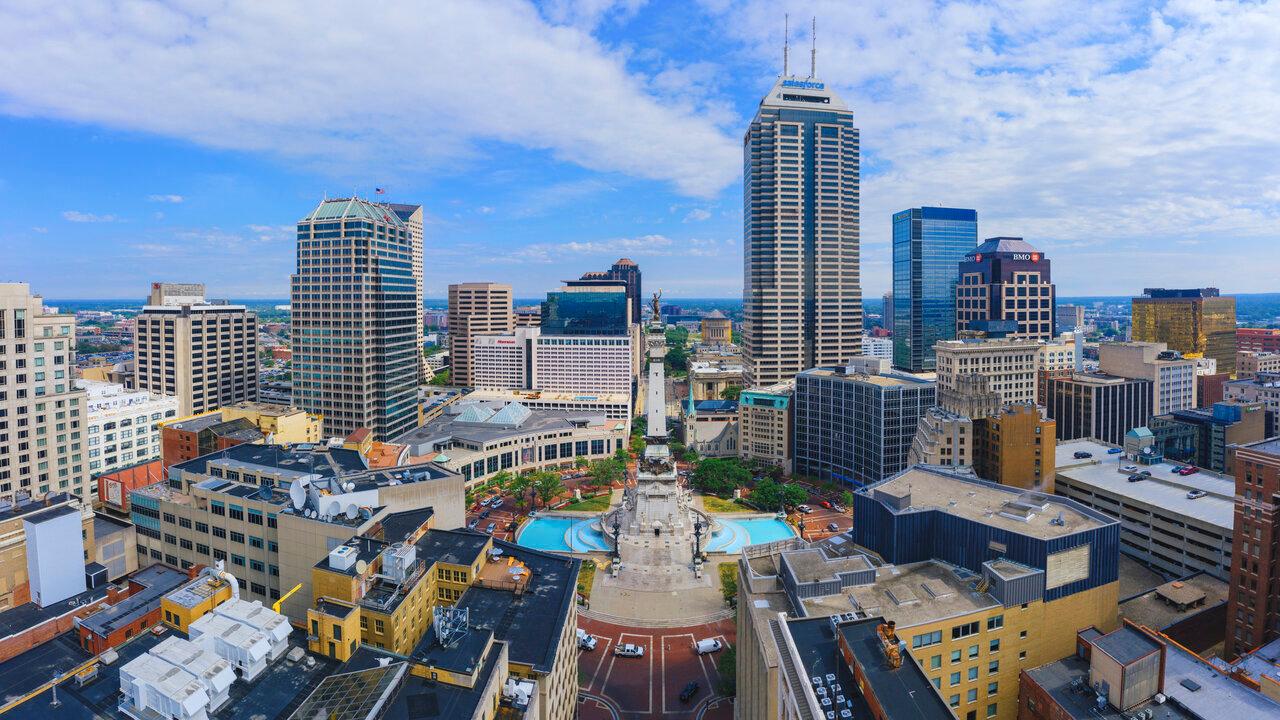
Weather and Seasonality
Located in a humid continental climate zone, Indianapolis has a climate that varies distinctly among the four seasons. Similar to other Midwestern cities, summers are hot, with average high temperatures frequently reaching over 90°. Winters are chilly and brisk, with temperatures often below freezing. Indianapolis sees an average of 20 to 30 inches of snowfall per year.
While the city's climate-controlled skywalks allow visitors to enjoy the city regardless of the weather, the best time to visit Indianapolis is the spring or fall, when temperatures average a pleasant 65°. Cool breezes mix with warm sunshine to create the perfect setting for a stroll through one of the city's charming boroughs or lush parks.
While the city's climate-controlled skywalks allow visitors to enjoy the city regardless of the weather, the best time to visit Indianapolis is the spring or fall, when temperatures average a pleasant 65°. Cool breezes mix with warm sunshine to create the perfect setting for a stroll through one of the city's charming boroughs or lush parks.
| Month | High/Low °F | Seasonality |
|---|---|---|
| January | 35°/19° | Low |
| February | 39°/22° | Low |
| March | 50°/31° | Medium |
| April | 63°/42° | Medium |
| May | 73°/52° | High |
| June | 82°/61° | High |
| July | 85°/65° | High |
| August | 84°/63° | High |
| September | 77°/55° | High |
| October | 66°/44° | Medium |
| November | 51°/33° | Medium |
| December | 39°/24° | Low |


