
Boston, MA Travel and Things to Do Guide
Boston, located in Massachusetts, is a major meetings destination in the northeastern United States, known for its strong convention infrastructure, academic ecosystem, and consistent demand for business events.
According to a U.S. Census Bureau report, the city has a population of over 0.65 million. At the same time, the greater metropolitan area exceeds 4.8 million residents, providing a large base for corporate and association events. Boston continues to see growth in meeting and event planning, driven by ongoing venue developments, infrastructure upgrades, and its position as a center for technology, education, and finance.
The city offers more than 30,000 hotel rooms across the greater area, with a mix of business hotels, luxury properties, and convention-focused accommodations. Many hotels are located within close proximity to major venues, particularly in key districts such as Back Bay and the Seaport, allowing planners to manage events efficiently. Boston supports a wide range of event formats, from large-scale conventions to executive meetings and academic conferences.
Why Boston is Ideal for Event Planning
Boston is structured for high-volume, well-organized events. The city’s convention districts are designed with close integration between venues and hotels, reducing transportation requirements and simplifying logistics for planners.
The Seaport District and Back Bay areas offer dense clusters of event infrastructure, allowing attendees to move between hotels, convention centers, and dining options within short distances.
Boston also benefits from a strong knowledge economy, supported by leading universities and global companies, making it a preferred destination for industry conferences, research events, and corporate meetings.
Sustainability is a growing focus in the city, with green initiatives across public spaces, transportation, and event venues that support environmentally conscious event planning.
Major Convention Centers
Boston Convention and Exhibition Center
Located in the Seaport District, this is the largest convention facility in New England and a primary venue for large-scale events.
Key features:
Expansive exhibit halls and flexible meeting spaces
Large ballrooms and multiple breakout rooms
Capacity for major conventions, trade shows, and exhibitions
Strengths: large-scale capacity, modern infrastructure, proximity to hotels.
John B. Hynes Veterans Memorial Convention Center
Situated in Back Bay, this venue is suited for mid-sized conventions and corporate events.
Key features:
Exhibition and meeting space integrated with nearby hotels
Ballrooms and conference rooms for flexible setups
Strengths: central location, strong hotel connectivity.
Seaport World Trade Center
Located along the waterfront, this venue supports conferences, meetings, and special events.
Key features:
Waterfront event spaces and meeting rooms
Flexible configurations for corporate functions
Strengths: scenic location, integrated hotel access.
Accessibility and Connectivity
Boston is served by Logan International Airport, located approximately 10–15 minutes from downtown.
The airport provides extensive domestic and international connectivity, linking Boston to major global business hubs. Ground transportation options include taxis, rideshare services, public transit, and hotel shuttles.
The city’s public transportation system, operated by the Massachusetts Bay Transportation Authority, includes subway, bus, and commuter rail networks, ensuring reliable movement across key districts.
Headquarters Hotels and Accommodation
Boston’s hotel landscape includes convention hotels, luxury properties, and business-focused accommodations. Many hotels are located within walking distance of major venues, particularly in the Seaport and Back Bay areas.
Key event-friendly hotels include:
Seaport Hotel Boston – Directly connected to the Seaport World Trade Center with meeting and event facilities.
Boston Marriott Copley Place – Large convention hotel connected to the Hynes Convention Center.
Sheraton Boston Hotel – Offers extensive meeting space with direct access to convention facilities.
Renaissance Boston Waterfront Hotel – Located near the Boston Convention and Exhibition Center with event capabilities.
Mandarin Oriental, Boston – Luxury property suitable for executive meetings and smaller corporate events.
Additional hotels near the airport and surrounding districts provide overflow capacity for large conventions.
Unique Event Venues
Boston offers a range of venues that reflect its historical and cultural identity:
Isabella Stewart Gardner Museum – Suitable for receptions and private events in a cultural setting.
New England Aquarium – Hosts large events with waterfront views and themed spaces.
Charles Riverboat Company – Offers private charters for corporate gatherings on the water.
Historic buildings and waterfront venues – Used for formal dinners and networking events.
These venues support experiential formats and corporate functions with a local character.
Strategic Neighborhood Experiences
Seaport District – Primary convention area with modern venues and hotels.
Back Bay – Central business district with hotels, retail, and event spaces.
Downtown Boston – Mix of corporate venues and historic locations.
Cambridge – Academic hub with access to universities and research institutions.
Each area supports different event types, from large conventions to academic and corporate meetings.
Academic and Innovation Venues
Boston is home to leading institutions such as Boston University and Northeastern University, supporting academic conferences and research-driven events. The city also hosts major companies including Liberty Mutual and New Balance, reinforcing its role as a hub for business and innovation.
Event Planning Support Services
Boston offers a strong network of event professionals and suppliers who assist with:
Venue sourcing and coordination
Transportation and logistics
Event production and audiovisual services
Sustainable event planning solutions
These services support both large-scale conventions and smaller corporate meetings.
Climate and Best Time for Events
Spring (March–May): Suitable for conferences and outdoor activities
Summer (June–August): Peak season, ideal for large events and waterfront venues
Autumn (September–November): Strong period for conferences with moderate weather
Winter (December–February): Cold season, best suited for indoor meetings and corporate events
Conclusion: Boston as an Event Destination
Boston provides a well-established option for planners seeking a destination with strong convention infrastructure, academic depth, and diverse venue offerings. The combination of large convention centers, integrated hotel networks, and efficient transport systems supports events of all sizes.
According to a U.S. Census Bureau report, the city has a population of over 0.65 million. At the same time, the greater metropolitan area exceeds 4.8 million residents, providing a large base for corporate and association events. Boston continues to see growth in meeting and event planning, driven by ongoing venue developments, infrastructure upgrades, and its position as a center for technology, education, and finance.
The city offers more than 30,000 hotel rooms across the greater area, with a mix of business hotels, luxury properties, and convention-focused accommodations. Many hotels are located within close proximity to major venues, particularly in key districts such as Back Bay and the Seaport, allowing planners to manage events efficiently. Boston supports a wide range of event formats, from large-scale conventions to executive meetings and academic conferences.
Why Boston is Ideal for Event Planning
Boston is structured for high-volume, well-organized events. The city’s convention districts are designed with close integration between venues and hotels, reducing transportation requirements and simplifying logistics for planners.
The Seaport District and Back Bay areas offer dense clusters of event infrastructure, allowing attendees to move between hotels, convention centers, and dining options within short distances.
Boston also benefits from a strong knowledge economy, supported by leading universities and global companies, making it a preferred destination for industry conferences, research events, and corporate meetings.
Sustainability is a growing focus in the city, with green initiatives across public spaces, transportation, and event venues that support environmentally conscious event planning.
Major Convention Centers
Boston Convention and Exhibition Center
Located in the Seaport District, this is the largest convention facility in New England and a primary venue for large-scale events.
Key features:
Expansive exhibit halls and flexible meeting spaces
Large ballrooms and multiple breakout rooms
Capacity for major conventions, trade shows, and exhibitions
Strengths: large-scale capacity, modern infrastructure, proximity to hotels.
John B. Hynes Veterans Memorial Convention Center
Situated in Back Bay, this venue is suited for mid-sized conventions and corporate events.
Key features:
Exhibition and meeting space integrated with nearby hotels
Ballrooms and conference rooms for flexible setups
Strengths: central location, strong hotel connectivity.
Seaport World Trade Center
Located along the waterfront, this venue supports conferences, meetings, and special events.
Key features:
Waterfront event spaces and meeting rooms
Flexible configurations for corporate functions
Strengths: scenic location, integrated hotel access.
Accessibility and Connectivity
Boston is served by Logan International Airport, located approximately 10–15 minutes from downtown.
The airport provides extensive domestic and international connectivity, linking Boston to major global business hubs. Ground transportation options include taxis, rideshare services, public transit, and hotel shuttles.
The city’s public transportation system, operated by the Massachusetts Bay Transportation Authority, includes subway, bus, and commuter rail networks, ensuring reliable movement across key districts.
Headquarters Hotels and Accommodation
Boston’s hotel landscape includes convention hotels, luxury properties, and business-focused accommodations. Many hotels are located within walking distance of major venues, particularly in the Seaport and Back Bay areas.
Key event-friendly hotels include:
Seaport Hotel Boston – Directly connected to the Seaport World Trade Center with meeting and event facilities.
Boston Marriott Copley Place – Large convention hotel connected to the Hynes Convention Center.
Sheraton Boston Hotel – Offers extensive meeting space with direct access to convention facilities.
Renaissance Boston Waterfront Hotel – Located near the Boston Convention and Exhibition Center with event capabilities.
Mandarin Oriental, Boston – Luxury property suitable for executive meetings and smaller corporate events.
Additional hotels near the airport and surrounding districts provide overflow capacity for large conventions.
Unique Event Venues
Boston offers a range of venues that reflect its historical and cultural identity:
Isabella Stewart Gardner Museum – Suitable for receptions and private events in a cultural setting.
New England Aquarium – Hosts large events with waterfront views and themed spaces.
Charles Riverboat Company – Offers private charters for corporate gatherings on the water.
Historic buildings and waterfront venues – Used for formal dinners and networking events.
These venues support experiential formats and corporate functions with a local character.
Strategic Neighborhood Experiences
Seaport District – Primary convention area with modern venues and hotels.
Back Bay – Central business district with hotels, retail, and event spaces.
Downtown Boston – Mix of corporate venues and historic locations.
Cambridge – Academic hub with access to universities and research institutions.
Each area supports different event types, from large conventions to academic and corporate meetings.
Academic and Innovation Venues
Boston is home to leading institutions such as Boston University and Northeastern University, supporting academic conferences and research-driven events. The city also hosts major companies including Liberty Mutual and New Balance, reinforcing its role as a hub for business and innovation.
Event Planning Support Services
Boston offers a strong network of event professionals and suppliers who assist with:
Venue sourcing and coordination
Transportation and logistics
Event production and audiovisual services
Sustainable event planning solutions
These services support both large-scale conventions and smaller corporate meetings.
Climate and Best Time for Events
Spring (March–May): Suitable for conferences and outdoor activities
Summer (June–August): Peak season, ideal for large events and waterfront venues
Autumn (September–November): Strong period for conferences with moderate weather
Winter (December–February): Cold season, best suited for indoor meetings and corporate events
Conclusion: Boston as an Event Destination
Boston provides a well-established option for planners seeking a destination with strong convention infrastructure, academic depth, and diverse venue offerings. The combination of large convention centers, integrated hotel networks, and efficient transport systems supports events of all sizes.
Weather and Seasonality
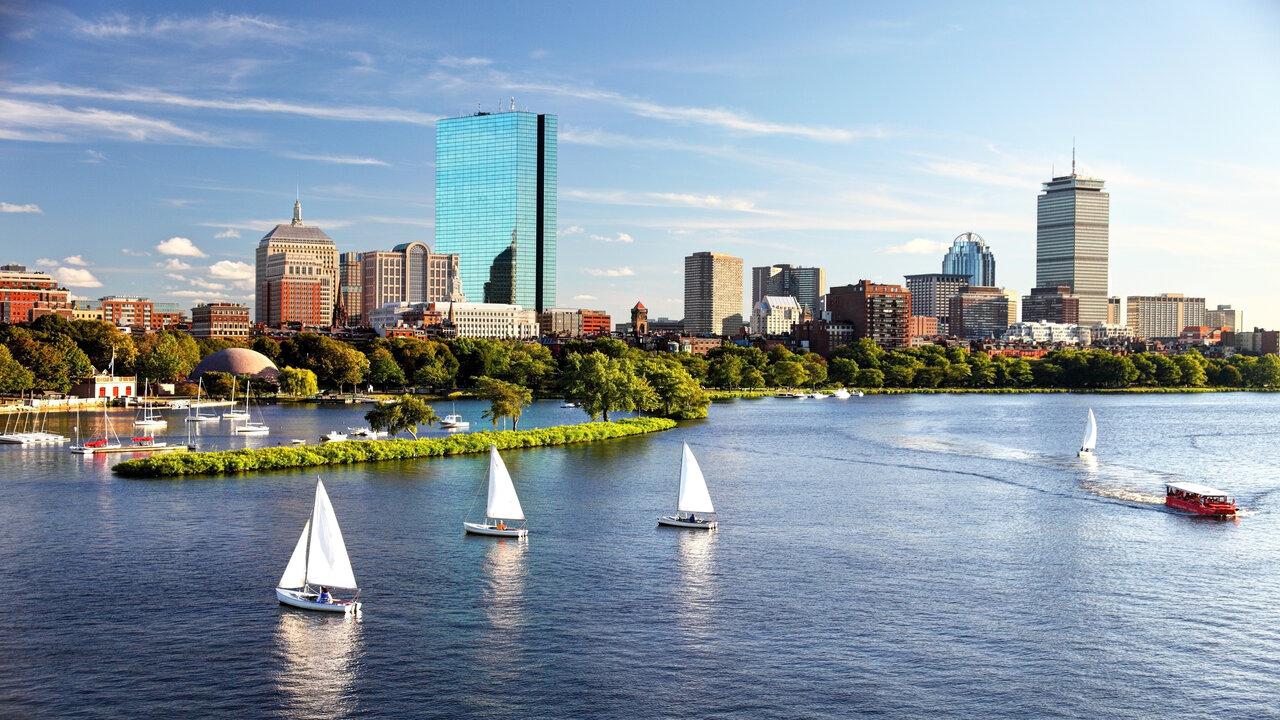
Boston weather varies greatly, sometimes causing vast temperature swings over the course of only a few days. Summers are typically hot and humid, filled with sunshine and temperatures averaging around 82°F during the warmest month of July. Winters are cold with temperatures averaging 37°F during the coldest month of January. Boston receives about 42 inches of snow a year, most of which is the result of north-easterly storms. January and March see the highest amount of average precipitation at 3.9 inches. Guests should visit the city during late spring or early fall, when pleasant temperatures and low precipitation allow them to get outside and enjoy the foliage transition from one season to the next.
| Month | High/Low °F | Seasonality |
|---|---|---|
| January | 36°/22° | Low |
| February | 38°/23° | Low |
| March | 45°/31° | Medium |
| April | 56°/40° | Medium |
| May | 67°/50° | High |
| June | 77°/59° | High |
| July | 82°/65° | High |
| August | 80°/64° | High |
| September | 73°/57° | High |
| October | 63°/47° | High |
| November | 52°/38° | Low |
| December | 41°/27° | Low |

