Getting Around Memphis, TN
Memphis, TN Airport information
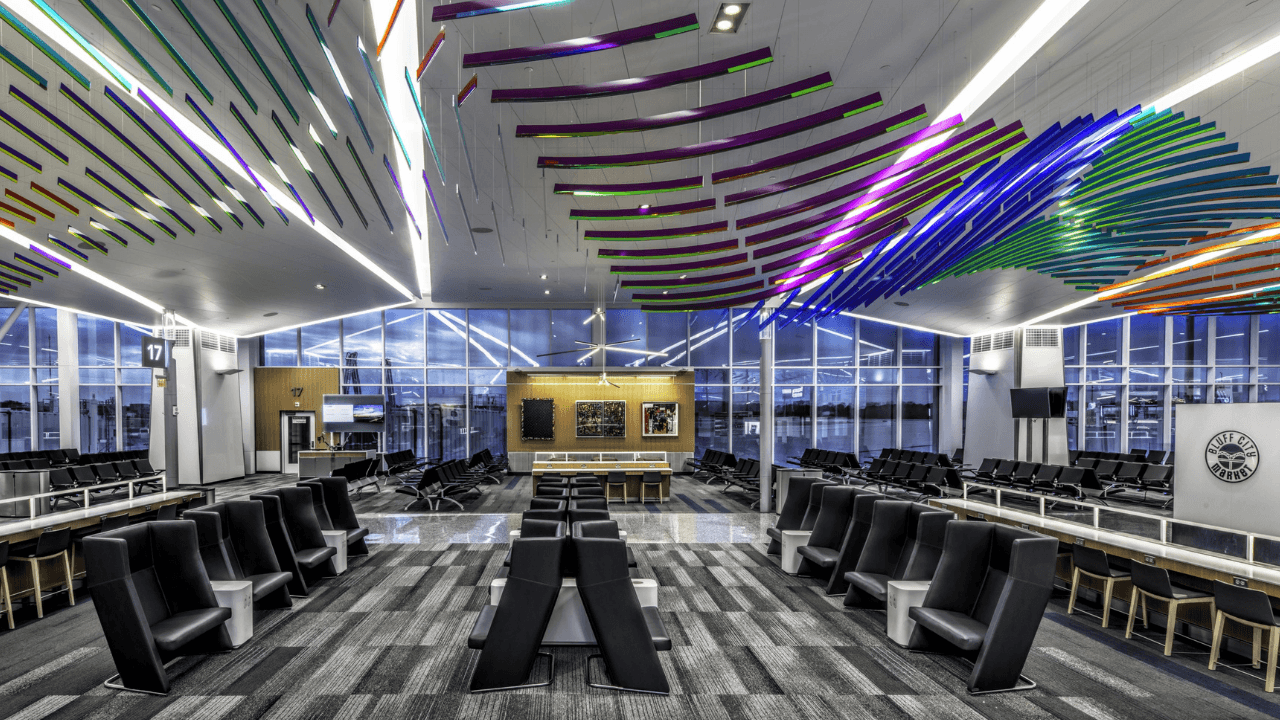
When you are flying into Memphis for a meeting, conference, or event, you will most likely use Memphis International Airport, also called MEM. It sits about 7 miles (around 11 km) southeast of downtown, so getting into the city is usually quick and simple by car, taxi, or rideshare. The airport has been modernized in recent years, with an updated main concourse and clear signs that help business travelers and event groups move through check-in, security, and baggage claim without much confusion. One thing planners should know is that some parts of the terminal and nearby roads are still being upgraded, so it is smart to allow a little extra time for pickup, drop-off, or large group movements.
Airport name: Memphis International Airport (MEM), the main airport for Memphis and nearby regions.
Distance to downtown: About 15–20 minutes by car in normal traffic.
Main uses: Passenger flights plus a major cargo hub (important for events shipping materials or equipment).
Terminal updates: Concourse A is being removed and terminal areas are being modernized; watch for updated maps and signage.
Access roads: A new lower-level commercial lane is open for taxis, shuttles, and rideshares; the old upper drive is being rebuilt, so pickups may be on a different level than older instructions say.
Walking routes: The pedestrian tunnel between Terminal B and the plaza is closed until around spring 2026, so groups should follow surface-level wayfinding signs and plan meeting points clearly.
Busy periods: Passenger traffic is growing, and holiday or school-break weeks can be especially crowded, so encourage your attendees to arrive early for flights.
Airlines and routes: MEM offers nonstop and connecting flights to major U.S. cities, and more nonstop routes (for example, new flights to Las Vegas and Phoenix from 2026) help reduce layovers for business travelers.
Airport name: Memphis International Airport (MEM), the main airport for Memphis and nearby regions.
Distance to downtown: About 15–20 minutes by car in normal traffic.
Main uses: Passenger flights plus a major cargo hub (important for events shipping materials or equipment).
Terminal updates: Concourse A is being removed and terminal areas are being modernized; watch for updated maps and signage.
Access roads: A new lower-level commercial lane is open for taxis, shuttles, and rideshares; the old upper drive is being rebuilt, so pickups may be on a different level than older instructions say.
Walking routes: The pedestrian tunnel between Terminal B and the plaza is closed until around spring 2026, so groups should follow surface-level wayfinding signs and plan meeting points clearly.
Busy periods: Passenger traffic is growing, and holiday or school-break weeks can be especially crowded, so encourage your attendees to arrive early for flights.
Airlines and routes: MEM offers nonstop and connecting flights to major U.S. cities, and more nonstop routes (for example, new flights to Las Vegas and Phoenix from 2026) help reduce layovers for business travelers.
Memphis, TN Train information
If you or your event guests prefer to travel by train, Memphis has one main passenger station called Memphis Central Station, served by Amtrak. The station sits in the South Main Arts District, close to hotels, restaurants, and attractions, which makes it convenient for travelers heading straight into meetings or downtown venues. Amtrak’s “City of New Orleans” route stops in Memphis on its way between Chicago and New Orleans, so it is especially useful for attendees coming from the Midwest or Gulf Coast who want a relaxed, scenic trip instead of flying.
Station name: Memphis Central Station (Amtrak code: MEM).
Address: 545 South Main Street, near the Main Street and Carolina intersection in downtown Memphis.
Main route: Served by the City of New Orleans train, connecting Chicago – Memphis – New Orleans.
Station hours and services: Enclosed waiting area, accessible platform, and staffed services; ticketing support is available via Amtrak channels.
Nearby stays: A hotel is located at or next to the station, making it easy for rail travelers to walk directly to their rooms after arrival.
Area benefits for events: From the station, guests can walk or take a short ride to downtown hotels, meeting spaces, the National Civil Rights Museum, and riverfront parks, which is helpful for compact, walkable event schedules.
Planning tip: Check current Amtrak timetables and advise attendees to build in buffer time, since long-distance trains can sometimes have delays.
Station name: Memphis Central Station (Amtrak code: MEM).
Address: 545 South Main Street, near the Main Street and Carolina intersection in downtown Memphis.
Main route: Served by the City of New Orleans train, connecting Chicago – Memphis – New Orleans.
Station hours and services: Enclosed waiting area, accessible platform, and staffed services; ticketing support is available via Amtrak channels.
Nearby stays: A hotel is located at or next to the station, making it easy for rail travelers to walk directly to their rooms after arrival.
Area benefits for events: From the station, guests can walk or take a short ride to downtown hotels, meeting spaces, the National Civil Rights Museum, and riverfront parks, which is helpful for compact, walkable event schedules.
Planning tip: Check current Amtrak timetables and advise attendees to build in buffer time, since long-distance trains can sometimes have delays.

Memphis, TN Memphis Public Transit information
Getting around Memphis once you arrive is fairly straightforward, especially in the downtown and midtown areas where many event venues and hotels are located. The city’s main public transit provider is the Memphis Area Transit Authority (MATA), which runs buses across the city and operates the downtown trolley system. For event planners and business travelers, this means you can mix options: attendees can use buses or trolleys for short trips, while taxis, rideshares, and hotel shuttles cover late-night or door-to-door travel.
Transit agency: Memphis Area Transit Authority (MATA) operates city buses and the trolley system.
Buses: MATA buses connect many neighborhoods with downtown; schedules and a trip planner are available online, which is useful when sharing route info in event guides or welcome emails.
Trolleys: The Main Street Trolley serves downtown with vintage-style streetcars on the Main Street Line; additional trolley routes and their latest operating details are listed on the MATA trolley routes page.
Trolley-style buses: In some periods, trolley buses run in place of streetcars on certain loops; these still give visitors an easy way to move between hotels, restaurants, and entertainment spots.
Fares and pilots: MATA has experimented with free-transit pilot programs on all services, so always check the latest fare information and share any discounts or free-ride periods with your attendees.
Event mobility tips:
Choose venues near Main Street or other well-served bus or trolley stops to make car-free access easier.
Provide simple maps or links to the MATA trip planner in your event materials so guests can quickly see how to reach your location.
Remind travelers arriving late at night to confirm transit hours and consider taxis or rideshares if buses and trolleys are running less frequently.
Transit agency: Memphis Area Transit Authority (MATA) operates city buses and the trolley system.
Buses: MATA buses connect many neighborhoods with downtown; schedules and a trip planner are available online, which is useful when sharing route info in event guides or welcome emails.
Trolleys: The Main Street Trolley serves downtown with vintage-style streetcars on the Main Street Line; additional trolley routes and their latest operating details are listed on the MATA trolley routes page.
Trolley-style buses: In some periods, trolley buses run in place of streetcars on certain loops; these still give visitors an easy way to move between hotels, restaurants, and entertainment spots.
Fares and pilots: MATA has experimented with free-transit pilot programs on all services, so always check the latest fare information and share any discounts or free-ride periods with your attendees.
Event mobility tips:
Choose venues near Main Street or other well-served bus or trolley stops to make car-free access easier.
Provide simple maps or links to the MATA trip planner in your event materials so guests can quickly see how to reach your location.
Remind travelers arriving late at night to confirm transit hours and consider taxis or rideshares if buses and trolleys are running less frequently.