Houston, TX Travel and Things to Do Guide
Houston, located in Texas, is one of the largest meeting destinations in the United States, known for its scale, continuous development, and diverse event infrastructure.
According to a U.S. Census Bureau report, Houston has a population of over 2.3 million. At the same time, the greater metropolitan area exceeds 7 million residents, making it a major hub for corporate, association, and international events.
The city continues to expand its offerings across hotels, convention facilities, dining, entertainment, and event venues, supporting planners with a constantly evolving event landscape.
Houston offers a large and diverse hotel inventory, including convention hotels, luxury properties, and business-focused accommodations across key districts. With tens of thousands of hotel rooms and a strong pipeline of developments, the city supports events of all sizes, from large-scale conventions to executive meetings. Many hotels are located near major venues, particularly in downtown areas, enabling planners to coordinate efficiently.
Why Houston is Ideal for Event Planning
Houston is structured for large-scale, high-capacity events. The city’s continuous investment in infrastructure, hospitality, and entertainment ensures planners have access to modern venues and updated facilities.
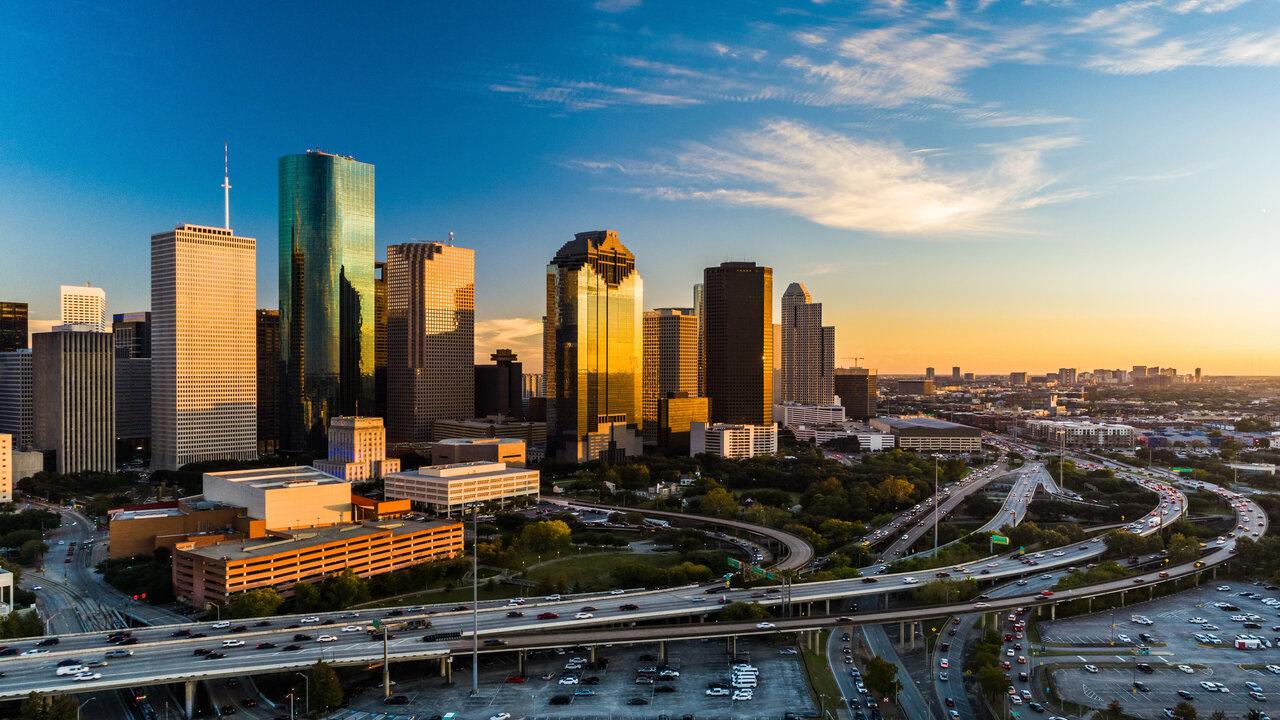
The downtown convention district is highly integrated, allowing easy movement between convention centers, hotels, and entertainment spaces. Developments such as parks, cultural venues, and mixed-use districts enhance the attendee experience.
Houston also benefits from a strong economic base, with key industries including energy, healthcare, aerospace, and technology, making it a preferred destination for industry-specific conferences and corporate events.
The city’s size and infrastructure allow it to handle complex, multi-venue events while maintaining operational efficiency.
Major Convention Centers
George R. Brown Convention Center
Located in downtown Houston, this is the city’s primary venue for conventions, exhibitions, and large-scale meetings.
Key features:
Extensive exhibit halls and meeting rooms
Large ballrooms and flexible event spaces
Direct access to surrounding hotels and entertainment areas
The convention center is connected to the downtown “super block,” which includes Discovery Green, a 12-acre park used for outdoor events, receptions, and large gatherings.
Strengths: central location, large capacity, integration with public spaces and hotels.
Accessibility and Connectivity
Houston is served by major airports, including George Bush Intercontinental Airport and William P. Hobby Airport, providing extensive domestic and international connectivity.
The city’s road network supports efficient ground transportation, while taxis, rideshare services, and rental cars are widely available. Due to Houston’s size, travel times can vary, but the downtown convention district is designed for accessibility.
Headquarters Hotels and Accommodation
Houston’s hotel landscape includes large convention hotels, international brands, and boutique properties. Many hotels are located near the George R. Brown Convention Center, supporting large-scale event planning.
Key event-friendly hotels include:
Hilton Americas-Houston – Convention headquarters hotel with extensive meeting space.
Marriott Marquis Houston – Large property with over 100,000 square feet of meeting space and direct access to the convention district.
Hotel ICON – Historic downtown hotel near Market Square Park with event facilities.
The Lancaster Hotel – Boutique property suitable for smaller corporate meetings.
Additional hotels across downtown and surrounding districts provide capacity for large attendee groups.
Unique Event Venues
Houston offers a variety of venues that reflect its urban development and cultural landscape:
Market Square Park – Redeveloped urban space suitable for outdoor gatherings and receptions.
Discovery Green: Hosts large-scale events, festivals, and corporate functions near the convention center.
Shell Energy Stadium – Venue for large group events and sports-related functions.
Port of Houston Bayport Cruise Terminal – Offers event space, including VIP lounges and cruise-based experiences.
These venues support experiential events, networking functions, and large outdoor gatherings.
Strategic Neighborhood Experiences
Downtown Houston – Primary convention and business district with major venues and hotels.
EaDo (East Downtown) – Emerging area with entertainment venues and event spaces.
Theater District – Cultural hub with performance venues and event opportunities.
Midtown – Dining and nightlife district suitable for informal networking events.
Each area supports a range of event formats, from large conventions to social and cultural gatherings.
Academic and Innovation Venues
Houston is a major center for research and industry, with institutions such as the University of Houston supporting academic conferences and events. The city’s strong presence in energy, healthcare, and aerospace industries makes it a key destination for sector-specific meetings and conventions.
Event Planning Support Services
Houston offers a comprehensive network of event professionals and suppliers who assist with:
Venue sourcing and coordination
Transportation and logistics
Event production and audiovisual services
Large-scale event management
These services support both national and international events.
Climate and Best Time for Events
Spring (March–May): Suitable for conferences and outdoor events
Summer (June–August): Hot season, best for indoor meetings and evening events
Autumn (September–November): Strong period for conferences and business events
Winter (December–February): Mild, suitable for meetings and corporate gatherings
Conclusion: Houston as an Event Destination
Houston provides a strong option for planners seeking a large-scale destination with continuous development and extensive infrastructure. The combination of a major convention center, an integrated hotel network, and diverse event venues supports events of all sizes.
With its expanding hospitality landscape, strong industry base, and ability to host complex events, Houston is well-suited for conferences, corporate meetings, and large conventions requiring scale and flexibility.
According to a U.S. Census Bureau report, Houston has a population of over 2.3 million. At the same time, the greater metropolitan area exceeds 7 million residents, making it a major hub for corporate, association, and international events.
The city continues to expand its offerings across hotels, convention facilities, dining, entertainment, and event venues, supporting planners with a constantly evolving event landscape.
Houston offers a large and diverse hotel inventory, including convention hotels, luxury properties, and business-focused accommodations across key districts. With tens of thousands of hotel rooms and a strong pipeline of developments, the city supports events of all sizes, from large-scale conventions to executive meetings. Many hotels are located near major venues, particularly in downtown areas, enabling planners to coordinate efficiently.
Why Houston is Ideal for Event Planning
Houston is structured for large-scale, high-capacity events. The city’s continuous investment in infrastructure, hospitality, and entertainment ensures planners have access to modern venues and updated facilities.
The downtown convention district is highly integrated, allowing easy movement between convention centers, hotels, and entertainment spaces. Developments such as parks, cultural venues, and mixed-use districts enhance the attendee experience.
Houston also benefits from a strong economic base, with key industries including energy, healthcare, aerospace, and technology, making it a preferred destination for industry-specific conferences and corporate events.
The city’s size and infrastructure allow it to handle complex, multi-venue events while maintaining operational efficiency.
Major Convention Centers
George R. Brown Convention Center
Located in downtown Houston, this is the city’s primary venue for conventions, exhibitions, and large-scale meetings.
Key features:
Extensive exhibit halls and meeting rooms
Large ballrooms and flexible event spaces
Direct access to surrounding hotels and entertainment areas
The convention center is connected to the downtown “super block,” which includes Discovery Green, a 12-acre park used for outdoor events, receptions, and large gatherings.
Strengths: central location, large capacity, integration with public spaces and hotels.
Accessibility and Connectivity
Houston is served by major airports, including George Bush Intercontinental Airport and William P. Hobby Airport, providing extensive domestic and international connectivity.
The city’s road network supports efficient ground transportation, while taxis, rideshare services, and rental cars are widely available. Due to Houston’s size, travel times can vary, but the downtown convention district is designed for accessibility.
Headquarters Hotels and Accommodation
Houston’s hotel landscape includes large convention hotels, international brands, and boutique properties. Many hotels are located near the George R. Brown Convention Center, supporting large-scale event planning.
Key event-friendly hotels include:
Hilton Americas-Houston – Convention headquarters hotel with extensive meeting space.
Marriott Marquis Houston – Large property with over 100,000 square feet of meeting space and direct access to the convention district.
Hotel ICON – Historic downtown hotel near Market Square Park with event facilities.
The Lancaster Hotel – Boutique property suitable for smaller corporate meetings.
Additional hotels across downtown and surrounding districts provide capacity for large attendee groups.
Unique Event Venues
Houston offers a variety of venues that reflect its urban development and cultural landscape:
Market Square Park – Redeveloped urban space suitable for outdoor gatherings and receptions.
Discovery Green: Hosts large-scale events, festivals, and corporate functions near the convention center.
Shell Energy Stadium – Venue for large group events and sports-related functions.
Port of Houston Bayport Cruise Terminal – Offers event space, including VIP lounges and cruise-based experiences.
These venues support experiential events, networking functions, and large outdoor gatherings.
Strategic Neighborhood Experiences
Downtown Houston – Primary convention and business district with major venues and hotels.
EaDo (East Downtown) – Emerging area with entertainment venues and event spaces.
Theater District – Cultural hub with performance venues and event opportunities.
Midtown – Dining and nightlife district suitable for informal networking events.
Each area supports a range of event formats, from large conventions to social and cultural gatherings.
Academic and Innovation Venues
Houston is a major center for research and industry, with institutions such as the University of Houston supporting academic conferences and events. The city’s strong presence in energy, healthcare, and aerospace industries makes it a key destination for sector-specific meetings and conventions.
Event Planning Support Services
Houston offers a comprehensive network of event professionals and suppliers who assist with:
Venue sourcing and coordination
Transportation and logistics
Event production and audiovisual services
Large-scale event management
These services support both national and international events.
Climate and Best Time for Events
Spring (March–May): Suitable for conferences and outdoor events
Summer (June–August): Hot season, best for indoor meetings and evening events
Autumn (September–November): Strong period for conferences and business events
Winter (December–February): Mild, suitable for meetings and corporate gatherings
Conclusion: Houston as an Event Destination
Houston provides a strong option for planners seeking a large-scale destination with continuous development and extensive infrastructure. The combination of a major convention center, an integrated hotel network, and diverse event venues supports events of all sizes.
With its expanding hospitality landscape, strong industry base, and ability to host complex events, Houston is well-suited for conferences, corporate meetings, and large conventions requiring scale and flexibility.
Weather and Seasonality
Houston's humid subtropical climate means it is hot and wet in the summer and temperate in late fall, winter, and early spring. June, September, and October are the wettest months, and summer thunderstorms are common. To avoid the summer heat, an extensive seven-mile system of skywalks and tunnels has been built to link buildings in downtown with convenience stores, restaurants and shops. The best months to come to Houston are February, March and April, with daytime temperatures in the high 60s and 70s and little rain.
| Month | High/Low °F | Seasonality |
|---|---|---|
| January | 61°/41° | Low |
| February | 66°/44° | Low |
| March | 73°/51° | Medium |
| April | 79°/58° | Medium |
| May | 85°/65° | Medium |
| June | 91°/71° | High |
| July | 94°/73° | High |
| August | 93°/73° | High |
| September | 89°/68° | High |
| October | 82°/59° | Medium |
| November | 72°/50° | Medium |
| December | 65°/44° | Low |
