Nashville, TN Travel and Things to Do Guide
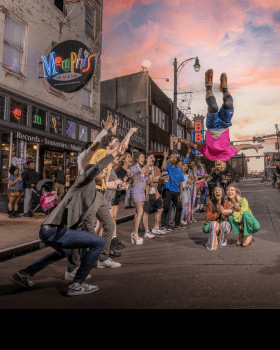
Known worldwide as "Music City," Nashville pairs deep musical roots with a fast-growing reputation as a premier business and meetings destination. The city blends Southern mansions, stately gardens, and historic performance halls with a gleaming downtown skyline, giving every event an authentic and unmistakable sense of place.
Its central location is a logistical advantage as well: Nashville sits within 600 miles of roughly half the U.S. population, making travel convenient for attendees coming from across the country.
Beyond its honky-tonks and stages, Nashville offers a vibrant, chef-driven culinary scene, a walkable downtown core, and a four-season climate that supports events year-round.
Often called the "Athens of the South" for its concentration of universities including Vanderbilt, Belmont, Fisk, and Tennessee State, the city also anchors a robust corporate base, with major employers such as Amazon, HCA Healthcare, Bridgestone Americas, Asurion, Nissan North America, and Cracker Barrel headquartered in the region.
Nashville has invested heavily in its meetings infrastructure, anchored by the downtown Music City Center and the sprawling Gaylord Opryland Resort & Convention Center. Combined with a deep inventory of headquarters hotels, a modern airport, and an expanding roster of distinctive venues, Nashville offers exceptional flexibility for planners seeking event space in Nashville at nearly any scale.
Why Nashville is Ideal for Event Planning
Nashville's compact, walkable downtown is one of its strongest assets for planners. The Music City Center, major headquarters hotels, the Country Music Hall of Fame, Bridgestone Arena, and the Broadway entertainment district sit within a few blocks of one another, allowing attendees to move easily between sessions, hotels, dining, and after-hours experiences on foot.
Geographically, Nashville's position within 600 miles of half the U.S. population shortens travel times and supports strong attendance for regional and national programs. Nashville International Airport (BNA) reinforces this advantage with extensive nonstop connectivity and quick access to downtown.
The city also brings a hospitality culture built around live music, Southern service, and a growing base of meeting-ready hotels. That combination of walkability, air access, and authentic local experience makes Nashville a logistically efficient and memorable host city.
Accessibility and Connectivity
Nashville International Airport (BNA) sits roughly 8 miles east of downtown, with a typical drive of 15 to 20 minutes. BNA offers more than 600 daily arrivals and departures and roughly 100 nonstop markets, including major domestic hubs and international service to destinations such as London and Toronto. Following its BNA Vision expansion, the airport features a modernized terminal, additional gates, and a connected on-site hotel.
Within the city, planners and attendees have multiple ground transportation options:
• Rideshare (Uber and Lyft), taxis, limousines, and hotel shuttles from the airport's Ground Transportation Center
• A flat taxi fare of about $30 between the airport, downtown, and Gaylord Opryland
• WeGo Public Transit Route 18, with regular service connecting the airport and downtown
Interstate access via I-40 and Nashville's position at the convergence of several major highways further support drive-in attendance from surrounding regions.
Unique Event Venues
Nashville's identity as Music City gives planners access to one-of-a-kind venues that immerse attendees in the city's heritage.
• Ryman Auditorium — the historic "Mother Church of Country Music," seating about 2,362, ideal for general sessions, galas, and private concerts
• Country Music Hall of Fame and Museum — 13 event spaces including a 10,000-square-foot Event Hall with skyline views and after-hours access to exhibits
• Grand Ole Opry House — a large, iconic performance venue carrying on Nashville's country music tradition
• Bridgestone Arena — a downtown arena accommodating large-scale events and general sessions, adjacent to Music City Center
• Schermerhorn Symphony Center — an elegant downtown venue suited to receptions, dinners, and concerts
• City Winery and Wildhorse Saloon — flexible entertainment venues for receptions and group buyouts
These venues let planners weave Nashville's music and cultural story directly into the attendee experience.
Event Planning Support Services
Nashville's mature meetings ecosystem provides planners with comprehensive support across the planning lifecycle.
• Venue sourcing and convention-center coordination through Music City Center and the local convention and visitors corporation
• Hotel room-block coordination across a deep inventory of downtown and metro-area properties
• Dedicated convention-services teams at major hotels, such as Omni Nashville's experienced events staff
• On-site audiovisual, catering, and event-tech capabilities at convention and hotel venues
• Ground transportation, shuttle, and group-logistics support for arrivals and offsite experiences
Together, these services support everything from small executive board meetings to large city-wide conventions.
Climate and Best Time for Events
Nashville experiences four distinct but generally mild seasons, with a year-round average high near 70°F.
• Spring (March–May): Mild, pleasant temperatures ranging from the 60s into the high 70s, making it one of the best windows for outdoor receptions and large conventions.
• Summer (June–August): Warm and humid, with highs in the high 80s to around 90°F, well suited to indoor, climate-controlled programs.
• Autumn (September–November): Warm days and cool evenings with mild temperatures, ideal for conventions, incentives, and outdoor activities.
• Winter (December–February): Cool, ranging roughly from 30°F to 49°F with little snowfall, suitable for indoor meetings and downtown events.
The ideal windows for events are late spring and fall, when days are warm and pleasant and evenings turn comfortably cool.
Conclusion: Nashville as an Event Destination
Nashville brings together everything planners look for in a modern meetings city: a centrally located, well-connected airport; a walkable downtown anchored by Music City Center and the expansive Gaylord Opryland resort; a deep base of recognized headquarters hotels; and a culinary and entertainment scene that gives attendees an authentic sense of place. Its central U.S. position keeps travel convenient for the majority of attendees, while its four-season climate supports programs throughout the year.
From large city-wide conventions to intimate executive gatherings, Nashville offers the infrastructure, accessibility, and lifestyle appeal to elevate any program. For planners seeking memorable, logistically efficient event space in Nashville, Music City delivers a destination as functional as it is unforgettable.
Its central location is a logistical advantage as well: Nashville sits within 600 miles of roughly half the U.S. population, making travel convenient for attendees coming from across the country.
Beyond its honky-tonks and stages, Nashville offers a vibrant, chef-driven culinary scene, a walkable downtown core, and a four-season climate that supports events year-round.
Often called the "Athens of the South" for its concentration of universities including Vanderbilt, Belmont, Fisk, and Tennessee State, the city also anchors a robust corporate base, with major employers such as Amazon, HCA Healthcare, Bridgestone Americas, Asurion, Nissan North America, and Cracker Barrel headquartered in the region.
Nashville has invested heavily in its meetings infrastructure, anchored by the downtown Music City Center and the sprawling Gaylord Opryland Resort & Convention Center. Combined with a deep inventory of headquarters hotels, a modern airport, and an expanding roster of distinctive venues, Nashville offers exceptional flexibility for planners seeking event space in Nashville at nearly any scale.
Why Nashville is Ideal for Event Planning
Nashville's compact, walkable downtown is one of its strongest assets for planners. The Music City Center, major headquarters hotels, the Country Music Hall of Fame, Bridgestone Arena, and the Broadway entertainment district sit within a few blocks of one another, allowing attendees to move easily between sessions, hotels, dining, and after-hours experiences on foot.
Geographically, Nashville's position within 600 miles of half the U.S. population shortens travel times and supports strong attendance for regional and national programs. Nashville International Airport (BNA) reinforces this advantage with extensive nonstop connectivity and quick access to downtown.
The city also brings a hospitality culture built around live music, Southern service, and a growing base of meeting-ready hotels. That combination of walkability, air access, and authentic local experience makes Nashville a logistically efficient and memorable host city.
Accessibility and Connectivity
Nashville International Airport (BNA) sits roughly 8 miles east of downtown, with a typical drive of 15 to 20 minutes. BNA offers more than 600 daily arrivals and departures and roughly 100 nonstop markets, including major domestic hubs and international service to destinations such as London and Toronto. Following its BNA Vision expansion, the airport features a modernized terminal, additional gates, and a connected on-site hotel.
Within the city, planners and attendees have multiple ground transportation options:
• Rideshare (Uber and Lyft), taxis, limousines, and hotel shuttles from the airport's Ground Transportation Center
• A flat taxi fare of about $30 between the airport, downtown, and Gaylord Opryland
• WeGo Public Transit Route 18, with regular service connecting the airport and downtown
Interstate access via I-40 and Nashville's position at the convergence of several major highways further support drive-in attendance from surrounding regions.
Unique Event Venues
Nashville's identity as Music City gives planners access to one-of-a-kind venues that immerse attendees in the city's heritage.
• Ryman Auditorium — the historic "Mother Church of Country Music," seating about 2,362, ideal for general sessions, galas, and private concerts
• Country Music Hall of Fame and Museum — 13 event spaces including a 10,000-square-foot Event Hall with skyline views and after-hours access to exhibits
• Grand Ole Opry House — a large, iconic performance venue carrying on Nashville's country music tradition
• Bridgestone Arena — a downtown arena accommodating large-scale events and general sessions, adjacent to Music City Center
• Schermerhorn Symphony Center — an elegant downtown venue suited to receptions, dinners, and concerts
• City Winery and Wildhorse Saloon — flexible entertainment venues for receptions and group buyouts
These venues let planners weave Nashville's music and cultural story directly into the attendee experience.
Event Planning Support Services
Nashville's mature meetings ecosystem provides planners with comprehensive support across the planning lifecycle.
• Venue sourcing and convention-center coordination through Music City Center and the local convention and visitors corporation
• Hotel room-block coordination across a deep inventory of downtown and metro-area properties
• Dedicated convention-services teams at major hotels, such as Omni Nashville's experienced events staff
• On-site audiovisual, catering, and event-tech capabilities at convention and hotel venues
• Ground transportation, shuttle, and group-logistics support for arrivals and offsite experiences
Together, these services support everything from small executive board meetings to large city-wide conventions.
Climate and Best Time for Events
Nashville experiences four distinct but generally mild seasons, with a year-round average high near 70°F.
• Spring (March–May): Mild, pleasant temperatures ranging from the 60s into the high 70s, making it one of the best windows for outdoor receptions and large conventions.
• Summer (June–August): Warm and humid, with highs in the high 80s to around 90°F, well suited to indoor, climate-controlled programs.
• Autumn (September–November): Warm days and cool evenings with mild temperatures, ideal for conventions, incentives, and outdoor activities.
• Winter (December–February): Cool, ranging roughly from 30°F to 49°F with little snowfall, suitable for indoor meetings and downtown events.
The ideal windows for events are late spring and fall, when days are warm and pleasant and evenings turn comfortably cool.
Conclusion: Nashville as an Event Destination
Nashville brings together everything planners look for in a modern meetings city: a centrally located, well-connected airport; a walkable downtown anchored by Music City Center and the expansive Gaylord Opryland resort; a deep base of recognized headquarters hotels; and a culinary and entertainment scene that gives attendees an authentic sense of place. Its central U.S. position keeps travel convenient for the majority of attendees, while its four-season climate supports programs throughout the year.
From large city-wide conventions to intimate executive gatherings, Nashville offers the infrastructure, accessibility, and lifestyle appeal to elevate any program. For planners seeking memorable, logistically efficient event space in Nashville, Music City delivers a destination as functional as it is unforgettable.
Weather and Seasonality
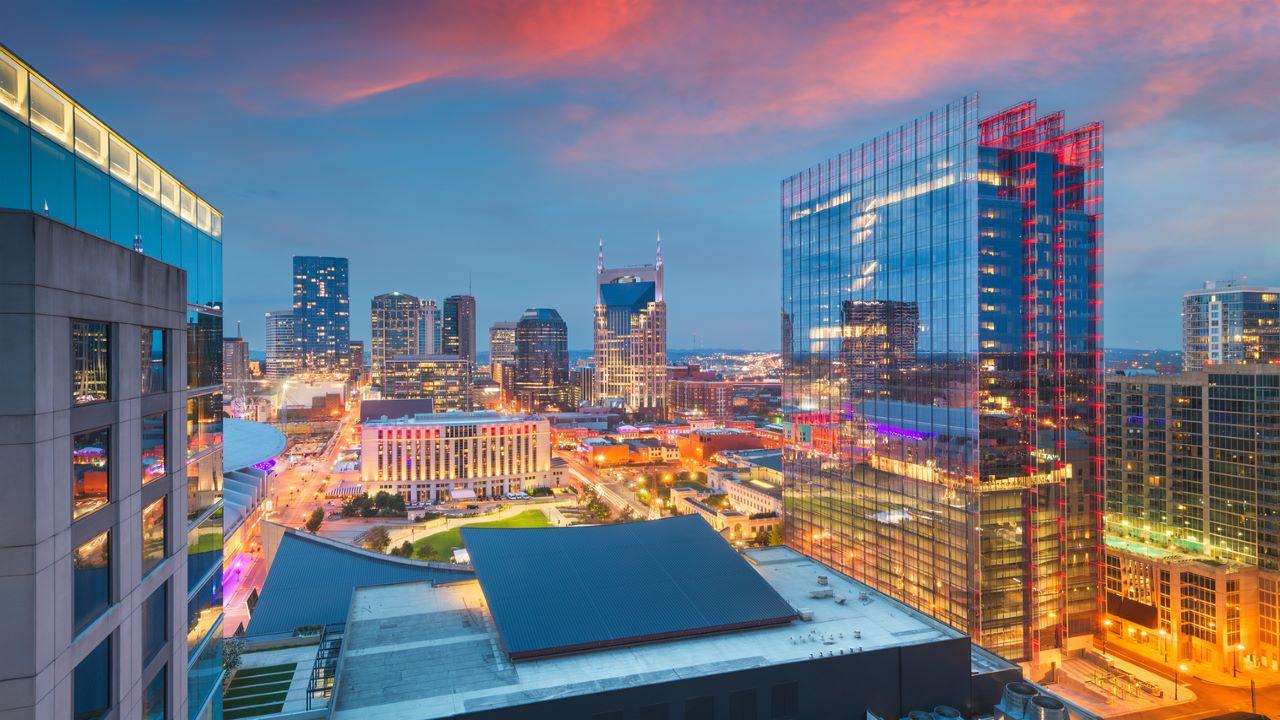
Nashville experiences four distinct, yet mild seasons with abundant warmth and sunshine. The year-round average temperature is a high of 70°F and a low of 48°F. Spring and fall bring mild temperatures, while summer months tend to be humid, with average temperatures in the high 80s. Winter temperatures are cool, ranging from 30°F to 49°F with little snowfall. Average annual rainfall is 48 inches, with most rain falling in the late winter and early spring. The ideal time to visit Nashville is during the late spring and fall seasons, when days are warm and pleasant and evenings are cool.
| Month | High/Low °F | Seasonality |
|---|---|---|
| January | 47°/28° | Low |
| February | 51°/31° | Low |
| March | 60°/39° | Medium |
| April | 71°/48° | Medium |
| May | 79°/57° | Medium |
| June | 87°/65° | High |
| July | 90°/69° | High |
| August | 89°/68° | High |
| September | 83°/61° | Medium |
| October | 72°/48° | Medium |
| November | 60°/39° | Low |
| December | 50°/31° | Low |