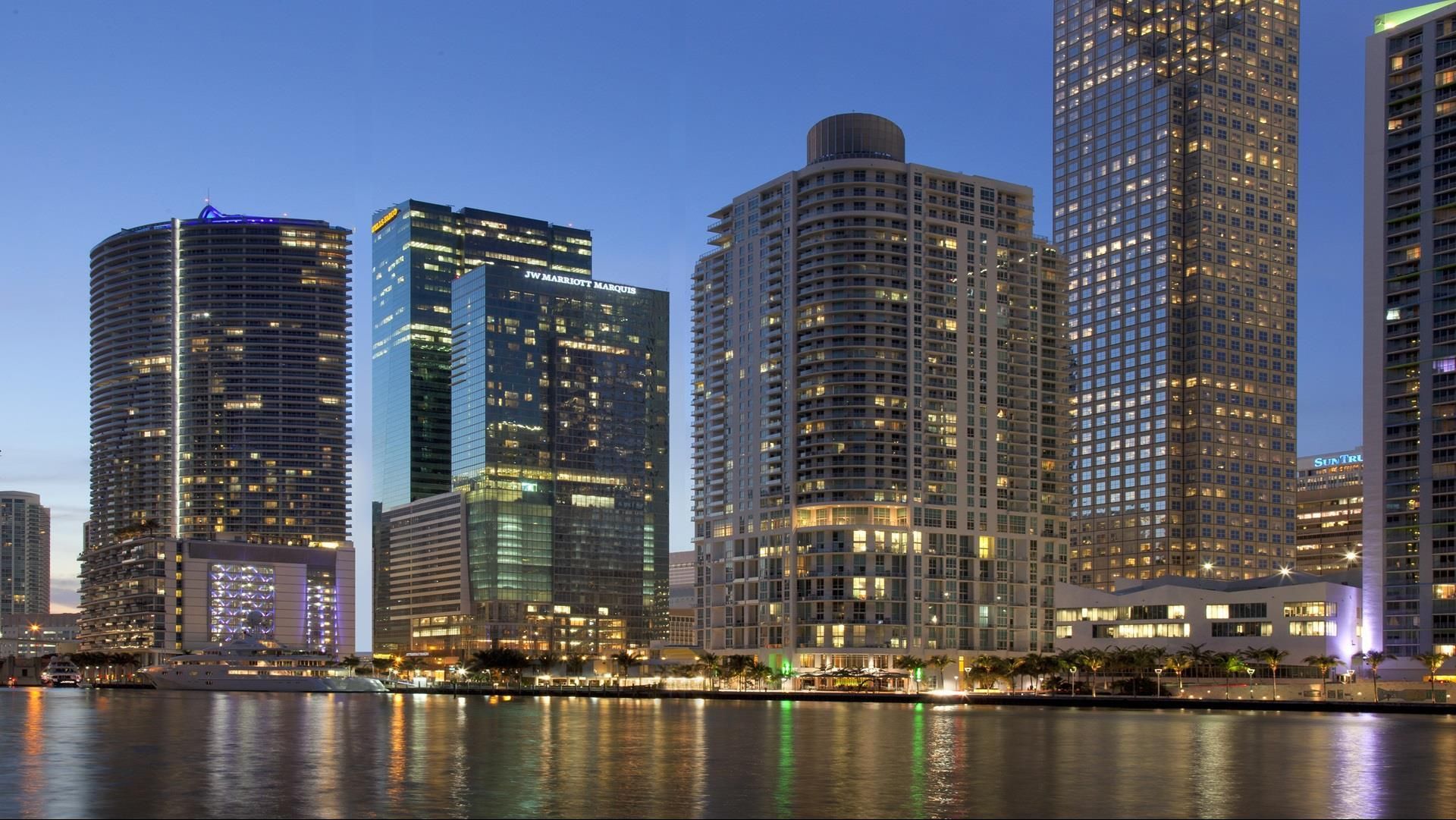
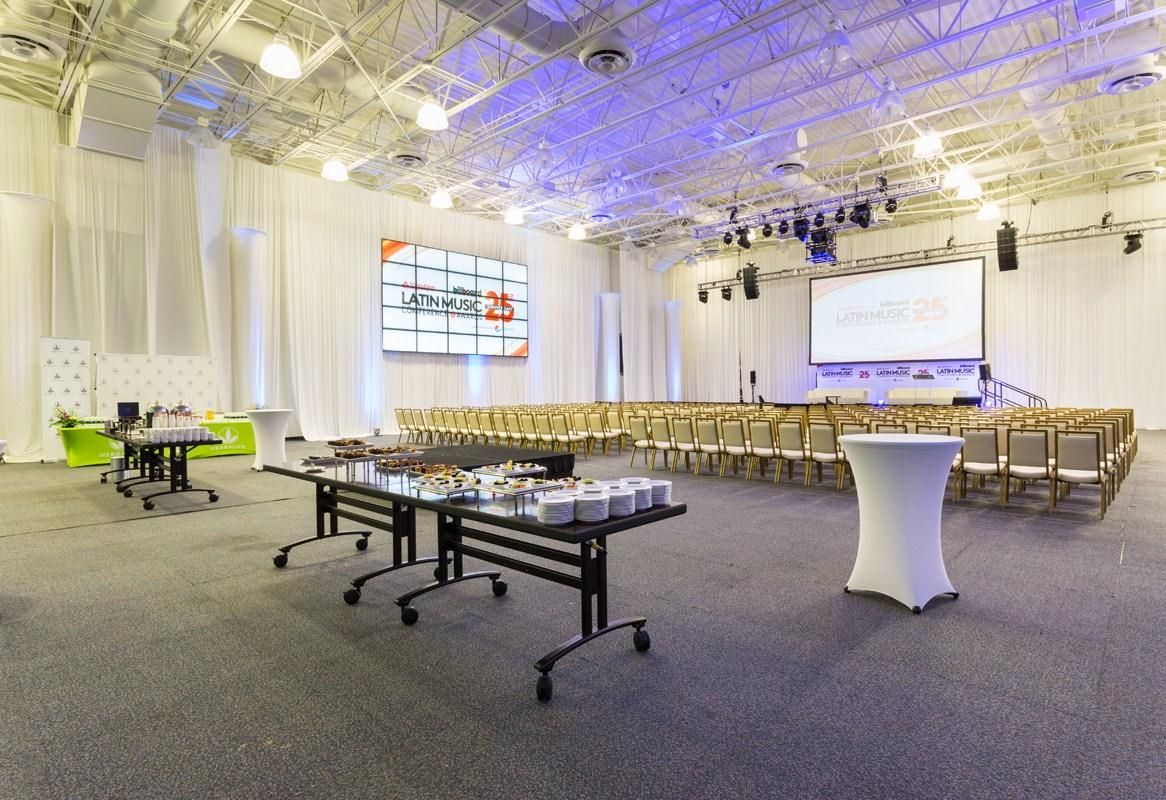
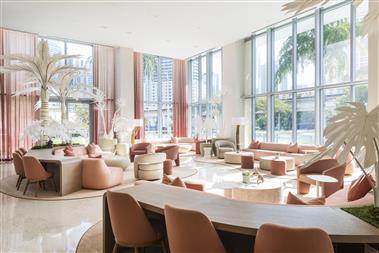
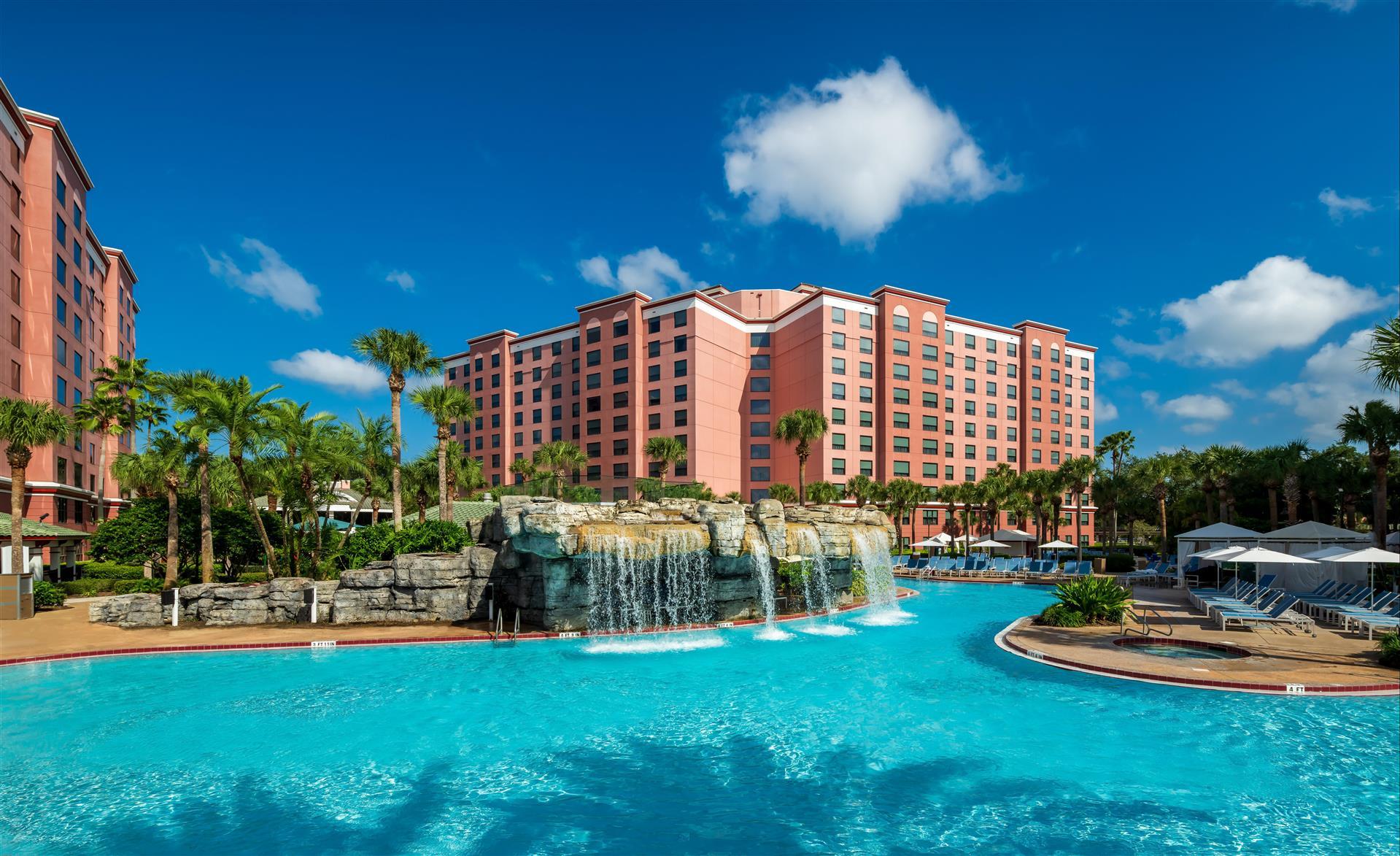
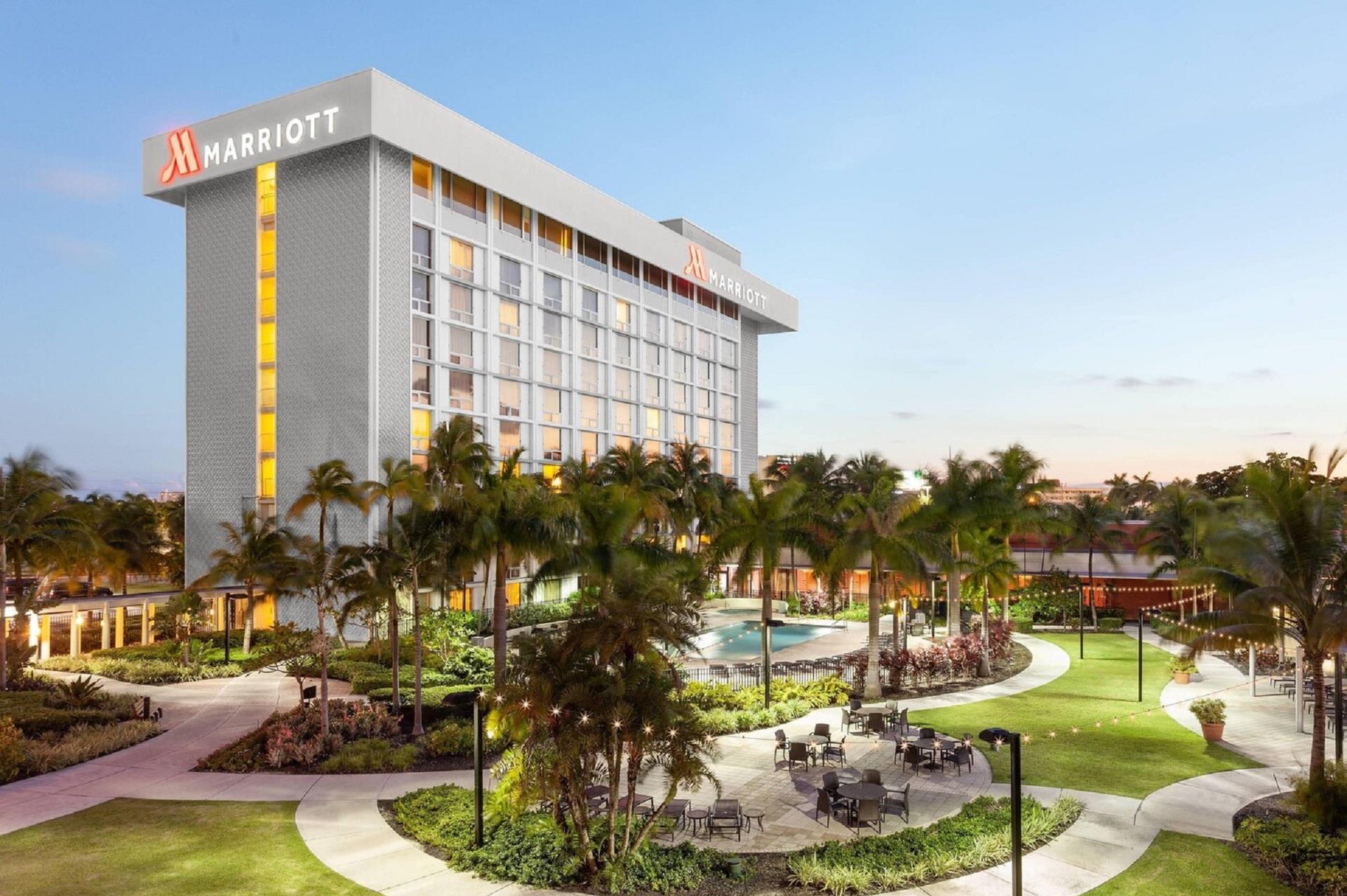
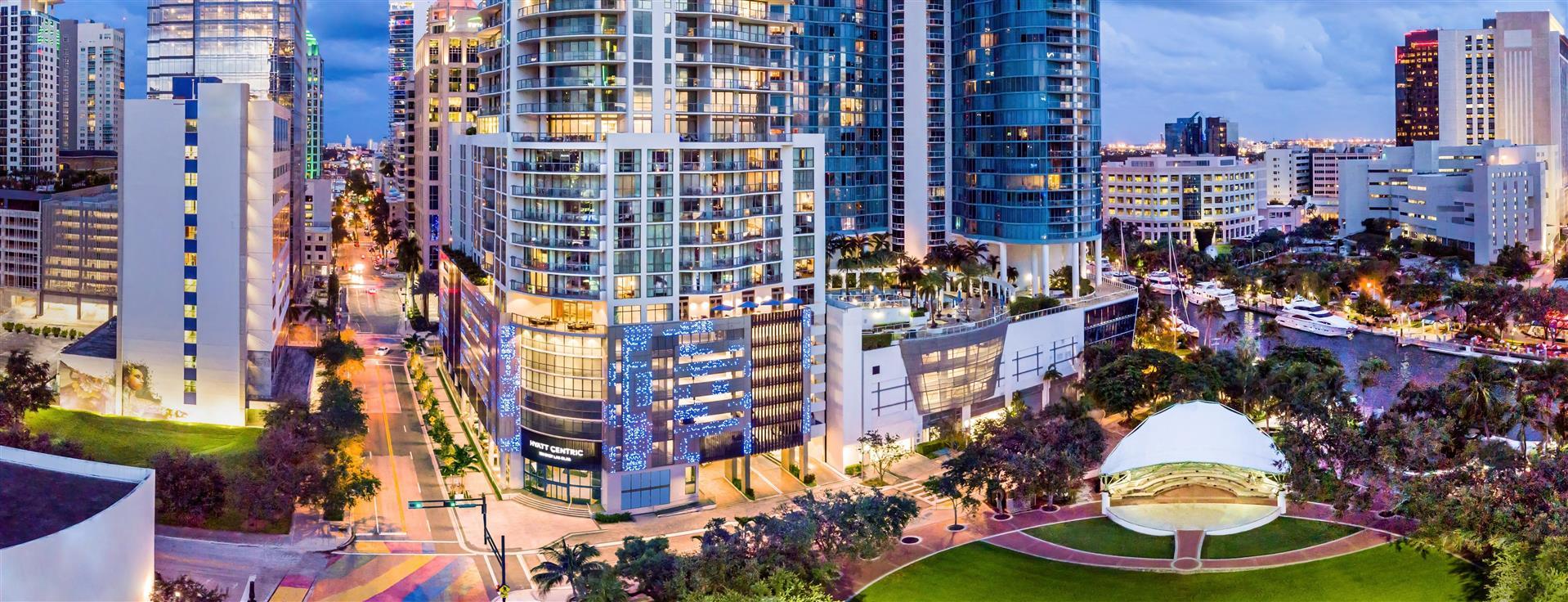
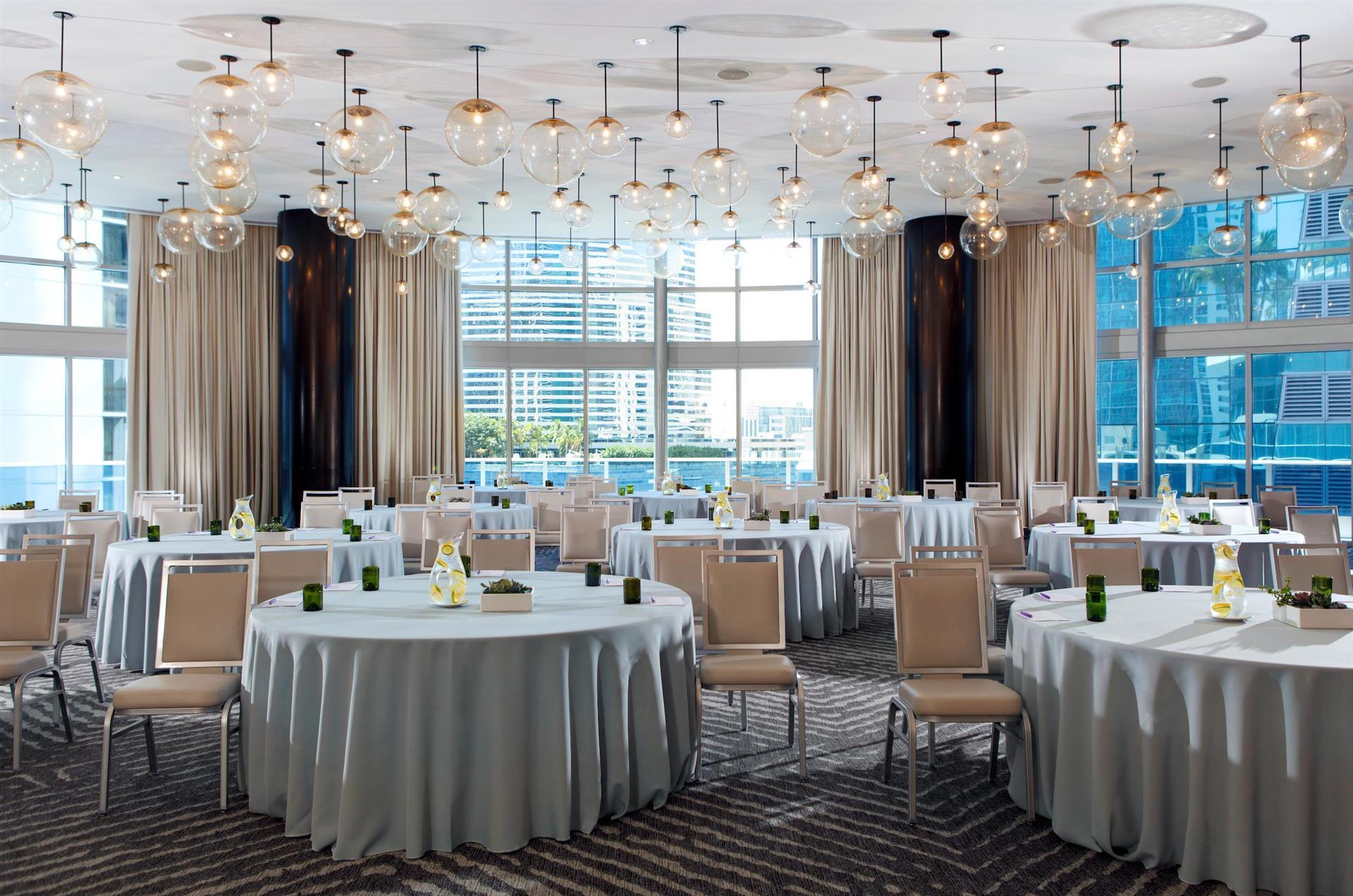
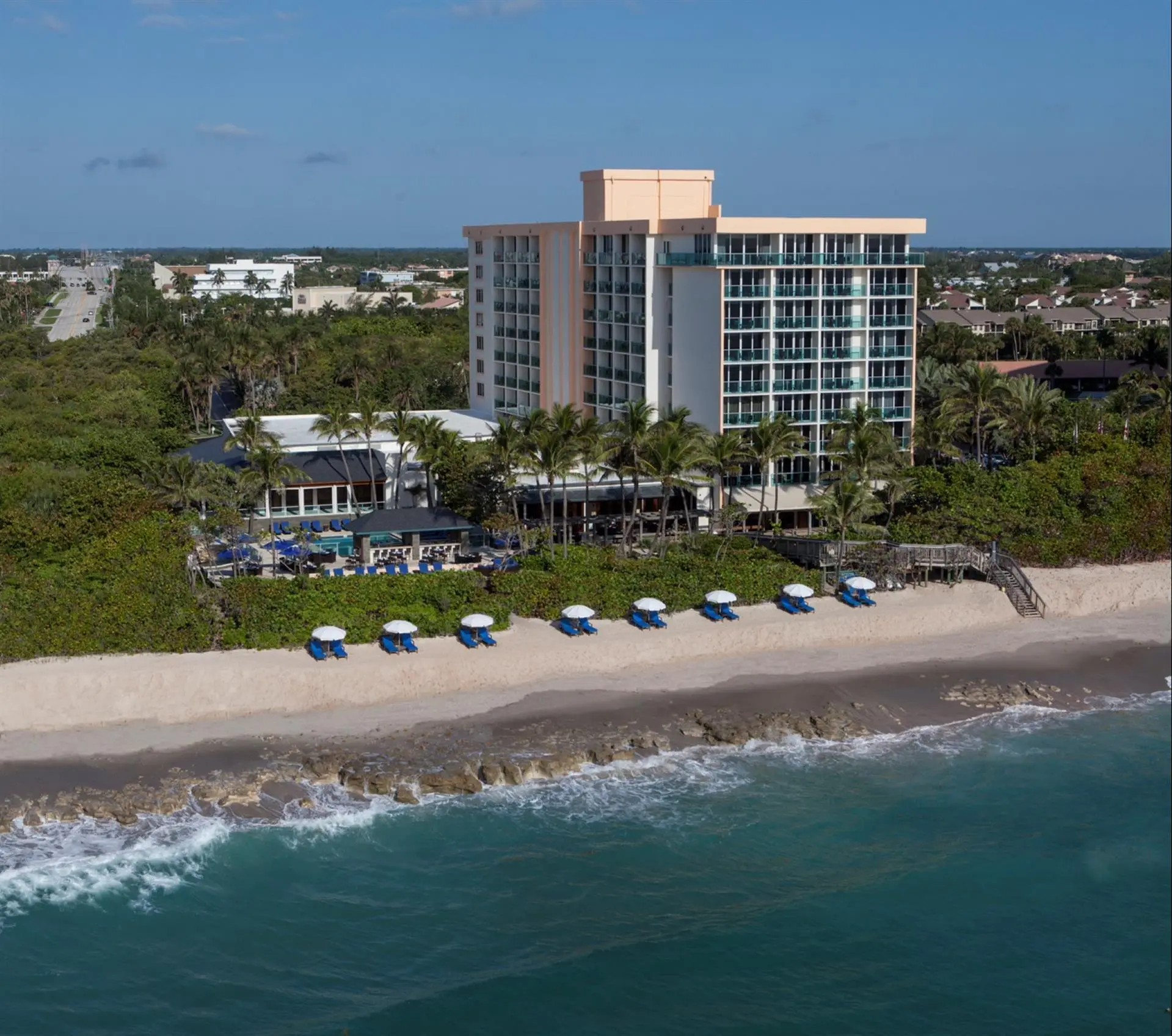
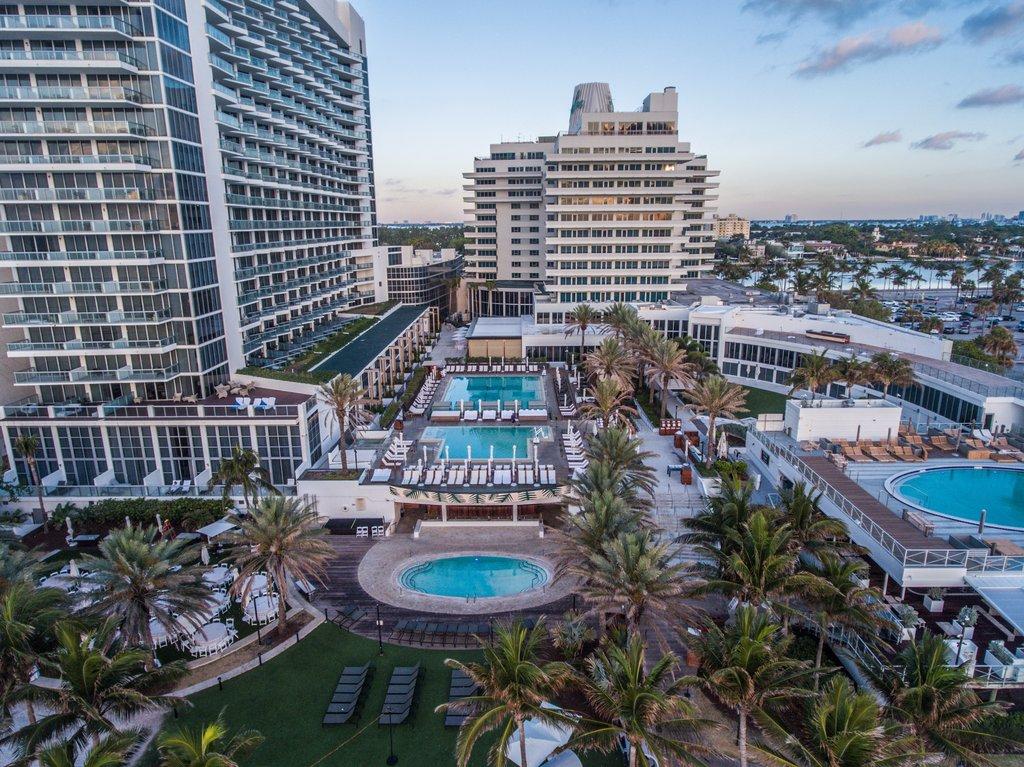
Offering a diverse setting for business, meeting and pleasure travel pursuits, the 41-story JW Marriott Marquis Miami features three concierge levels; 80,000-square-feet of total function space including a 20,000 sq. ft. Grand Ballroom; and one of the most unique indoor sports, lifestyle and entertainment complexes of any hotel in the U.S. The 50,000-square-foot, two-story indoor facility includes a NBA-approved basketball arena, tennis court, Mariano Bartolome indoor Golf School, virtual bowling alley, billiards, full-service enliven spa and salon and much more.
Détails du lieu
ChaîneMarriott Bonvoy
MarqueJW Marriott
Construit2010
Rénové-
Espace total de la réunion67 862 pi. ca.
Chambres d’invités313
Type de lieuHôtel
Classements de l'industrie
AAA
Northstar
Prix
Industry awards
Recognized with over 50 major industry awards in five years including:
Eastern Region JW Marriott of the Year
Platinum Choice Award, Smart Meetings
Pinnacle Award, Successful Meetings
Top 15 Hotels in Florida, Conde Nast Traveler
500 Best Hotels in the World, Travel + Leisure
As well as numerous conservation, energy efficiency and sustainability awards.
Points forts du lieu
3D Event Space
Cvent Photo-realistic 3D Event Spaces give planners the ability to realize their vision down to the finest detail.
Cvent's 2025 Top Meeting Hotels
See Cvent's full list of 2025 Top Meeting Hotels
Commodités
Caractéristiques des chambres et services aux clients
Appels (locaux)
Appels (sans frais)
Boîte vocale
Service de blanchisserie
Service de chambre
Services de conciergerie
Stockage des bagages
Vue (Océan ou mer)
Vue (Ville)
Installations
Accessible aux fauteuils roulants
Boutique de cadeaux sur place
Espace (extérieur)
Espace (privé)
Espace (semi-privé)
Restaurant sur place
Restauration sur place
Sécurité sur place
Service de location de voitures
Services commerciaux
Capacités audiovisuelles
Centre d’affaires
Services VIP
Vidéoconférence
Activités de loisirs
Club de sport
Jacuzzi
Piscine extérieure
Spa ou salon
Terrain de golf sur place
Transport
Bus
Navette aéroport
Taxi
Train
Équipement
Murs portables
Piste de danse
Quai de chargement
Scène
Caractéristiques des chambres et services aux clients
Appels (locaux)
Appels (sans frais)
Boîte vocale
Service de blanchisserie
Service de chambre
Services de conciergerie
Stockage des bagages
Vue (Océan ou mer)
Vue (Ville)
Installations
Accessible aux fauteuils roulants
Boutique de cadeaux sur place
Espace (extérieur)
Espace (privé)
Espace (semi-privé)
Restaurant sur place
Restauration sur place
Sécurité sur place
Service de location de voitures
Seasonal Availability
Do you want to know if your event is during the high or low season? Check the season availability for this hotel.
The Wynwood Arts District is home to over 70 Art Galleries, Retail Stores, Antique Shops, Eclectic Bars, and one of the largest open-air street-art installations in the world.
The Wynwood Arts District Association has been legally operating since 2009 for the well-being and improvement of the Wynwood Arts District, one of the largest and most prominent creative communities in the United States.
Taking over what used to be the warehouse and manufacturing district of Greater Miami, developers have rehabilitated neglected warehouses, shuttered factories, and other unused buildings, transforming them into the numerous art complexes, galleries, performing art spaces, restaurants, cafes, and other creative businesses that are seen here today.
With the introduction of the Second Saturday Art Walk in the District and the arrival of the Art Basel fair in 2002, Wynwood has seen some unexpected growth in a relatively short period of time as it gets more and more attention by the locals as the go-to place for an alternative and more cultural nightlife in the City of Miami.
Though the influence and relevance of the arts community in Wynwood is undeniable, new, creative businesses of all types are opening their doors in the District and encountering success here.
The Pérez Art Museum Miami (PAMM) is a contemporary art museum that relocated in 2013 to the Museum Park in Downtown Miami, Florida. Founded in 1984 as the Center for the Fine Arts, it became known as the Miami Art Museum from 1996 until it was renamed in 2013 upon the opening its new building designed by Herzog & de Meuron at 1103 Biscayne Boulevard. PAMM, along with the $275 million Patricia Frost Museum of Science and a city park which are being built in the area with completion scheduled for 2015, is part of the 20-acre Museum Park (formerly Bicentennial Park).
Bayside Marketplace is a festival marketplace in Downtown Miami, Florida. It is located between the Bayfront Park to the south end, and the American Airlines Arena to the north. As Bayside's name suggests, it wraps along the banks of the Biscayne Bay.
The entertainment complex opened in 1987, during a major real estate boom in Miami. Instead of being planned to revitalize a specific area as its sister properties had, Bayside complements an existing marina. The shopping center was frequently featured on the crime drama TV series, Miami Vice.
The center attracts fifteen million people on average annually. It is served by the Metrorail at the Government Center, and directly by the Metromover at College/Bayside station.
Chicago-based General Growth Properties manages and owns Bayside Marketplace.
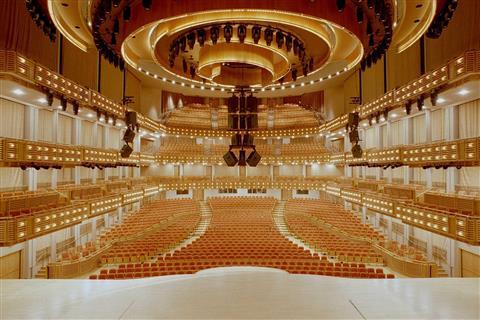
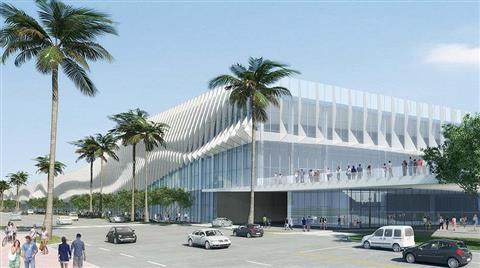
The award-winning Miami Beach Convention Center (MBCC) welcomes meeting and event planners, exhibitors and attendees to Miami Beach and Miami. Reimagined following a $640-million-dollar renovation, the MBCC provides a world-class, state-of-the-art event venue for exceptional conferences, conventions, tradeshows, and meetings.
A LEED Silver certified green building, the venue includes a magnificent Grand Ballroom, 500,000 square feet of flexible exhibition halls, 4 junior ballrooms, outdoor terraces & parks, and 84 breakout rooms. The MBCC’s immediate proximity to lively South Beach, Lincoln Road, Ocean Drive, and many other Miami Beach cultural arts attractions make it an ideal venue for your next event.
Crandon Park is a 808-acre (3.27 km2) urban park in metropolitan Miami, occupying the northern part of Key Biscayne. It is connected to mainland Miami via the Rickenbacker Causeway.The park is more than 800 acres (325 hectares) in size, and has two miles (3.2 kilometers) of beach on the Atlantic Ocean side. Crandon Boulevard extends from the end of the Rickenbacker Causeway through the length of the park, providing access to the Village of Key Biscayne and Bill Baggs Cape Florida State Park.
The park has a variety of facilities, including a marina, a golf course, the Tennis Center at Crandon Park, a family amusement center, picnic shelters and a nature center. There is parking for more than 3,000 vehicles in the park. Part of the park is set aside as the Bear Cut Preserve, a designated natural Environment Study Area. Guided tours through the preserve are available.
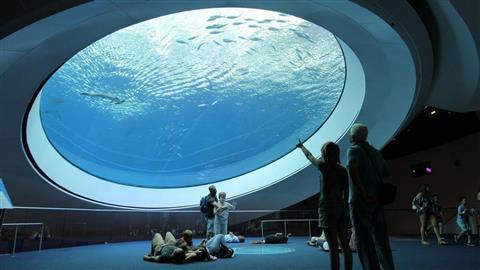
The Phillip and Patricia Frost Museum of Science is a leading science museum dedicated to sharing the power of science, sparking wonder and investigation, and fueling innovation for the future. Located in Downtown Miami’s waterfront Maurice A. Ferré Park, Frost Science is divided into four buildings: the Frost Planetarium, Aquarium, and North and West Wings. Here, guests can learn about the core science behind living systems, the solar system and known universe, the physics of flight, light and lasers, the biology of the human body and mind, and much more. Guests can explore the world of science, technology, engineering and math (STEM) in an experiential setting with interactive exhibitions and unique shows. Frost Science is also dedicated to education, earning national awards for its summer camps and after-school programs.
The Design District, historically a part of Buena Vista, is a neighborhood within the city of Miami, Florida, United States, south of Lemon City (Little Haiti). It is roughly bound by North 36 St (US 27) to the south, North 43rd Street to the north, West First Avenue to the west and Biscayne Boulevard to the east.[1]
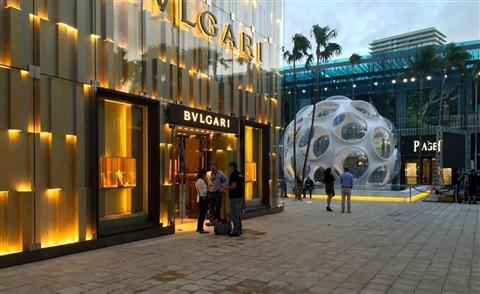
The Design District was made up primarily of old low-rise warehouses that have been converted into retail spaces, art galleries, restaurants and cafés, but now includes a large amount of new construction, primarily for high-end retail.[2] The Design District is in the crossroads of many prominent Miami neighborhoods, with the artsy Wynwood neighborhood to the south, Lemon City (Little Haiti) and the historic 1920s Buena Vista neighborhood to the north, and the wealthy Upper East Side neighborhoods to the east. After decades of falling to urban decay, the Design District has risen to fame as a destination for the arts, design, and fashion.
It is home to over 130 art galleries, showrooms, creative services, architecture firms, luxury fashion stores, antiques dealers, eateries and bars.
Miami Beach, a slender, nine-mile-long barrier island along the Atlantic Ocean, is divided into three distinct neighborhoods. South Beach – from South Pointe Park north to 23rd Street – is the most famous of the trio, home to sandy strands, swaying palms and the pastel-colored Art Deco buildings that have become synonymous with this iconic destination and render it so undeniably photogenic.
If you’re not staying in South Beach, the Venetian Causeway and the MacArthur Causeway are scenic routes connecting to the mainland, offering stunning views of palatial waterfront homes. Already in South Beach? Slip on your sneakers or rent a CitiBike and join locals at sunrise or sunset for a run or ride on the waterfront path.
Most visitors make a beeline for Lincoln Road, and rightly so. The mile-long pedestrian thoroughfare boasts brand-name stores and independent boutiques, an array of restaurants, street entertainment and superb people-watching. A few blocks south, you’ll find similar diversions at charming Española Way, another pedestrian-only street with Mediterranean Revival architecture evoking quaint villages in Spain and France.
Right next to Española Way is Washington Avenue. Art and design buffs will find inspiration in the world-class collection at the Wolfsonian–FIU museum. From here, it’s just a few minutes’ walk to Ocean Drive, where hotels and restaurants in iconic Art Deco buildings preside over a broad, palm-fringed beach. Guided architectural walking tours start at the Art Deco Welcome Center at Ocean Drive and 10th Street.
The beach is, of course, the neighborhood’s biggest draw, so spread a towel on the sand and enjoy ocean breezes and sun, year-round. Beachfront green spaces like Lummus Park and South Pointe Park (at the island’s tip) deliver the best of both worlds – land and sea – and the opportunity to enjoy this quintessential Miami Beach scene.
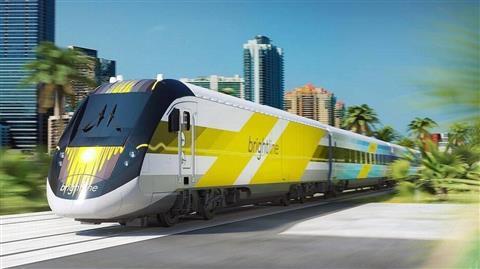
This is the forefront of elevated travel between South Florida and Orlando. Brightline connects you to Florida’s most exciting destinations. Enjoy comfortable, sustainable train service between Miami and Orlando — with stops in Aventura, Fort Lauderdale, Boca Raton, and West Palm Beach. Skip the drive, skip the flight, and ride brighter.
The Metromover, a free elevated people mover system that operates seven days a week in the downtown Miami, Omni, and Brickell areas. Major destinations include the Kaseya Center, home of the Miami HEAT, Bayside Marketplace, Miami Dade College, and the Miami-Dade County School Board.
Metromover services 21 stations from the Financial District Station in Brickell to the School Board Station in the Omni area. The entire system is subdivided into three separate loops to provide more efficient and better connections. The three loops are the Onmi Loop, Inner Loop, and Brickell Loop. Riders are encouraged to become familiar with the various destinations and important connections within each loop.
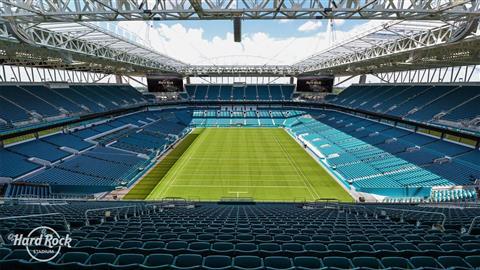
Hard Rock Stadium, located in Miami Gardens, has been the home for University of Miami Hurricanes Football since 2008. Inaugurated in 1987 as Joe Robbie Stadium, Hard Rock Stadium is the annual site for various events that including Miami Hurricanes football, Miami Dolphins football and the Orange Bowl. It has also hosted six Super Bowls (XXIII, XXXIII, XLI, XLIV and LIV), two Worlds Series (1997, 2003), four BCS National Championship Games (2001, 2005, 2009 and 2013), a 2015 and 2018 College Football Playoff Semifinal and the 2010 Pro Bowl. Aside from sporting events, the stadium also hosts some of the most popular musical artists including Justin Timberlake, Jay Z, Madonna, Pharrell Williams and The Black Eyes Peas.
Miami’s Kaseya Center is an international, versatile venue in a vibrant waterfront setting that showcases world-class and sophisticated events. Located in Downtown Miami on the waterfront of Biscayne Bay, the Kaseya Center is positioned between the skyline of the city, the beautiful beaches and the nightlife of South Beach.
Located in the center of booming Downtown Miami and the Entertainment District, Kaseya Center hosts 80+ non-basketball events each year. Including A-list concerts, family shows, sporting events, National Conferences, and more.
The HEAT Group has always been committed to making Kaseya Center the premier sports and entertainment venue in South Florida, adding state-of-the-art technology and investing in cutting-edge renovations and additions over its 15-year history.
Immerse yourself in South Florida’s largest lifestyle center yet, spanning 5.4 million square feet. It’s a vibrant hub filled with visual delights, culinary creativity, and luxurious retail offerings.
Discover est un réseau de fournisseurs de confiance pour tous vos besoins événementiels, des hôtels et restaurants aux lieux, activités et bien plus encore.
Découvrez les questions fréquemment posées par JW Marriott Marquis Miami en matière de santé et de sécurité, de développement durable et de diversité et d'inclusion.
Pratiques durables
Veuillez indiquer vos commentaires ou un lien vers tout objectif/stratégie de développement durable ou d'impact social de JW Marriott Marquis Miami communiqué publiquement.
Please visit Marriott.com/Serve360 for Marriott International's sustainability & social impact strategy and 2025 goals information.
JW Marriott Marquis Miami a-t-il une stratégie axée sur l'élimination et le détournement des déchets (plastiques, papiers, cartons, etc.)? Si oui, veuillez préciser votre stratégie d'élimination et de détournement des déchets.
Pour les hôtels américains uniquement, JW Marriott Marquis Miami et/ou sa société mère sont-ils certifiés en tant qu'entreprise commerciale détenue à 51 % par des personnes issues de la diversité? Si oui, veuillez indiquer les catégories pour lesquelles vous êtes certifiés :
Aucune réponse.
S'il y a lieu, pourriez-vous indiquer un lien vers le rapport public de JW Marriott Marquis Miami sur ses initiatives et engagements en matière de diversité, d'équité et d'inclusion?
Les pratiques du JW Marriott Marquis Miami ont-elles été élaborées sur la base de recommandations de services de santé émanant d'organismes publics ou privés? Si oui, veuillez indiquer quelles organisations ont été utilisées pour élaborer ces pratiques.
Yes, Marriott cares greatly about every guest's experience and takes hygiene and sanitation very seriously. Marriott has established strict standards of cleanliness for all of its hotels that either meet or exceed public health department regulations.
JW Marriott Marquis Miami nettoie-t-il et désinfecte-t-il les zones publiques et les installations accessibles au public (comme les salles de réunion, les restaurants, les ascenseurs, etc.) Si oui, décrivez les nouvelles mesures prises.
Yes, Marriott cares greatly about every guest's experience and takes hygiene and sanitation very seriously. Marriott has established strict standards of cleanliness for all of its hotels that either meet or exceed public health department regulations.
Please explain, if applicable, the carbon offsetting options you offer to corporations.
The corporate sustainability team can help to offset customers' carbon footprints by contacting Sustainability@marriott.com.
Please provide, if applicable, an e-mail address for a contact who can address any follow up questions relating to sustainability and social impact goals and initiatives.
sustainability@marriott.com
Has your hotel taken steps to reduce single-use plastics, such as removing plastic straws (except upon request for guests with disabilities), stirrers and cotton buds? If yes, please provide detail as to the steps you have taken to reduce single use plastics?
Yes, Eliminated straws; provide bottled water and other bottled beverage alternatives; implemented large format bath amenities
Does your hotel generate (onsite) or purchase (offsite) renewable energy (beyond your utility's standard offerings)? If yes, please describe your practices for generating or purchasing renewable energy.
Does your hotel engage in activities to protect & restore the natural environment in which it is located (i.e. trees planted, coral reef restored, etc.)?
Will your hotel be imposing any additional fees for cleaning services? If yes, please specify those fees.
No
Are specific cleaning/disinfection routines in place for pillows, duvets and their covers, headboard, bathrobe etc.? If yes, please describe.
Yes, Hotels following MI Cleaning Protocals
Please include a link to your public report on community impact if applicable.
Please visit Marriott.com/Serve360 for the latest progress on Marriott International's community engagement efforts.
Please provide any other comments you wish to make regarding your efforts/initiatives to obtain certification in these programs.