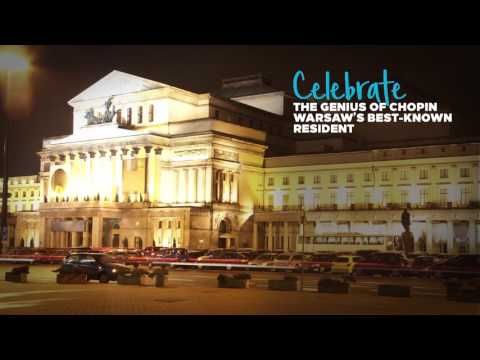
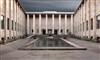
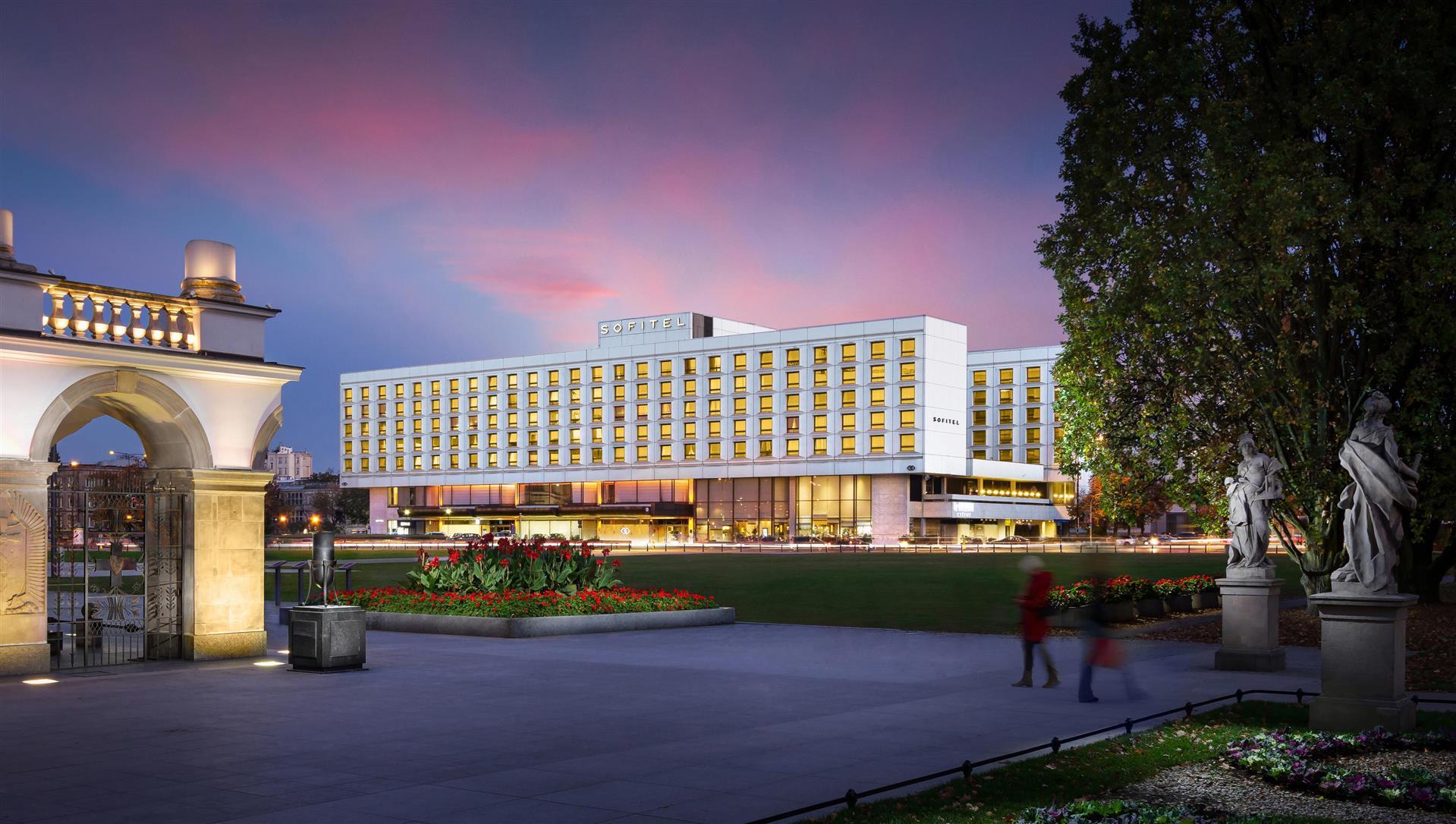
Welcome to Hilton Warsaw City in the capital of Poland, just 25 minutes by foot from the historic Old Town and only 20 minutes by car from Warsaw Frederic Chopin Airport. The hotel is perfectly situated within walking distance of restaurants and shops, and puts leisure and business travellers within easy reach of attractions like the Royal Castle, the Palace of Culture and Science, the Copernicus Science Centre, the Fryderyk Chopin Museum, the Warsaw Rising Museum and the beautiful Lazienki Park. The conference hotel houses state-of-the-art event space suited to weddings, international exhibitions, business meetings, workshops, seminars, banquets and private galas. Host an elegant party at the stunning Warsaw Hall venue, taste fine dining at Meza restaurant, or enjoy a visit to the Stellar Premium Fitness Club with large indoor swimming pool, whirlpool and sauna.
- Relax in our Executive Lounge, offering complementary refreshments and a stunning view on our thriving business district located on our 26th floor
- Enjoy a drink in our Pistaccio Lobby Bar or during Summer on our Piazza Terrace
- Discover Polish and International cuisine at Meza Restaurant
- Taste some sweets at Mazovia pastry shop
Информация по месту проведения
СетьHilton
БрендHilton Hotels
Построен2006
Реновировано2007
Общая площадь для встречи25 898 кв. футов
Номера для гостей314
Тип места проведенияОтель
Отраслевые рейтинги
Northstar
AAA
Награды
Награда Cvent
Награды индустрии
Great Place To Work Poland 2025
Top Brand 2024 in the category of hotels
Nominated by World Travel Awards for Poland’s Leading Conference Hotel 2024
Информация по безопасности
Cvent's 2025 Top Meeting Hotels
See Cvent's full list of 2025 Top Meeting Hotels
Удобства
Удобства в номере и обслуживание гостей
Доступ к Интернет
Обслуживание номеров
Прачечная
Услуги консьержа
Хранение багажа
Помещения
Доступ для инвалидных колясок
Обеспечение безопасности
Площади (на улице)
Помещения (полузакрытые)
Помещения (приватные)
Разрешены домашние животные
Расширенное пребывание
Ресторан на территории
Бизнес-услуги
Бизнес-центр
Видео-конференция
Отдых и развлечения
Spa или салон красоты
Бассейн в закрытом помещении
Джакузи
Оздоровительный клуб
Открытый бассейн
Теннисный корт
Транспорт
Автобус
Поезд
Станция метро
Такси
Оборудование
Загрузочный док
Область со сценой
Танцевальная площадка
Удобства в номере и обслуживание гостей
Доступ к Интернет
Обслуживание номеров
Прачечная
Услуги консьержа
Хранение багажа
Помещения
Доступ для инвалидных колясок
Обеспечение безопасности
Площади (на улице)
Помещения (полузакрытые)
Помещения (приватные)
Разрешены домашние животные
Расширенное пребывание
Ресторан на территории
Бизнес-услуги
Бизнес-центр
Видео-конференция
Устойчивое развитие
Это место имеет проверенные сертификаты устойчивого развития, основанные на данных сертификации, предоставленных BeCause в сотрудничестве с Cvent.
Сертификаты (4)
ISO 50001:2018
Орган по сертификации:DEKRA Certification, Inc.
Срок действия до: 25.09.2026
Green Key (FEE)
Орган по сертификации:FDEE
Выдан: 23.04.2025 • Срок действия до: 23.04.2026
ISO 14001:2015
Орган по сертификации:DEKRA Certification, Inc.
Срок действия до: 25.09.2026
ISO 9001:2015
Орган по сертификации:DEKRA Certification, Inc.
Срок действия до: 25.09.2026
Необходимы даты
Приоритетные окна, которые места проведения предпочитают для проведения мероприятий
1 февр. 2026 г. - 13 февр. 2026 г.
30 апр. 2026 г. - 16 мая 2026 г.
21 июн. 2026 г. - 3 июл. 2026 г.
5 авг. 2026 г. - 20 авг. 2026 г.
1 февр. 2026 г. - 13 февр. 2026 г.
30 апр. 2026 г. - 16 мая 2026 г.
21 июн. 2026 г. - 3 июл. 2026 г.
5 авг. 2026 г. - 20 авг. 2026 г.
1 февр. 2026 г. - 13 февр. 2026 г.
30 апр. 2026 г. - 16 мая 2026 г.
21 июн. 2026 г. - 3 июл. 2026 г.
5 авг. 2026 г. - 20 авг. 2026 г.
1 февр. 2026 г. - 13 февр. 2026 г.
30 апр. 2026 г. - 16 мая 2026 г.
21 июн. 2026 г. - 3 июл. 2026 г.
5 авг. 2026 г. - 20 авг. 2026 г.
Сезонная доступность
Согласуйте даты проведения вашего мероприятия с наличием мест в этом отеле. Низкий сезон, как правило, имеет лучшую доступность.
Найдите идеальное помещение с помощью схемы конфигурации помещения и интерактивных 3D-планов этажей.
Помещение для встречи
Название
Размер комнаты
Высота потолков
Максимальная вместимость
U-образная рассадка
Банкетные круглые столы
Коктейльные круглые столы
Театр
Класс
Конференц-зал
Квадрат
Warsaw Hall
15 184 кв. футов 104 x 146 кв. футов
16 футов
1600
-
1080
1500
1600
994
-
-
Warsaw Hall Sector I + II + III
10 712 кв. футов 104 x 103 кв. футов
16 футов
1050
-
630
1050
1000
660
-
-
Warsaw Hall Sector IV + V
4 576 кв. футов 104 x 44 кв. футов
16 футов
450
-
288
450
430
300
-
-
Warsaw Hall Sector III
2 288 кв. футов 52 x 44 кв. футов
16 футов
220
-
120
220
220
140
50
-
Hilton Meeting Room 4
338 кв. футов 26 x 13 кв. футов
10 футов
25
-
-
25
23
18
16
-
Hilton Meeting Room 6
312 кв. футов 24 x 13 кв. футов
10 футов
25
-
-
25
25
18
16
-
Hilton Meeting Room 3
338 кв. футов 26 x 13 кв. футов
10 футов
25
-
-
25
22
16
16
-
Hilton Meeting Room 9
595 кв. футов 35 x 17 кв. футов
10 футов
42
27
30
-
42
32
22
30
Warsaw Hall Sector V
2 288 кв. футов 52 x 44 кв. футов
16 футов
220
-
120
220
220
140
50
-
Номера для гостей
Общее количество номеров для гостей
314
На двоих (2 кровати)
94
Номера больше стандартного номера (сюиты)
11
Ставка налога
8%
Общее количество номеров для гостей
314
На двоих (2 кровати)
94
Номера больше стандартного номера (сюиты)
11
Ставка налога
8%
Местонахождение
Как добраться
Расстояние от аэропорта
4.97 миля
Distance from airport 4.97 mi
Парковка в районе
Парковка в районе
Платная парковка
Местные объекты туристского интереса
Lotnisko Chopina Warszawa - Airport (WAW)
Аэропорт
5 мили
Main Airport
Żwirki i Wigury 1
Warszawa 02-143
Fabryka Norblina
Отдых и развлечения
6 мин
Fabryka Norblina is a historic industrial complex in Warsaw, Poland, originally a factory producing metal goods and machinery. It has been revitalized into a modern mixed-use space featuring offices, shops, restaurants, and cultural venues, blending heritage architecture with contemporary design.
The Palace of Culture and Science is the highest building in Poland. It has over 3000 rooms.
The big attraction is a large terrace on the 30th floor of the Palace.
The Palace of Culture and Science was built between 1952 and 1955; it was a "gift of the Soviet people to the Polish nation", offered by Joseph Stalin himself. The architect was Lew Rudniew. The Palace is the highest building in Poland, standing at 230.5 m (which is 42 floors) with an area of 817,000 m2 and has over 3,000 rooms, including offices, institution headquarters and the Polish Academy of Sciences. Moreover, the Palace has a post office, cinema, swimming pool, museums, libraries and theaters. The palace is one of the largest conference facilities in Warsaw, comfortably accommodating more than 4,500 participants at a time, at dozens of meetings and training conferences annually.
The Congress Hall (Sala Kongresowa) and Concert Hall (Sala Koncertowa) are without a doubt among the most important concert halls in Poland. The former is by far the bigger of the two: it can accommodate up to 2,880 persons, while the second holds only 550 people, but is now one of the best-equipped in the country in terms of modern technology. The Congress Hall has seen numerous prestigious acts of guest artists over the years, such as Marlene Dietrich, Procol Harum, Bruce Springsteen, Cesaria Evora, The Rolling Stones, Woody Allen with his band and many other international artists. It has been known for many years now as the home of jazz in Poland.
The big attraction for tourists and residents is the 'trzydziestka', a large terrace on the 30th floor of the Palace (at a height of 114 m), where you can admire the gorgeous panorama of Warsaw. On New Year’s Eve, 2000, the Palace of Culture and Science unveiled the second-largest clock in Europe: its four discs are each 6 m in diameter, and it is highest clock tower in the world.
Housed in Ostrogski Palace (Pałac Ostrogskich), strikingly situated on the Vistula escarpment, it is a baroque-classical jewel of a building. The Museum’s beginnings date back to the 1930s: in 1935, the Chopin Institute (as it was called then), founded by prominent representatives of culture, began to purchase and collect several valuable manuscripts from the composer’s relatives.
As such, the museum’s exhibits make up the world’s richest and most varied collection of memorabilia related to both Chopin as an individual, and his work. The collection includes manuscripts and printed copies of Chopin’s works, his correspondence, autographs, notes, works of art, personal items belonging to the composer and his piano. There are also some extremely valuable and moving exhibits on show, most notably the post-mortem face mask, and a cast of his hand.
The newly-opened museum in the renovated Ostrogski Palace is the most modern biographical museum in Europe. Multimedia exhibitions and touch screens – here the real world meets the virtual. The ticket to enter this magical world is an electronic card; by using it, one may hear commentary and information in several languages, and listen to music.
No matter if you are a tourist, a musicologist, or even a child – everyone will find something to interest them. This museum was specifically designed so that everyone can create their own sightseeing route and itinerary, in accordance with their personal interests.
The entire exhibition consists of 15 rooms, each one creating a separate ‘mini-museum’. You can thus see and experience how Chopin lived: take a stroll through Warsaw, then enjoy ‘his Paris’, listen to the twittering birds in Nohant, inhale the scent of violets – Chopin’s favourite flowers, meet some women from his life, sense when the composer was displeased, listen to his works… and finally, enter the room of death, which is designed as a big black box.
The BUW building was opened in December of 1999. This ultra-modern library consists of two buildings: the front lobby area (the so-called Rogal) and the main section. These two sections are connected by a small passage – almost a little street, actually – which is covered by a glass roof. Parts of the ground floor are rented by commercial institutions. The entrance of the library building proper is dominated by a large open book with the inscription 'Hinc Omnia'; the library itself consists of four floors. Guests and book-lovers have direct access to the main part of the library's bounty, which can be reached through the sides of the building – meaning that students occupying the central areas are not disturbed by visitors. The library offers all visitors unrestricted access to study desks; these may be small tables, individual work stations, or completely isolated small rooms, which can be rented for a few days or even a number of weeks.
Whilst in the library, drop by the Polish Poster Gallery (Galeria Plakatu Polskiego), which exhibits original post-war posters, some of which are very rare and valuable. The collection has about 7,000 pieces including movie, theater, entertainment and political posters. In the gallery you may first admire the originals, and then buy copies of posters by outstanding Polish graphic artists such as Henryk Tomaszewski, Andrzej Pągowski, Jan Lenica, Jan Młodożeniec, Franciszek Starowieyski and many, many others.
The biggest attraction is the BUW's roof garden, which spreads over an area of more than 1 hectare, making it one of the largest and most beautiful roof gardens in Europe. The garden is open to the general public (although it is enclosed) and is the perfect resting place not only for students or researchers, but also for Warsaw residents and tourists. The garden consists of two parts: the upper area is 2,000 m2, and the lower area is 15,000 m2, linked by a fountain of cascading water. Plant-lovers will find much to admire, and those looking for a great view of the city will not be disappointed: from the deck, you get a sweeping view of Warsaw, the Vistula river and the Świętokrzyski Bridge. The garden’s visitors can also see directly inside the library through special windows, or the glass roof itself.
There are various clubbing venues in close proximity of the Hotel
Warsaw, PL
Warsaw Rising Museum
Музей
3 мин
Museum located in former trams power station was open for public on the 60th anniversary of Warsaw Uprising. One of the main attractions is a replica of the bomber Liberator B-24J.
The Warsaw Rising Museum is one of the most visited places in Warsaw. Opened on the 60th anniversary of the outbreak of fighting in the city, it is a tribute to those who fought and died for a free Poland and its capital. The exhibition shows the struggle of everyday life before and during the Warsaw Uprising and the horror of occupation – which was a complex international situation – to the post-war communist terror and the fate of insurgents in the PRL. Images and sounds present the days prior to the outbreak of the Uprising, its subsequent phases, as well as the insurgents’ exit and their subsequent fate. With an area of over 3,000 meters, there are nearly 1,000 exhibits and 1,500 photographs and films.
The heart of the Museum is a steel monument, passing through all the floors of the building. On its walls is engraved the Uprising's calendar of events, and the sound of a heartbeat which can be heard from inside symbolizes the life of Warsaw in 1944. A special attraction is the Museum tower, with a beautiful view of Warsaw and Freedom Park with the Memorial Wall, on which are engraved the names of more than 10,000 insurgents who died during battle. In the central part of the wall the ‘Monter’ bell is hung: weighing 230 kg, it is dedicated to General Antoni Chruściel.
From August 1st, visitors can see the 3D movie ‘The City of Ruins’. It is the simulation of the Liberator plane flights over destroyed Warsaw in 1945.
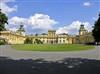
One of the most precious monuments of Polish Baroque built for King Jan III Sobieski. The garden is the 'frame' of Palace.
The Wilanów Palace is one of the most precious monuments of Polish Baroque. Built for King Jan III Sobieski at the end of the 17th century and gradually expanded by successive owners, it represents an unusual combination of a traditional Polish court with an Italian rural villa and a French chateau. The interiors of the palace, with their original design and decadent furniture, represent three style eras. The oldest, Baroque royal apartments are located in the main building, while the south wing represents an 18th century style and the more modern rooms, decorated by the Potocki family in the 19th century, are in the northern wing. The Crimson Hall, the Cabinet of the Etruscans, the Lapidary and the pre-Gallery Cabinet are all part of the historical museum founded in 1805.
The first floor houses the Polish Portrait Gallery of Works from the 16th to the 19th centuries, with portraits of kings, representatives of great aristocratic families, distinguished Poles and cultural figures. Among them, characteristic Polish coffin portraits and Sarmatian Counterfeits are also displayed.
The two-level garden is the 'frame' of Wilanów Palace, and somehow manages to combine a stylish Baroque garden, a romantic English-Chinese park, an English landscape park and a neo-Renaissance garden into a stylish and harmonious whole. The eastern part of the grounds are surrounded by a lake, the southern end of which has a cascading water feature, and the whole of the garden is decorated with sculptures, fountains and miniature samples of architecture.
Historic centre and oldest part of the city, it is also a living, breathing cultural salon. Founded in the 13th century as the prince's castle, it is surrounded by walls. During World War II, 90% of it was destroyed, but thanks to its excellent restoration and recovery, in 1980 it was granted the status of a UNESCO World Heritage Site of Culture. Currently, it is a lively place, bustling with tourists and locals, and full of galleries, cafés and restaurants.
Warsaw, PL
Royal Castle
Исторический памятник
2 мили
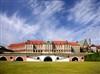
Built in the 13th century, this castle served as residence of Mazovian princes. Once the capital was moved to Warsaw from Krakow, the castle served as seat of the king and the government. The castle has been renovated repeatedly and destroyed completely during World War II. It was rebuilt between 1971-1988 using castle remains and rubble. Today, the segment with the clock tower opens the way to the Old Town. Museum attractions include two original Rembrandt paintings as well as works by Bernard Bellotto, aka Canaletto, court painter to Polish King Stanisław August Poniatowski. Canaletto’s paintings were vital during Warsaw’s post-war reconstruction.
On the Vistula side are the recently renovated Kubicki Arcades which support the foundations and the cliffs and give the structure its shape. Following the 1831 Uprising they were used as stables and barracks, and then as garages. The arcades are original, as they were not destroyed during World War II. Currently they house an archaeological exhibit and pension.
The largest art museum in Poland collected over a period of more than 140 years, collection is presented in the permanent galleries and number of temporary exhibitions.
The National Museum in Warsaw is the largest art museum in Poland. Collected over a period of more than 140 years, the objects total close to a million paintings, sculptures, prints, drawings, numismatics and objets d'art. A large part of the collection is presented in the following permanent galleries: Ancient Art, Eastern-Catholic Art, Medieval Art, Polish Painting, European Painting, 20th century Polish Art and Decorative Arts; and there are a huge number of temporary exhibitions on display.
One of the most important parts of the Museum is the Medieval Art Gallery, which is the only place in Europe which presents a collection of medieval Christian paintings from Africa. Paintings from Sudanese Nubia, discovered by Polish archaeologists and dating from the VIII to XIII-XIV centuries, depict the divine and holy people, and Nubian clergy and laity. Also notable is the Gallery of Polish Painting, presented in chronological order, showing the trends and styles in Polish painting from the 16th century to World War I, and including over 400 works of the greatest Polish artists - Marcello Bacciarelli, Jan Matejko, Józef Chełmonski, Józef Mehoffer, Jacek Malczewski and Olga Boznańska. Now the Museum has got its own impresive collections in which a enormous size painting (426 x 987 cm) 'Battle of Grunwald' by Jan Matejko is undoubtedly one of the main attractions.
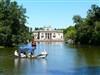
Łazienki Królewskie is a Palace-Garden complex the most beautiful planned area in Warsaw and one of the most beautiful in Europe, equally stunning in terms of its greenery and architecture.
Łazienki Królewskie Museum is a Palace-Garden complex which includes a park (76 hectares of nature, right in the city center) and numerous historical objects. The park was created using the formerly wildly growing forest, allowing the animals to be 'detained' under natural conditions. In the 18th century it became the most beautiful planned area in Warsaw and one of the most beautiful in Europe, equally stunning in terms of its greenery and architecture.
Łazienki performs a variety of functions: it is a museum, a place of cultural, scientific and entertainment events, and a favourite place for walks. It is also an important place for music lovers. For 50 years, at the foot of the world's most famous monument of Fryderyk Chopin, on Saturdays and Sundays during the summer, free piano concerts have been held, gathering crowds of tourists and music lovers.
The latest attraction of the capital - one of the most modern institutions of this kind in Europe.
Opened in November 2010, is one of the most modern institutions of this kind in Europe. Its mission is to arouse the curiosity, assisting in independent cognition of the world as well as inspiring social dialogues on scientific issues. Here, thanks to experiments some complicated nature phenomenon become easy to understand. Hundreds of attractions will be waiting for visitors. The undoubted attractions include: Elektrybałt (electric poet, machine composing poems – its precursor form was character from “The Cyberiad” story by Stanisław Lem), earthquake simulator, twister and magic carpet.
A roof garden will offer panorama terraces and the park around the centre artistic exhibits, an art gallery and a climbing wall.
The beach is several hundreds of meters long, and open only during summer; it sees loads of visitors due to numerous attractions: lawn chairs, wicker baskets, volleyball and badminton fields, and in the evening, concerts and DJ's. There is also the undeniable added charm of being able to get an unparalleled view of the Old Town, in all its splendor. On the Vistula River there are two other beaches, located on the Cypel Czerniakowski and Wał Miedzeszyński Street, which runs level with Kryniczna Street.
ul. Wybrzeze Helskie 1/5
Warsaw, PL
Praga District
Отдых и развлечения
3 мили
Through the centuries, Warsaw's right-bank – the area called Praga – was an independent town, and it became formally attached to Warsaw only in the late 18th century. For years it was a secondary part of the city that survived the devastation of war, with three different religions (Catholicism, Orthodoxy and Judaism) peacefully co-existing. Today it is a fascinating district, overflowing with artistic studios, galleries, alternative theaters and underground clubs. Thanks to this infusion of cool culture, many of the surviving post-industrial buildings have been turned into cultural centres, cinemas, galleries and pubs. But it is also in Praga that we can find many streets which were undamaged during World War II, and so there are some beautiful pre-war lamp-posts, sidewalks and apartment blocks.
Warsaw, PL
Koneser - old vodka factory
Отдых и развлечения
3 мили
This is a complex of red brick buildings from the late 19th century, in which, for over a hundred years, an alcohol factory was located. It is one of the most valuable examples of industrial architecture, as some of the buildings are inspired by Gothic influences (look at the front gate, which often makes visitors think of a castle with a small turret). Koneser is now a modern cultural center, with numerous cultural institutions based here: the Wytórnia Theatre, several art galleries (including the famous Luksfera Gallery and Klima Bocheńska Galleries), and with many events and concerts.
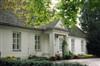
Fryderyk Chopin was born in the wing of Skarbek Family manor, in Żelazowa Wola (about 50 km west of Warsaw).
The wooden mansion burned down, and in the 1930s the outbuilding only was reconstructed, giving it the outward appearance of a romantic mansion. Every year – during the spring and summer – there are Sunday piano recitals held at the manor. The expansive pre-war park is currently being revitalised. In May 2010, two modern pavilions were opened; they consist of multimedia exhibits and attractions, concert halls, a small restaurant and café and a souvenir shop.
Concerts: held every Sunday, from May through September, at 12.00 and 15.00.
Ознакомьтесь с часто задаваемыми вопросами от Hilton Warsaw City о здоровье и безопасности, устойчивости, разнообразии и инклюзивности
Экологически ответственный
Пожалуйста, предоставьте комментарии или ссылку на любые публично сообщенные цели/стратегию устойчивого развития или социального воздействия Hilton Warsaw City.
Hilton has committed to cut our environmental footprint in half and double our social impact by 2030. Refer to our website, https://cr.hilton.com, for details on our award-winning Environmental, Social and Governance (ESG) programs.
Есть ли у Hilton Warsaw City стратегия, направленная на устранение и утилизацию отходов (например, пластика, бумаги, картона и т.д.)? Если да, то просьба представить подробную информацию о вашей стратегии ликвидации и перенаправления отходов.
Yes, Hilton has committed to reducing waste in our managed operations by 50% by 2030. Through the end of 2020, we have reduced waste in our managed portfolio by 73% since our 2008 baseline, and our managed and franchised hotels have reduced waste by 62%.
Многообразие и инклюзивность
Сертифицирована ли Hilton Warsaw City и/или материнская компания только для отелей США как предприятие, находящееся в диверсифицированной собственности (BE) на 51%? Если да, укажите, как вы сертифицированы:
Нет ответа.
Если применимо, не могли бы вы предоставить ссылку на публичный отчет Hilton Warsaw City об их обязательствах и инициативах, связанных с разнообразием, равенством и инклюзивностью?
Please refer to https://jobs.hilton.com/diversity and our annual Supplier Diversity Report (https://cr.hilton.com/wp-content/uploads/2021/03/Hilton-2020-Supplier-Diversity-Report.pdf).
Здоровье и безопасность
Были ли разработаны методы в Hilton Warsaw City на основе рекомендаций по оказанию медицинских услуг государственными правительственными учреждениями или частными организациями? В случае утвердительного ответа просьба указать, какие организации использовались для разработки такой практики.
Yes, CDC & WHO. Hilton CleanStay, a new industry-defining standard of cleanliness (https://newsroom.hilton.com/corporate/news/hilton-defining-new-standard-of-cleanliness) Hilton up to date customer messaging: https://www.hilton.com/en/corporate/coronavirus/
Очищает ли Hilton Warsaw City общественные места и общедоступные объекты (например, конференц-залы, рестораны, лифты и т. д.)? Если да, то просьба сообщить о любых новых мерах, которые принимаются.
Yes, Install hand sanitizer stations/disinfecting wipes in public areas & on shuttles; enhanced cleaning of high touch areas, lobbies, elevators, doors, bathrooms; F&B service in accordance with food safety guidelines, dining configured for physical distancing
Please explain, if applicable, the carbon offsetting options you offer to corporations.
Please provide, if applicable, an e-mail address for a contact who can address any follow up questions relating to sustainability and social impact goals and initiatives.
Corporate_Responsibility@Hilton.com
Has your hotel taken steps to reduce single-use plastics, such as removing plastic straws (except upon request for guests with disabilities), stirrers and cotton buds? If yes, please provide detail as to the steps you have taken to reduce single use plastics?
Yes, Hilton is committed to reducing waste across our portfolio. All of our hotels were required to remove plastic straws, stir sticks and cocktail picks in 2019, and we are currently transitioning from individual bath toiletries to full-size dispensers.
Does your hotel generate (onsite) or purchase (offsite) renewable energy (beyond your utility's standard offerings)? If yes, please describe your practices for generating or purchasing renewable energy.
No
Does your hotel engage in activities to protect & restore the natural environment in which it is located (i.e. trees planted, coral reef restored, etc.)?
Will your hotel be imposing any additional fees for cleaning services? If yes, please specify those fees.
No
Are specific cleaning/disinfection routines in place for pillows, duvets and their covers, headboard, bathrobe etc.? If yes, please describe.
Yes, Items are cleaned according to Hilton CleaStay standards
Please include a link to your public report on community impact if applicable.
https://cr.hilton.com, for details on our award-winning Environmental, Social and Governance programs. Also refer to https://hiltoneffect.org for information on our corporate foundation, through which we are investing in our local communities.
Please provide any other comments you wish to make regarding your efforts/initiatives to obtain certification in these programs.
N/A
Please provide, if applicable, an e-mail address for a contact who can address any follow up questions relating to diversity, equity, and inclusion.