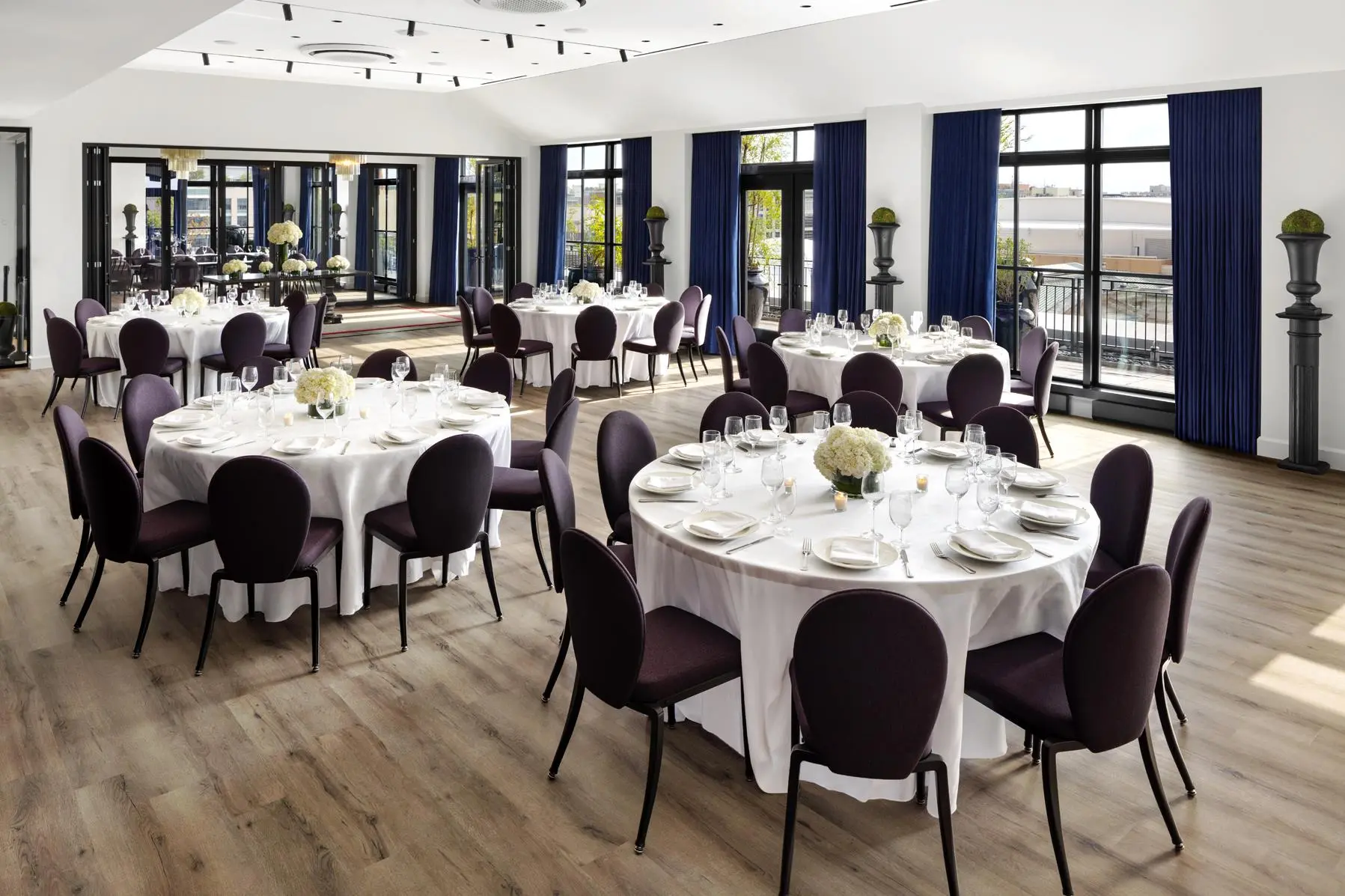
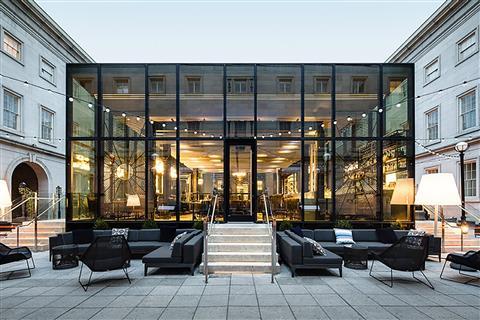
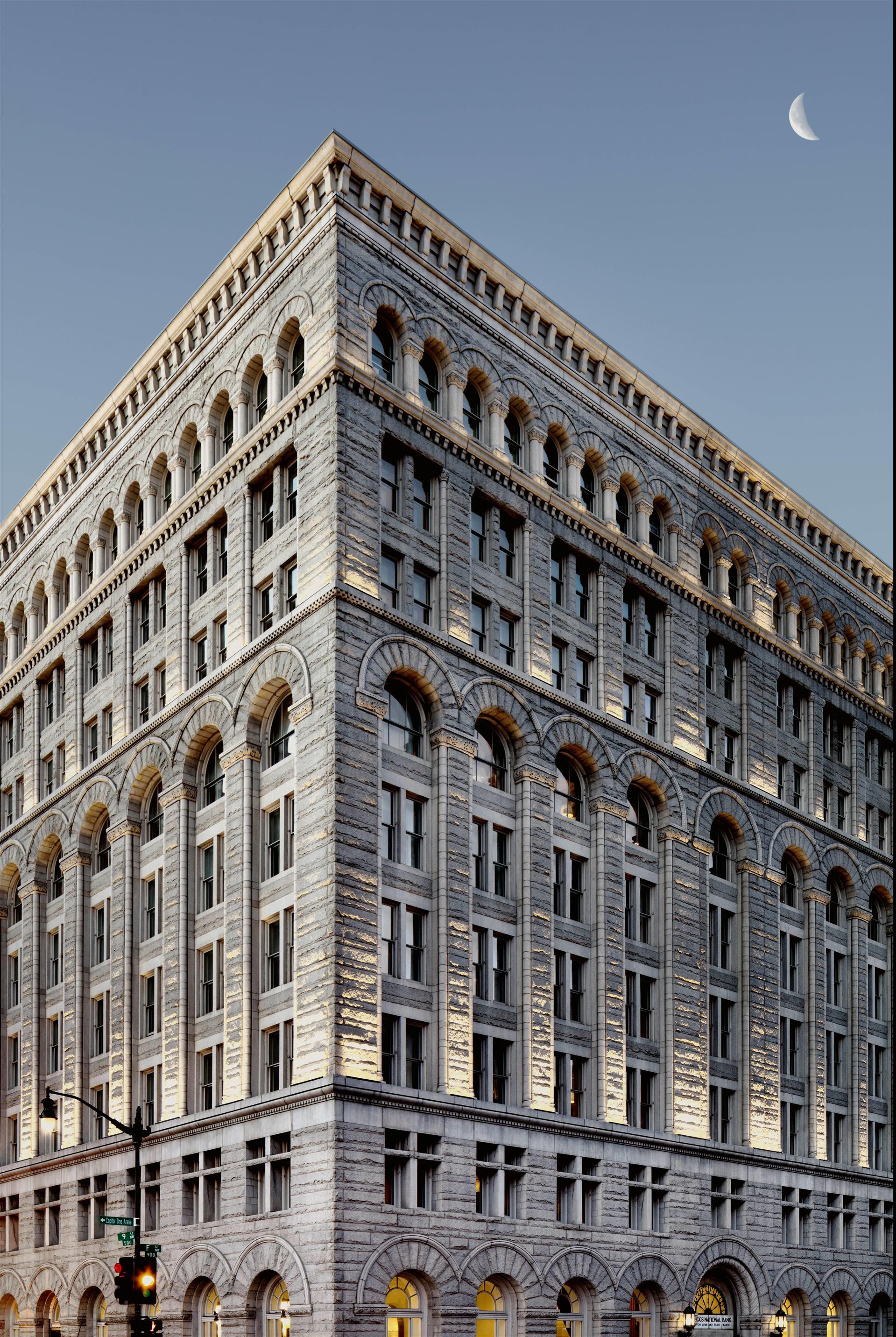
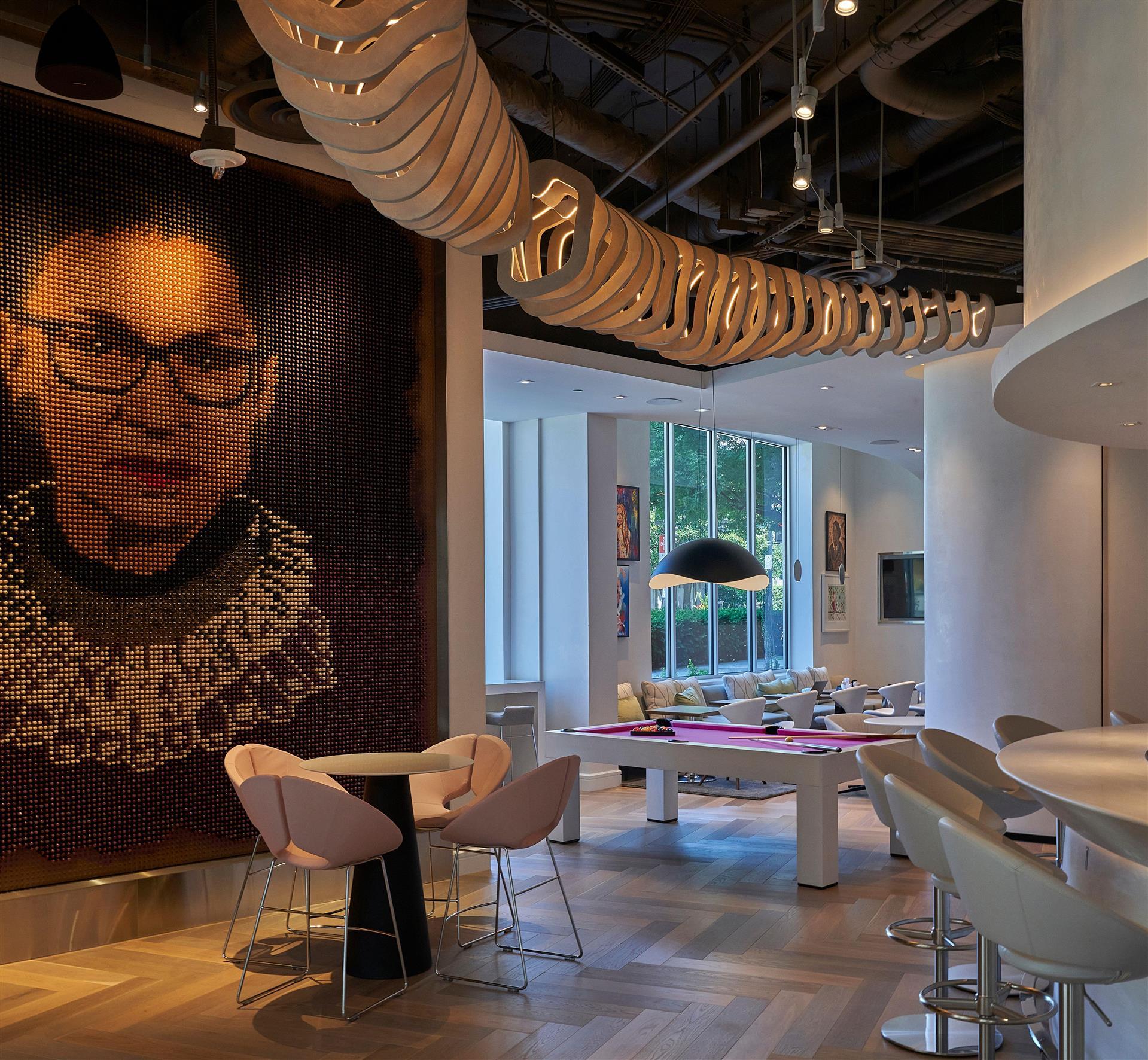
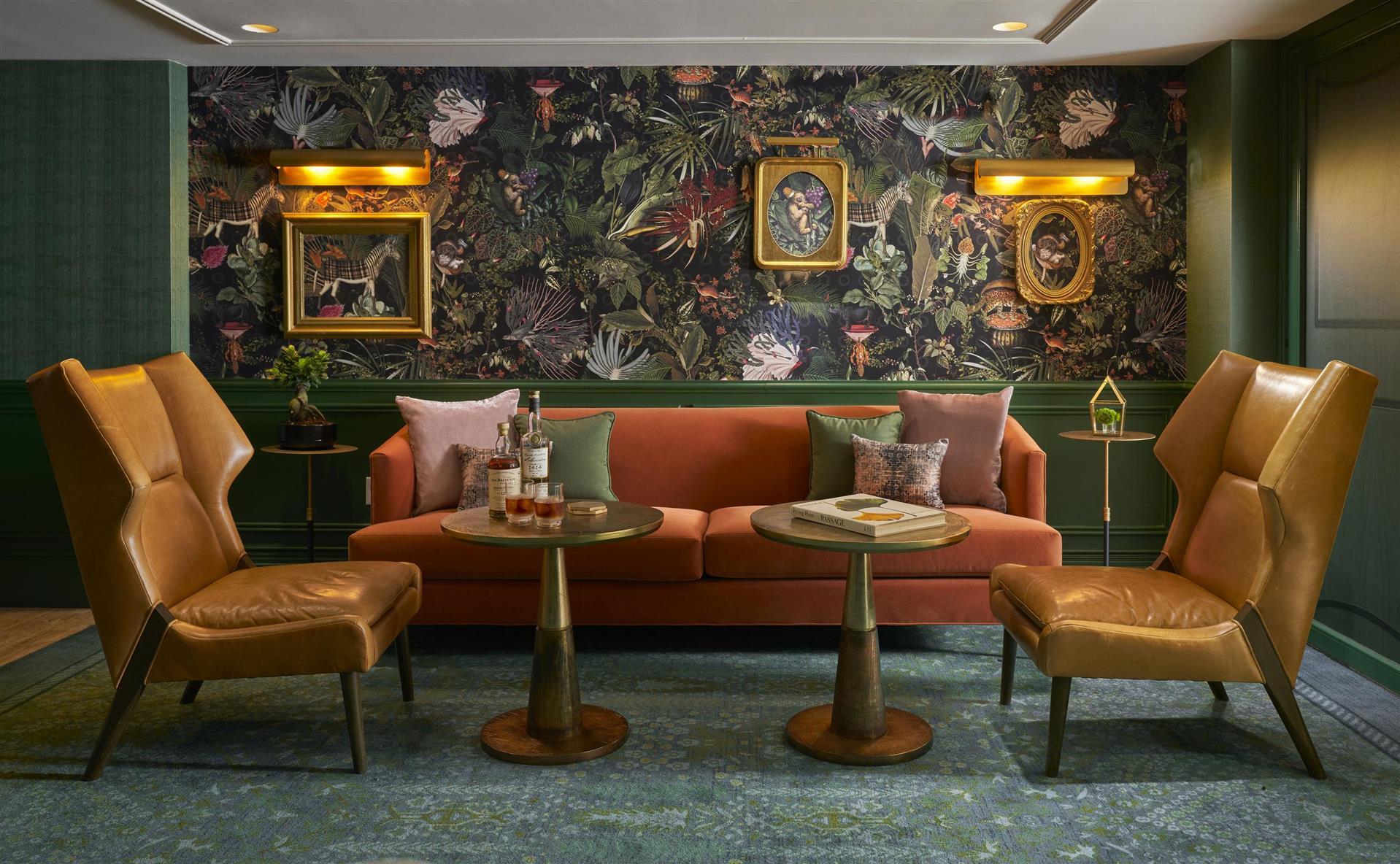
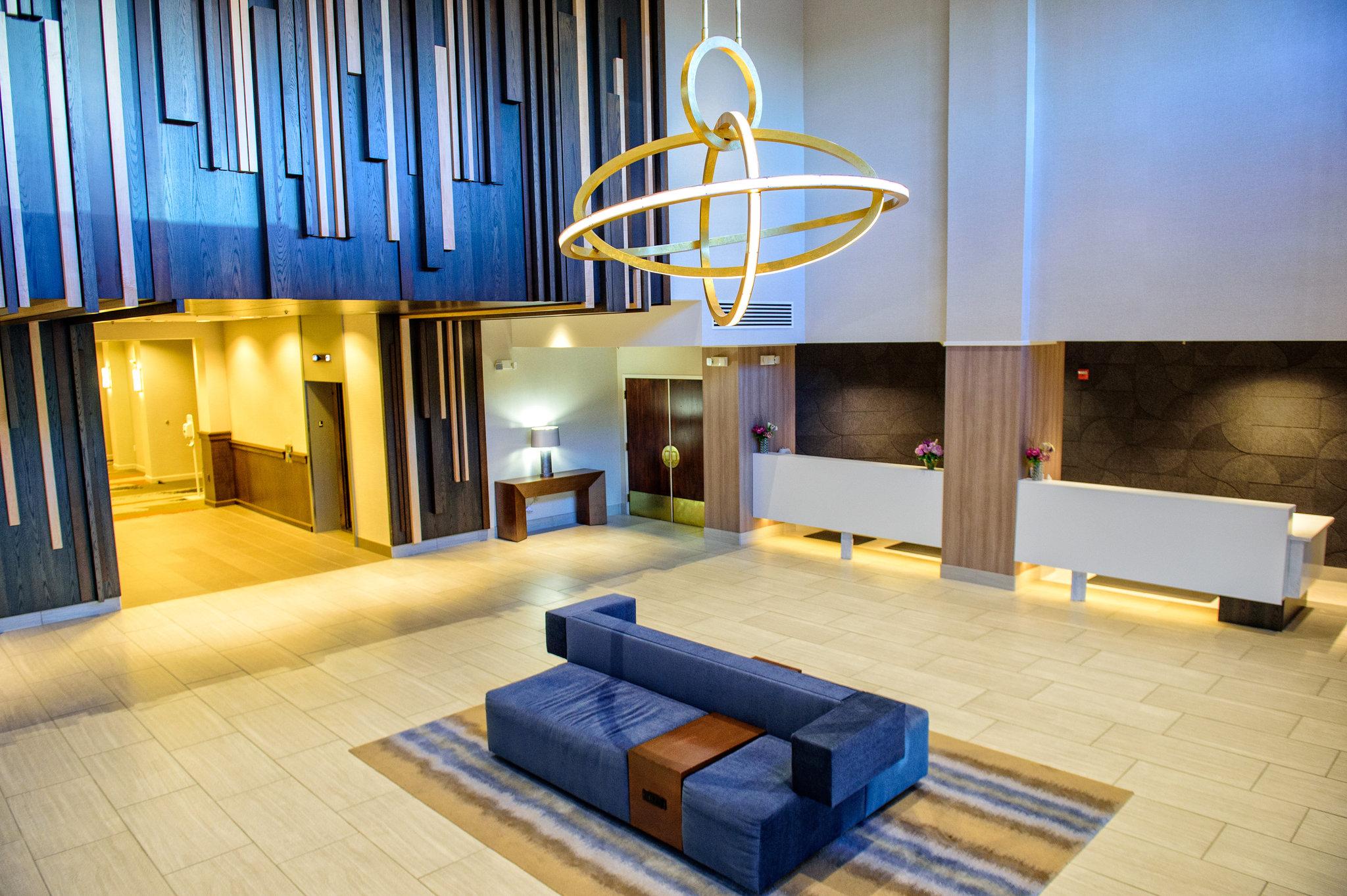
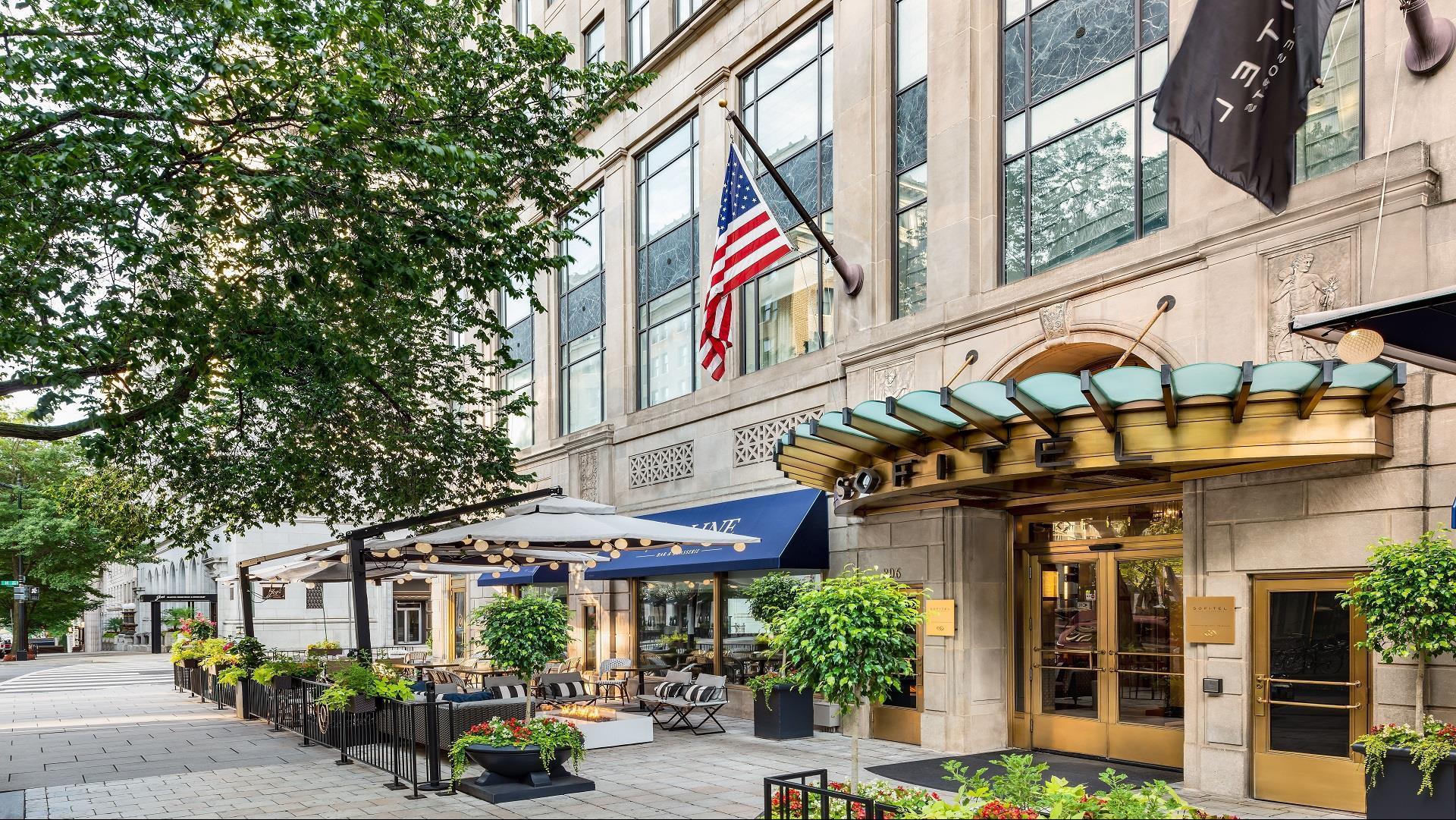
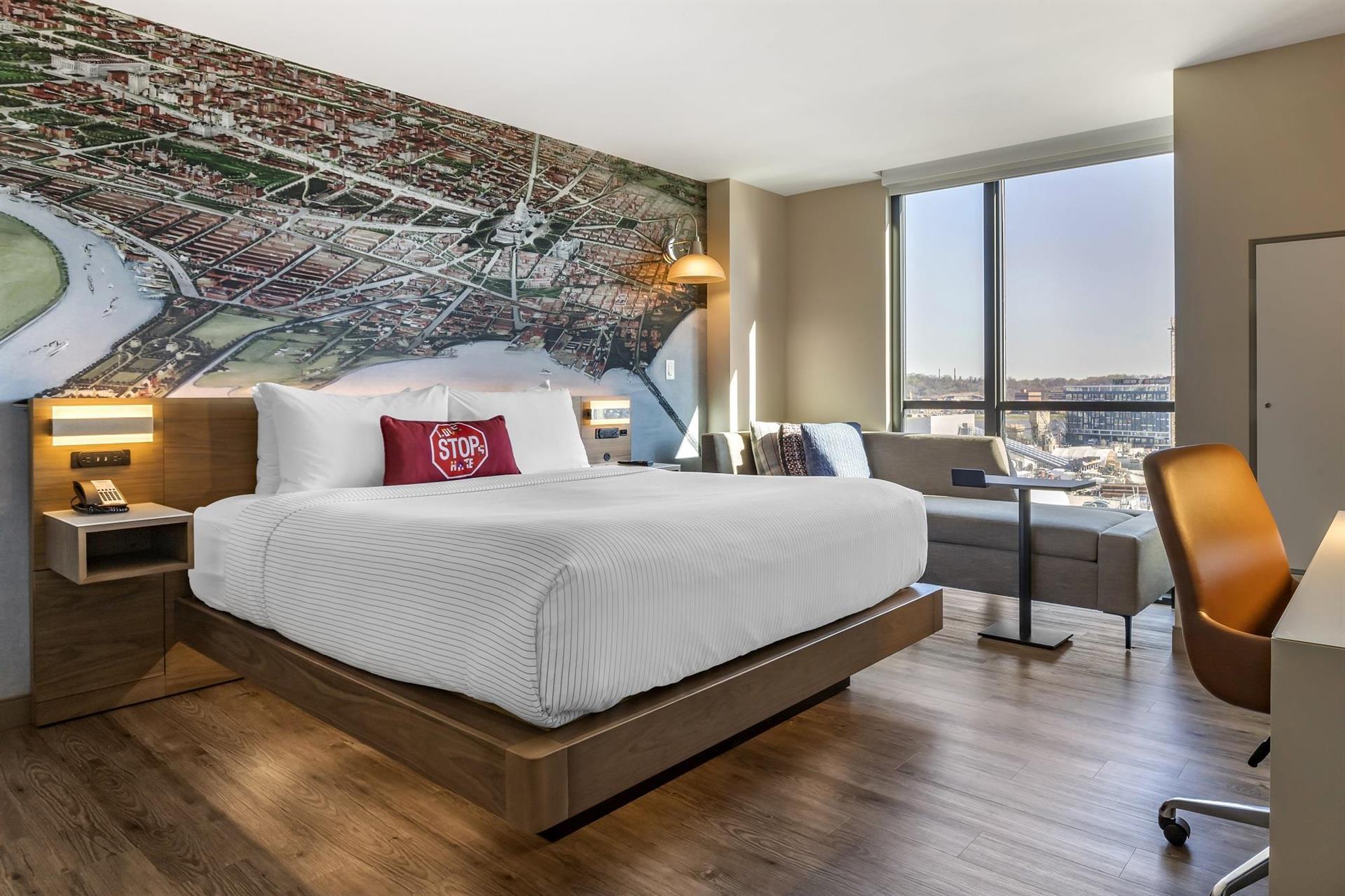
Riggs Washington DC is situated on the corner of 9th and F Street, where city life is continuously reimagined and reinvented. The building stands proud, stately but subtle, as it has for more than a century. Riggs reflects the vitality of the new DC while always honoring its legacy. Once home to Riggs National Bank, it now houses 181 residential guestrooms as well as a grand all-occasion restaurant and lounge. Silver Lyan, our Award-Winning cocktail bar that is pushing the boundaries of mixology can be found in the original basement vault, and a rooftop event space provides views of the capitol.
A thoughtful approach to every detail makes Riggs the place to call home for our staff, our guests, and our community.
場地詳情
連鎖供應商Independent / Other
品牌Independent
建設1891
裝修2020
會議空間總量7,450 平方尺
客房181
活動場地類型酒店
行業評級
AAA
Forbes Travel Guide
獲獎
Industry awards
Best Boutique Hotel In Washington, D.C
https://www.forbes.com/sites/forbes-personal-shopper/2023/04/05/best-hotels-in-washington-dc/?sh=b11c4d26cb31
Riggs Best Hotel in Washington DC - T+L 2023
https://www.travelandleisure.com/best-washington-dc-hotels-2023-7547041
Michelin Key Award Recipient
https://guide.michelin.com/us/en/article/travel/guide-to-all-michelin-key-hotels-washington-dc-2024
Silver Lyan - Best Hotel Bar in the WORLD
https://www.foodandwine.com/global-tastemakers-winner-best-united-states-hotel-bars-2024-8611151
AFAR Magazine
https://www.afar.com/magazine/the-best-hotel-bars-in-the-world
設施和服務
客房特色和來賓服務
客房服務
景觀 (花園)
檢視 (城市)
禮賓服務
網際網路
行李寄存
語音信箱
電話 (免費電話)
電話 (本地)
設施
允許帶寵物
場地內安全
場地內的餐廳
場地內餐飲
空間 (半私人)
空間 (室外)
空間 (私人)
輪椅無障礙
商務服務
AV 功能
視訊會議
貴賓服務
娛樂活動
健身俱樂部
運輸
公交車
地鐵
火車
計程車
設備
舞池
舞臺區域
裝卸碼頭
AV 功能
AV 設備
高速互聯網
客房特色和來賓服務
客房服務
景觀 (花園)
檢視 (城市)
禮賓服務
網際網路
行李寄存
語音信箱
電話 (免費電話)
電話 (本地)
設施
允許帶寵物
場地內安全
場地內的餐廳
場地內餐飲
空間 (半私人)
空間 (室外)
空間 (私人)
輪椅無障礙
可持續性
此場地通過了 BeCause 的可持續發展認證,BeCause 是一家與 Cvent 合作的獨立組織。
認證(1)
FuturePlus
認證機構:FuturePlus
頒發時間: 2025/3/1 • 到期時間: 2026/10/1
Seasonal Availability
Do you want to know if your event is during the high or low season? Check the season availability for this hotel.
Gallery Place Chinatown Metro Stop - Across the Street
Union Station - 1.1 Miles
Reagan Airport DCA - 5.3 Miles (accesible via Metro)
Dulles Airport IAD - 30.9 Miles
Baltimore Airport BWI - 29.6 Miles
Gallery Place Chinatown Metro Stop - Across the Street
Union Station - 1.1 Miles
Reagan Airport DCA - 5.3 Miles (accesible via Metro)
Dulles Airport IAD - 30.9 Miles
Baltimore Airport BWI - 29.6 Miles
離機場的距離
5.3 英里
Distance from airport 5.3 mi
區域內的停車場
區域內的停車場
代客泊車
( US$55.00/天 )
當地景點
Walter E. Washington Convention Center
會議中心
5個街區
The Walter E. Washington Convention Center, an extraordinary 2.3 million-square-foot conventions and meetings facility, is equipped to handle events of all sizes, from small groups and break-out meetings to events for 500 to 42,000 attendees. One of the most energy-efficient buildings for its size, the Convention Center includes a range of mixed-use exhibit spaces, 198,000 square feet of flexible meeting space with a total of 77 break-out rooms and the largest ballroom in the region. Whatever the size of the event, the service of the Convention Center staff is unparalleled.
Ronald Reagan Washington National Airport is, along with Washington Dulles International Airport, part of a two-airport system that provides domestic and international air service for the Washington DC metropolitan and surrounding regions. Both Airports have been managed by the Metropolitan Washington Airports Authority (MWAA) since 1987 when they were transferred by Congress to the Authority under a long-term lease authorized by the Metropolitan Washington Airports Act of 1986, Title VI of Public Law 99-50.
Washington Dulles International Airport (IAD) is located in Chantilly, Virginia, on 12,000 acres of land in the suburbs of downtown Washington, DC. The Main Terminal opened in 1962 and was designed by architect Eero Saarinen. Dulles is a major hub for domestic and international air travel with a mixture of legacy and low fare carriers that provide air service throughout the world. Flights operate from midfield concourses A, B, C and D and from Z-gates connected to the Main Terminal. The Airport has invested in its infrastructure through a major capital program, which included two parking garages, a new airport traffic control tower, expanded B-gates, a new fourth runway, an AeroTrain people mover system and an expanded International Arrivals Building. The airport is connected to the region’s highway system via an Authority-operated, 16-mile Airport Access Highway dedicated to airport users. A 23-mile expansion of the region's Metrorail system that includes a station at Dulles is under construction.
Dulles has significant capacity for future growth. With minor expansion, the current facilities could accommodate 45 million annual passengers (22.5 million enplanements). With all future facilities in the master plan constructed, the airport could accommodate 70 million annual passengers (35 million enplanements) operating out of 250 airline gates. The current four-runway configuration has a capacity of up to 600,000 aircraft operations per year. With a future fifth runway constructed, the airfield capacity could increase to 1 million aircraft operations per year.
Baltimore/Washington International Thurgood Marshall Airport
機場
34英里
WI Marshall Airport is located just 9 miles south of downtown Baltimore and 32 miles northeast of Washington, D.C. It is the busiest airport in the region, serving over 25 million passengers. The airport is named after Thurgood Marshall, a Baltimore native who became the first African American to serve on the Supreme Court of the United States.
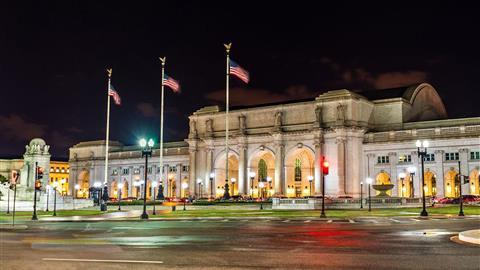
Union Station DC is a superbly restored, historic, mixed-use, intermodal transportation and shopping center located just blocks from the U.S. capitol Building. Union Station DC is one of the most iconic destinations in Washington, D.C. Union Station DC is equipped with 3 levels of shopping and dining, a 4-level parking garage, one of the most breathtaking historical spaces in the country.
Ford’s Theatre celebrates the legacy of President Abraham Lincoln and explores the American experience through theatre and education.
During the Civil War, Ford’s Theatre was one of Washington’s top entertainment venues, giving Washingtonians a much-needed break from the realities of war. President Lincoln, who loved theatre, opera and Shakespeare, visited Ford’s Theatre on at least 10 formal occasions.
On April 14, 1865, Lincoln and his wife decided to visit the theatre to see the comedy Our American Cousin. John Wilkes Booth, a Confederate sympathizer, snuck into the President’s Box and shot Lincoln with a single-shot Deringer pistol. Booth fled into the night, and Lincoln died the next morning in the Petersen House, a boarding house located just across the street from the theatre.
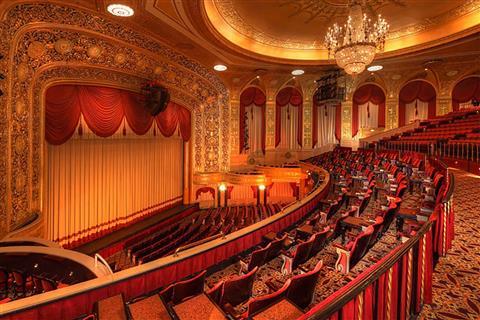
The Warner's special place in the history of Washington began in the 1920s when dozens of grand theaters and movie houses lit up downtown. Built first for vaudeville and silent movies, the Theatre was opened as the Earle Theatre in 1924. It was complemented by a rooftop garden that attracted thousands of visitors per night. The basement was also famous, first as a restaurant and ballroom, and in the 1930s as the Neptune Room. The Earle featured its own precision dance troupe-much like the still-famous Rockettes-called the Roxyettes. They kept the traditions of vaudeville alive at the Earle until 1945, performing before and after feature films and with guest performers such as Red Skelton and Jerry Lewis.
The Earle switched to a movies-only policy in 1945 and in 1947, owner Harry Warner, one of the Hollywood's Warner Brothers, visited Washington and told his tour guide Julian Brylawski (one of the original builders) that since he owned the theatre, his name should be on the marquee. Thus the Earle Theatre became the Warner Theatre.
Adapting to new entertainment trends in the 1950s, the auditorium was redesigned for Cinerama movies. The screen stayed lit into the 1960s featuring such memorable runs as Ben Hur, Dr. Zhivago, and Hello, Dolly! As with much of downtown Washington in the early 1970s, the Theatre fell into disrepair and disrepute, even functioning briefly as a pornographic movie theater. By the mid-1970s, the Theatre blossomed anew, mainly as a destination for concerts. The Rolling Stones performed a surprise small-venue show here in 1978.
In 1989 the wonderful mix of 1980s concerts in the genres of soul, jazz, punk, world music, heavy metal, and funk, as well as many touring and local plays finally took its toll on the 65-year-old building. The Theatre closed for three years to undergo extensive renovations and enhancements under the eye of real estate developer The Kaempfer Company. The "new" Warner-opened in 1992 with a gala featuring Frank Sinatra (in his final D.C. appearance) and Shirley MacLaine-became once again a destination, not only for revitalized downtown Washington, but also for national and international recording artists and the finest in theatrical, dance, and television presentations.
For almost 200 years, Washington’s historic National Theatre has occupied a prominent position on Pennsylvania Avenue – “America’s Main Street.” Located a stone’s throw from the White House and bordering the Pennsylvania Avenue National Historic Site, The National Theatre is the historic cultural center for the performing arts in our nation’s capital and the oldest enterprise on Pennsylvania Avenue continuously operating in its original designated capacity.
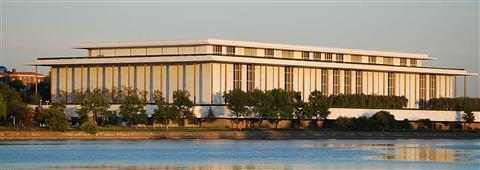
The Kennedy Center is the nation's busiest performing arts center, hosting approximately 2,000 events each year for audiences numbering more than 2 million. Since 1971, we have been bringing the world to Washington with magnificent performances of music, dance, theater, and more. See what's on stage and buy your tickets now!
Shakespeare Theatre Company produces and presents the highest-quality classic theatre productions across genres, bringing them to vibrant life in a provocative, imaginative and accessible style.
With Shakespeare at our core, we explore plays of national and international relevancy—those with profound themes, complex characters and heightened language—through a contemporary 21st century lens.
We expand the classic theatre repertoire in America by reviving and commissioning adaptations and translations of important forgotten works.
We create impactful and responsive arts education and community engagement programs to connect audiences to the significance of classic works and themes.
We provide a home for leading classical artists and a training ground for the next generation of theatre artists and arts administrators.
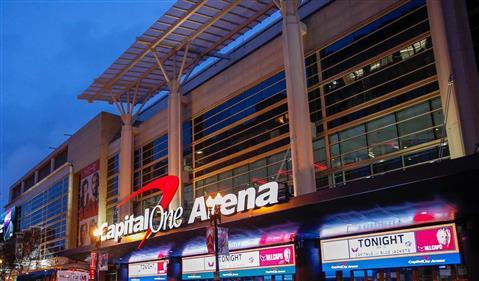
Home to the AFL's Washington Valor, NBA’s Washington Wizards, NHL’s Washington Capitals, the WNBA’s Washington Mystics, and the NCAA’s Georgetown Hoyas’s Men’s Basketball Team, the arena averages 220 events a year. The 20,000-seat arena offers world-class sporting events, concerts, family shows, trade shows and special events. It’s located in the Chinatown/Penn Quarter neighborhood.
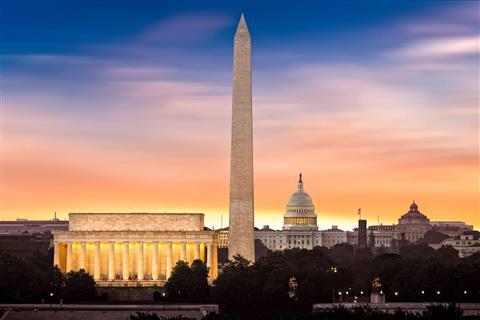
The United States Capitol in Washington, D.C., is a symbol of the American people and their government, the meeting place of the nation's legislature. The Capitol also houses an important collection of American art, and it is an architectural achievement in its own right. It is a working office building as well as a tourist attraction visited by millions every year.
Construction of the U.S. Capitol began in 1793. In November 1800, the U.S. Congress met in the first completed portion, the north wing. In the 1850s, major extensions to the North and South ends of the Capitol were authorized because of the great westward expansion of our nation and the resultant growth of Congress. Since that time, the U.S. Capitol and its stately dome have become international symbols of our representative democracy.
The U.S. Capitol Visitor Center is the newest addition to this historic complex. At nearly 580,000 square feet, the Visitor Center is the largest project in the Capitol's more than two-century history and is approximately three quarters the size of the Capitol itself. The entire facility is located underground on the east side of the Capitol so as not to detract from the appearance of the Capitol and the grounds designed by Frederick Law Olmsted in 1874.
Since our capital city’s first days, people have traveled here for many reasons. They come to explore the past and to chart new futures. They come to ask questions and to seek expert answers. They come to start discourse and to remember in silence. They come to demand change and to be that change. They come to grow. They come to learn. They come to make history and join the ranks alongside many prominent GW alumni.
Our students come to GW for many of these same reasons. They come for passionate faculty, for diverse student groups, for Division I athletics, for once in a lifetime internships and for inspiring service opportunities. GW, like many universities, provides all of this. But our students come for something else, as well.
They don't just want to do a community service project. They want to meet, and then exceed, a service challenge from the First Lady of the United States.
They don't just want to view slides of art. They want to debate masterpieces in the galleries of world-class museums or dance on the stages of the Kennedy Center.
And they don’t just want to take an engineering course. They want to conduct research in a stunning new core lab facility with faculty who are quite literally shaping the world of tomorrow.
Housed in a city unlike any other, our students gain an education unlike any other. The whole city is our classroom, and our students emerge not just with a diploma, but with experiences that could only happen at GW.
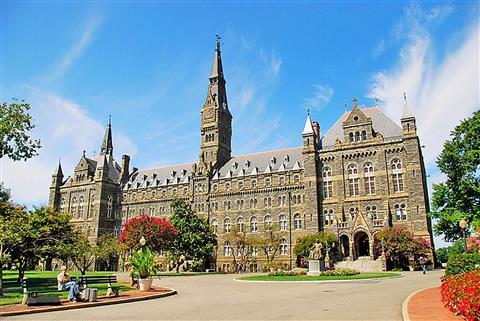
Georgetown University is one of the world’s leading academic and research institutions, offering a unique educational experience that prepares the next generation of global citizens to lead and make a difference in the world. We are a vibrant community of exceptional students, faculty, alumni and professionals dedicated to real-world applications of our research, scholarship, faith and service.
Established in 1789, Georgetown is the nation’s oldest Catholic and Jesuit university. Drawing upon the 450-year-old legacy of Jesuit education, we provide students with a world-class learning experience focused on educating the whole person through exposure to different faiths, cultures and beliefs.
Students are challenged to engage in the world and become men and women in the service of others, especially the most vulnerable and disadvantaged members of the community. These values are at the core of Georgetown’s identity, binding members of the community across diverse backgrounds.
Founded in 1867, Howard University is a private, research university comprised of 13 schools and colleges. Students pursue studies in more than 120 areas leading to undergraduate, graduate and professional degrees. To date, Howard has awarded more than 120,000 degrees in the arts, the sciences, and the humanities. The historic main campus sits on a hilltop in Northwest Washington blocks from the storied U Street and Howard Theatre. We are two miles from the U.S. Capitol where many students intern, and scores of alumni shape national and foreign policy.
Howard is a leader in STEM fields. The National Science Foundation has ranked Howard as the top producer of African-American undergraduates who later earn science and engineering doctoral degrees. The University also boasts nationally ranked programs in social work, business and communication sciences and disorders. In 2013, The Washington Post named Howard "An Incubator for Cinematographers."
The College of Medicine is internationally regarded for its illustrious legacy of training students to become competent and compassionate physicians who provide health care in medically underserved communities at home and abroad. The College is a national leader in studying health disparities among people of color and is one of America's top institutions for training women surgeons. The Howard University Health Sciences division includes the Howard University Hospital and the Colleges of Dentistry, Pharmacy, and as well as Nursing and Allied Health Sciences.
A National Research University in the Heart of the Nation's Capital in the Catholic Intellectual Tradition.
The Catholic University of America is unique among universities in the United States — even among Catholic universities. And it’s not just because we're located in Washington, D.C. — a city of global significance and a place of extraordinary educational opportunity.
Our university was founded by the Catholic bishops of the United States, with a charter from then Pope Leo XIII, to be the national university of the Catholic Church in America. For more than 130 years, we have lived out our mission to discover and impart the truth through excellence in teaching and research. Catholic University scientists, engineers, nurses, philosophers, theologians, historians, architects, social workers, musicians, artists, and scholars in all fields embrace both reason and faith as they apply the inexhaustible resources of the Catholic intellectual tradition to help solve the problems of contemporary life and enrich the culture around us.
Read more about how Catholic University's Strategic Plan outlines specific goals and objectives we have committed to in order to build upon our tradition of excellence and chart our course for the future.
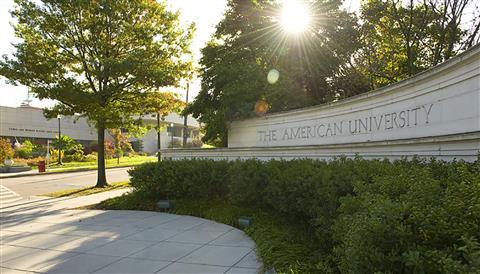
American University is a student-centered research institution located in Washington, DC, with highly-ranked schools and colleges, internationally-renowned faculty, and a reputation for creating meaningful change in the world. Our students distinguish themselves for their service, leadership, and ability to rethink global and domestic challenges and opportunities.
At AU passion becomes action; students actively engage in the world around them; and the leaders of today train the leaders of tomorrow.
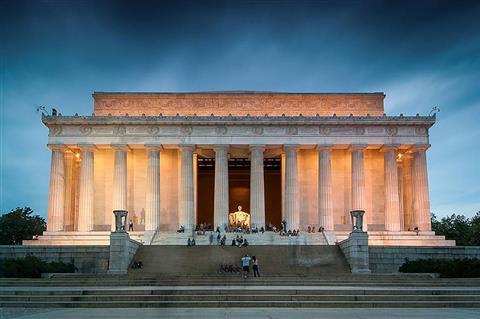
Each year, millions of people visit National Mall and Memorial Parks to recreate, to commemorate presidential legacies, to honor our nation's veterans, to make their voices heard, and to celebrate our nation's commitment to freedom and equality.
National Museum of African American History and Culture
博物館
7個街區
The National Museum of African American History and Culture is the only national museum devoted exclusively to the documentation of African American life, history, and culture. It was established by Act of Congress in 2003, following decades of efforts to promote and highlight the contributions of African Americans. To date, the Museum has collected more than 36,000 artifacts and nearly 100,000 individuals have become members. The Museum opened to the public on September 24, 2016, as the 19th and newest museum of the Smithsonian Institution.
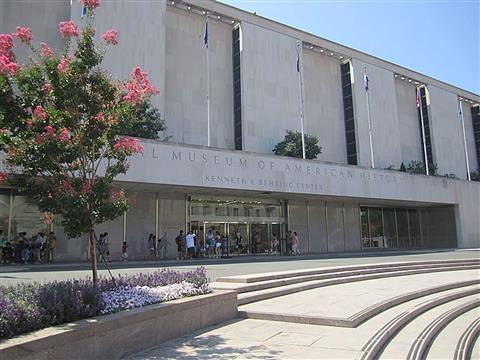
The National Museum of American History is home to more than 1.8 million objects and more than three shelf-miles of archival collections. On behalf of the nation, we preserve and share this extraordinary national collection encompassing everything from the original Star-Spangled Banner to Abraham Lincoln’s top hat; from the first computer bug to the first artificial heart; from Dizzy Gillespie’s angled trumpet to Dorothy’s ruby slippers from The Wizard of Oz. Our archival collections include a remarkable array of American history in documents, photographs, and other works, including major holdings on the histories of American business and music.
Our artifacts form a fascinating mosaic of American life and comprise the greatest single collection of American history in the world.
Our mission is to promote understanding of the natural world and our place in it. The museum’s collections tell the history of the planet and are a record of human interaction with the environment and one another.
As we all work to shape a sustainable world, this record becomes the starting point. It is our guidebook to how the future can look and work.
Because of the boundless curiosity of our researchers, the breadth and depth of our scientific collections, and our ability to inspire future generations of scientists, we have a vital role to play. Here people can both discover the world and learn to become better stewards of it.
On any given day, our scientists conduct research in our laboratories and at sites around the globe. Boundless curiosity drives them to explore Earth, the species that depend upon it, the cultures that inhabit it, and the forces that alter it. Their work underpins our understanding of critical issues of our time, from conservation to public health, climate change to food security.
We steward a collection of 145 million specimens and artifacts. Each one reflects a moment in space and time; in these moments we find Earth’s story. And our researchers continue to glean critical new information from these objects. These discoveries about the past help us model and anticipate the future.
Our exhibits, our educational programs, and our staff and volunteers share our collections and the knowledge drawn from them with millions of visitors every year – deepening their appreciation for science, the natural and cultural world, and the challenges of our time.
The National Gallery of Art was conceived and given to the people of the United States by Andrew W. Mellon (1855–1937). Mellon was a financier and art collector from Pittsburgh who came to Washington in 1921 to serve as secretary of the treasury. During his years of public service he came to believe that the United States should have a national art museum equal to those of other great nations.
In 1936 Mellon wrote to President Franklin D. Roosevelt offering to donate his superb art collection for a new museum and to use his own funds to construct a building for its use. With the president’s support, Congress accepted Mellon’s gift, which included a sizable endowment, and established the National Gallery of Art in March 1937. Construction began that year at a site on the National Mall along Constitution Avenue between Fourth and Seventh Street NW, near the foot of Capitol Hill.
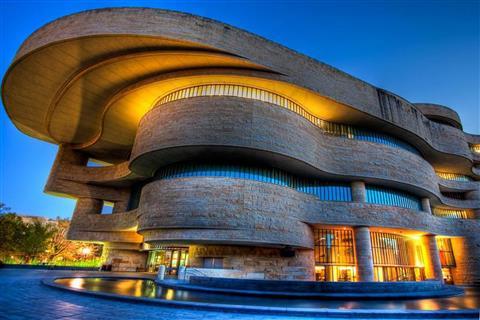
A diverse and multifaceted cultural and educational enterprise, the National Museum of the American Indian (NMAI) is an active and visible component of the Smithsonian Institution, the world's largest museum complex. The NMAI cares for one of the world's most expansive collections of Native artifacts, including objects, photographs, archives, and media covering the entire Western Hemisphere, from the Arctic Circle to Tierra del Fuego.
The National Museum of the American Indian operates three facilities. The museum on the National Mall in Washington, D.C., offers exhibition galleries and spaces for performances, lectures and symposia, research, and education. The George Gustav Heye Center (GGHC) in New York City houses exhibitions, research, educational activities, and performing arts programs. The Cultural Resources Center (CRC) in Suitland, Maryland, houses the museum's collections as well as the conservation, repatriation, and digital imaging programs, and research facilities. The NMAI's off-site outreach efforts, often referred to as the "fourth museum," include websites, traveling exhibitions, and community programs.
Since the passage of its enabling legislation in 1989 (amended in 1996), the NMAI has been steadfastly committed to bringing Native voices to what the museum writes and presents, whether on-site at one of the three NMAI venues, through the museum's publications, or via the Internet. The NMAI is also dedicated to acting as a resource for the hemisphere's Native communities and to serving the greater public as an honest and thoughtful conduit to Native cultures—present and past—in all their richness, depth, and diversity.
The Smithsonian's National Air and Space Museum maintains the world's largest and most significant collection of aviation and space artifacts, encompassing all aspects of human flight, as well as related works of art and archival materials. It operates two landmark facilities that, together, welcome more than eight million visitors a year, making it the most visited museum in the country. It also is home to the Center for Earth and Planetary Studies.
The Smithsonian American Art Museum, the nation’s first collection of American art, is an unparalleled record of the American experience. The collection captures the aspirations, character, and imagination of the American people throughout three centuries. The museum is the home to one of the largest and most inclusive collections of American art in the world. Its artworks reveal key aspects of America’s rich artistic and cultural history from the colonial period to today.
The museum has been a leader in identifying and collecting significant aspects of American visual culture, including photography, modern folk and self-taught art, African American art, Latino art, and video games. The museum has the largest collection of New Deal art and exceptional collections of contemporary craft, American impressionist paintings and masterpieces from the Gilded Age. In recent years, the museum has focused on strengthening its contemporary art collection, and in particular media arts, through acquisitions, awards, curatorial appointments, endowments, and by commissioning new artworks.
The National Portrait Gallery was authorized and founded by Congress in 1962 with the mission to acquire and display portraits of "men and women who have made significant contributions to the history, development, and culture of the people of the United States." Today, the Smithsonian’s National Portrait Gallery continues to narrate the multi-faceted and ever-changing story of America through the individuals who have shaped its culture. Through the visual arts, performing arts, and new media, the Portrait Gallery presents poets and presidents, visionaries and villains, actors and activists whose lives form our national identity.
As the nation's only complete collection of presidential portraits outside the White House, the "America's Presidents" exhibition lies at the heart of the Portrait Gallery's mission to tell the country's history through the individuals who have shaped it. Gilbert Stuart's "Lansdowne" painting of George Washington is the grand introductory image to this exhibition. In 2000, the Portrait Gallery was in danger of losing this painting—which had been on loan since the museum's opening in 1968—when its owner decided to sell it. A generous gift from the Donald W. Reynolds Foundation allowed the "Lansdowne" painting to be purchased as a gift to the nation. "America's Presidents" continues to acquire portraits—including paintings, sculpture, photographs, caricatures, video, and time-based media—of each succeeding president.
Over the years the collections, which were initially restricted to paintings, prints, drawings, and engravings, have grown to over 23,000 items in all media, from daguerreotypes to digital. In the late 1990s, the Portrait Gallery began commissioning portraits of presidents, beginning with George H. W. Bush. In 2006, the Portrait Gallery hosted the first Outwin Boochever Portrait Competition, now a prestigious triennial event, which also brings commissioned works into the collection. The 2013 winner was Bo Gehring, whose close-up video and sound portrait of jazz musician Esperanza Spalding draws delight and praise from visitors.
Barmini is José Andrés’ cocktail lab adjacent to minibar that celebrates classic cocktails alongside distinctly modern creations. Offering a menu of more than 100 libations in addition to experiential flights and inventive snacks, barmini is DC’s premier cocktail destination. It is a learning center where chefs and bartenders collaborate and where heritage meets innovation.
Just beyond the bustle of downtown DC’s main corridors, Dirty Habit sits at the epicenter of the Penn Quarter/Chinatown nightlife and culinary core. Our urban hot spot contrasts the classic architecture of the original 1841 General Post Office in which it’s set, with an intriguing bar scene that includes an expansive atrium and a private patio encompassing an entire city block.
Three distinct moods can be found to suit that day’s desires — all film noir-inspired and accented by enigmatic cues. The alluring dining room conjures an air of mystery, drawing guests to experience globally inspired, seasonal plates during the evening and all week brunch options during the day. The Atrium Bar serves up inventive craft cocktails while offering an atmospheric counterpart to the dining room’s dark decadence — a light-filled climax of soaring ceilings plus sweeping views of the patio. Once the fervor reaches its peak, an outdoor courtyard presents a respite of fresh air and intimate fire pits — an urban campfire at which to gather, indulge in communal large-format cocktails, and get acquainted with one of the best bars in DC.
12 Stories is located on the top of The InterContinental Hotel in Washington, D.C.’s new billion-dollar residential and retail development, The Wharf. Designed by SLDesign, the new penthouse bar is a sexy, modern addition to The Wharf landscape, boasting a nearly 360-degree view of The Potomac and the Washington skyline. 12 Stories features modern artwork by Paige Smith, industrial-chic design touches like concrete flooring, wired pendulum lighting, velvet, marble, leather and wood furniture and an expansive 26-foot NanaWall, opening up onto an outdoor terrace. In addition to a stylish night out, Washingtonians can enjoy private and semi-private events in the beautifully appointed 3,500-square-foot space, which seats 170 guests and is configured into three distinct zones with unique vantage points of The Wharf and beyond. The bar’s large 13-foot floor-to-ceiling windows offer unparalleled sightlines of the Jefferson, Lincoln and Air Force Memorials, as well as the pinnacle of the Washington Monument and Hains Point. These sweeping views of the nation’s capital provide a one-of-a-kind perspective seen nowhere else in the city. The bar’s thoughtfully curated cocktail menu includes new spins on the classics and an impressive selection of innovative house cocktails. Complementing the drinks menu, which also includes several non-alcohol options, is a selection of elevated bar food featuring a variety of bites and small plates.
瞭解Riggs Washington DC - Lore Group有關健康與安全、可持續性以及多樣性和包容性的常見問題
可持續發展的做法
請提供任何公開傳達的Riggs Washington DC - Lore Group的可持續性或社會影響目標/策略的評論或連結。
Our sustainable and social responsibilities include but are not limited to the following areas: •Design: Focus on sustainable design through infrastructure efficiencies by reclaiming native materials during transformation phase
https://loregroup.com/our-commitments/climate-action-carbon-management/
Riggs Washington DC - Lore Group是否有專注於消除和轉移廢物(即塑膠、紙張、紙板等)的策略? 如果是,請詳細說明消除和轉移廢物的策略。
僅對於美國酒店,Riggs Washington DC - Lore Group和/或母公司是否被認證為 51% 的多元化所有制商業企業(BE)? 如果是,請說明您獲得以下哪一項認證:
Small Business Enterprise
如果適用,請提供Riggs Washington DC - Lore Group關於其在多樣性、公平和包容性方面的承諾和舉措的公開報告的連結。
N/A
健康與安全
Riggs Washington DC - Lore Group的做法是根據公共政府實體或私營組織的衛生服務建議制定的嗎? 如果是,請列出使用了哪些組織的建議來制定這些做法:
Yes, We will continue to evaluate safety protocols as it relates to the COVID-19 pandemic, to keep guests and colleagues safe, in accordance with CDC, DC Health and AHLA guidelines and recommendations.
Riggs Washington DC - Lore Group是否對公共區域和公共設施(如會議室、餐廳、電梯站等)進行清潔和消毒? 如果是,請說明採取了哪些新措施。
Yes, Deep cleaning of all public space every hour and additionally when needed
Please explain, if applicable, the carbon offsetting options you offer to corporations.
N/A
Please provide, if applicable, an e-mail address for a contact who can address any follow up questions relating to sustainability and social impact goals and initiatives.
jacqueline.kneebone@loregroup.com
Has your hotel taken steps to reduce single-use plastics, such as removing plastic straws (except upon request for guests with disabilities), stirrers and cotton buds? If yes, please provide detail as to the steps you have taken to reduce single use plastics?
Yes, We have eliminated all single use plastic bottles.
Does your hotel generate (onsite) or purchase (offsite) renewable energy (beyond your utility's standard offerings)? If yes, please describe your practices for generating or purchasing renewable energy.
Does your hotel engage in activities to protect & restore the natural environment in which it is located (i.e. trees planted, coral reef restored, etc.)?
Yes
Will your hotel be imposing any additional fees for cleaning services? If yes, please specify those fees.
No
Are specific cleaning/disinfection routines in place for pillows, duvets and their covers, headboard, bathrobe etc.? If yes, please describe.
Yes, Headboards deep cleaned after every checkout, and decorative items have been removed
Please include a link to your public report on community impact if applicable.