


San Antonio is one of those cities that feels bigger in character than it does on a map, and for anyone planning an event here, the numbers tell the story. Roughly 39 million visitors come through every year, drawn by three centuries of Spanish colonial history, a river that doubles as the city's living room, and a food scene good enough to earn a UNESCO Creative City of Gastronomy title.
The city is built to host, and hospitality is one of its top 5 industries, contributing $15.2 billion a year. It shows in the walkable downtown core, the mild weather, and how many of the best things to do in San Antonio your attendees can enjoy. The Alamo is the obvious anchor, but it's only the start: it's one of five 18th-century missions, and the other four are quieter and free, making them easy additions to a group itinerary.
One note before you build the schedule: downtown is walkable and close to most convention hotels, but larger attractions like Natural Bridge Caverns and Six Flags require shuttles or rideshares. And if your event falls between June and August, keep outdoor plans to the morning or evening and let an indoor venue or cavern tour handle the afternoon.
Best 15 things to do in San Antonio
Everyone's San Antonio looks a little different. History lovers will happily lose a morning to the missions while families head straight for the theme parks, and that's the point of this list: there's a version of the trip for whoever you're with. These 15 places earn their spot again and again, the ones locals still recommend, and visitors keep raving about.
- The Alamo
- The San Antonio River Walk
- San Antonio Missions National Historical Park
- The Pearl
- Tower of the Americas
- Historic Market Square (El Mercado)
- The McNay Art Museum
- The Witte Museum
- San Antonio Zoo and Brackenridge Park
- Japanese Tea Garden
- Natural Bridge Caverns
- Six Flags Fiesta Texas
- San Fernando Cathedral and San Antonio: The Saga
- King William and Southtown
- Briscoe Western Art Museum
That's the overview. Now let's dig into every stop, one by one, with the practical tips to plan around.
The Alamo
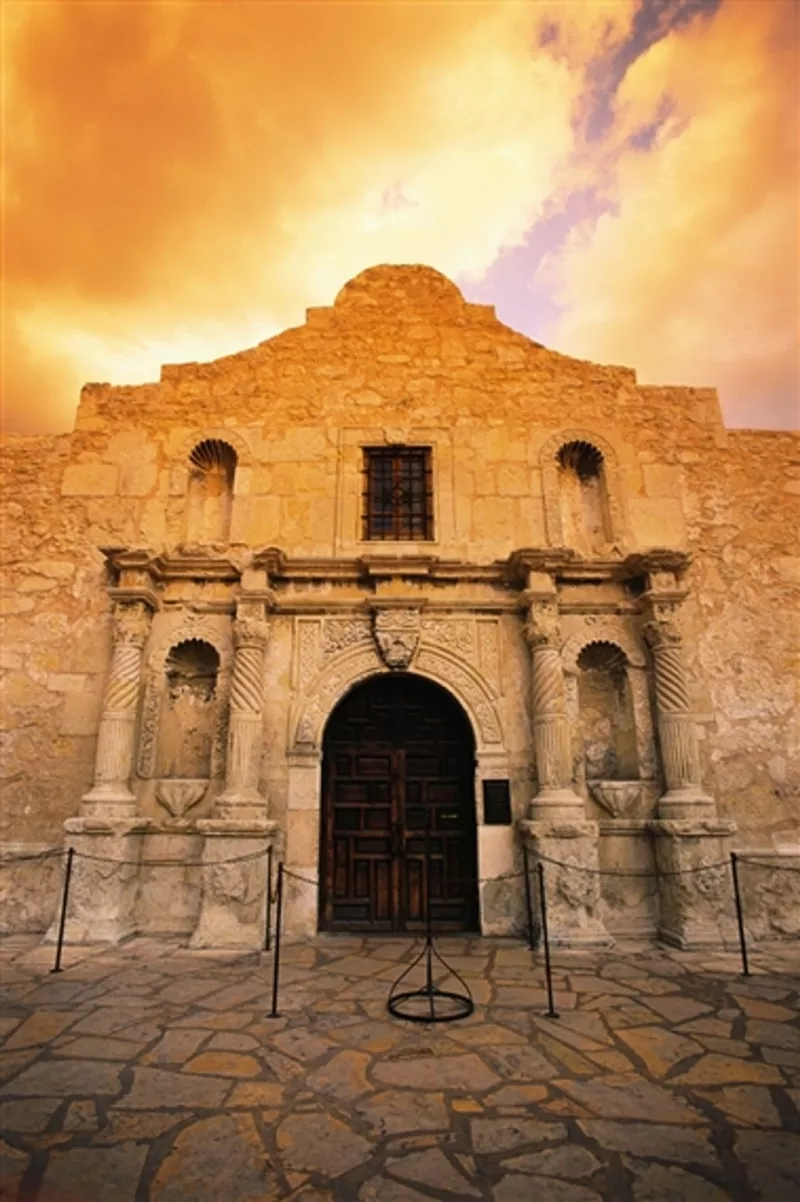
The Alamo is the reason many people first hear of San Antonio, and it still anchors any first visit. The 1836 battle turned this former mission into a symbol that shaped Texas history, and standing in the shrine and the surviving Long Barrack gives that story a weight photos never quite capture. The grounds have expanded in recent years, with more interpretive space and gardens that make the site feel less like a quick photo stop and more like a place to linger.
Go early. It sits right on Alamo Plaza in the heart of downtown, which means midday crowds build fast, especially in peak season.
- Good to know: general admission to the grounds is free, though timed tickets and guided tours are recommended in busy months.
- First-timer tip: pair it with the River Walk, which runs a block away, so you can see two icons in one loop.
The San Antonio River Walk
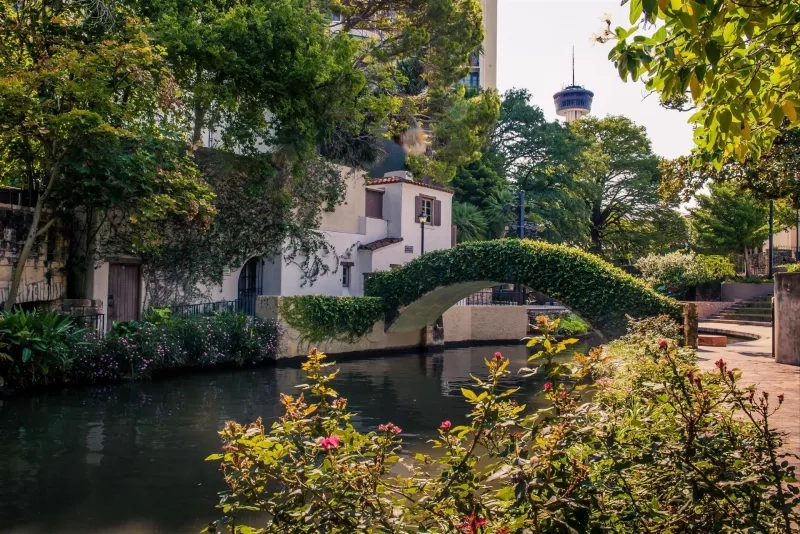
If the Alamo is the city’s history, the River Walk is its heartbeat. This network of stone paths runs along the San Antonio River one level below the streets, lined with restaurants, bars, shops, and cypress trees. The full system stretches roughly 15 miles, with about five miles winding through the downtown core, so you can pick your pace: a lively downtown stroll, a quiet walk north toward the Museum Reach, or a river barge cruise if you’d rather sit back and watch the city drift by.
It’s one of the most visited attractions in all of Texas, and it shows in the energy after dark, when the lights come on, and the patios fill.
- Good to know: the downtown stretch is the busiest and most restaurant-heavy, and home to some of the best restaurants in San Antonio. The Museum Reach and Mission Reach are calmer and better for a longer walk or bike ride.
- First-timer tip: a Go Rio river cruise is a low-effort way to get your bearings on day one.
San Antonio Missions National Historical Park
Here’s the part of San Antonio most first-timers skip and later wish they hadn’t. Beyond the Alamo, four more Spanish colonial missions, Concepción, San José, San Juan, and Espada, line the Mission Trail south of downtown, and together they form the only UNESCO World Heritage Site in Texas. San José, the largest, is often called the “Queen of the Missions” and gives the clearest sense of how these communities once worked.
They’re still active parish churches, they’re free to enter, and they draw a fraction of the downtown crowds.
- Good to know: entry to all four missions is free; the visitor center at San José is a good starting point.
- First-timer tip: rent a bike and follow the Mission Reach trail along the river to connect several missions in one relaxed half-day.
The Pearl
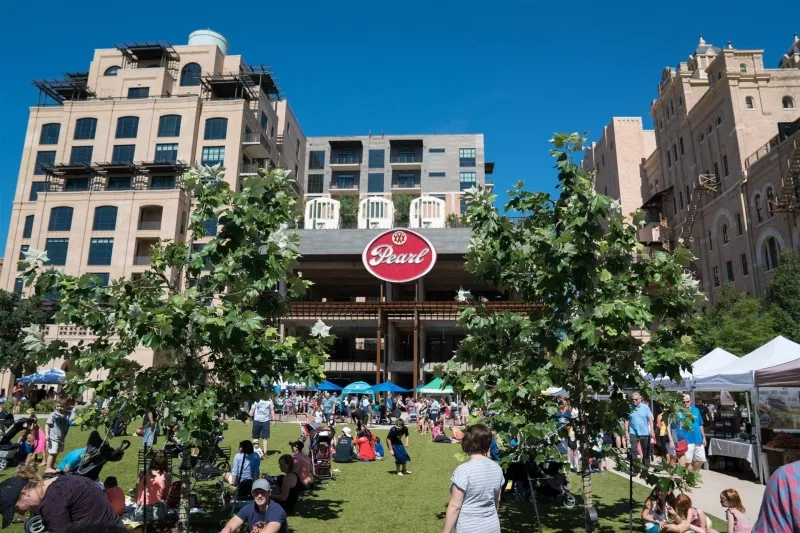
The Pearl shows how well San Antonio blends its past with its present. A 19th-century brewery has been reworked into a walkable district of restaurants, independent shops, a culinary school, and green plazas, and it’s become the spot locals point visitors toward when they want something beyond the tourist core. It's also one of the best areas to scout restaurant venues in San Antonio for a group dinner, with spots like La Gloria and Best Quality Daughter, and a weekend farmers market that turns the whole area into a social hub.
It sits at the northern end of the Museum Reach, so you can walk or take a short river cruise straight from downtown.
- Good to know: weekends are busiest thanks to the farmers market; weekday evenings are calmer for dinner.
- First-timer tip: come hungry and graze rather than committing to one big meal.
Tower of the Americas
For the view that puts the whole city in context, head to the Tower of the Americas in HemisFair Park. Built for the 1968 World’s Fair, the tower rises 750 feet, with an observation deck, a 4D theater, and a revolving restaurant that turns slowly for a full skyline circuit while you eat. On a clear day, you can trace the River Walk, spot the Missions to the south, and see the Hill Country rolling off to the north.
- Good to know: the observation deck and restaurant are ticketed separately; sunset is the most popular time slot.
- First-timer tip: HemisFair Park itself is worth a wander, with play areas and open space that make it easy on families.
Historic Market Square (El Mercado)
Market Square is the place to feel San Antonio’s Mexican heritage up close. Spanning three blocks, it’s billed as the largest Mexican market in the United States, packed with more than 100 locally owned shops and stalls selling folk art, textiles, and crafts. The food is the real draw: this is the home of Mi Tierra, the round-the-clock institution known for its holiday decor and mariachi, and a good place to try Tex-Mex where it belongs.
- Good to know: weekends often bring live music and festivals, especially around Cinco de Mayo and Día de los Muertos.
- First-timer tip: go for breakfast tacos and pan dulce before the crowds arrive.
The McNay Art Museum
When you want a break from the crowds, the McNay Art Museum delivers. Set in a 1920s Spanish Colonial Revival mansion with courtyards and gardens, it was the first modern art museum in Texas and holds a strong collection spanning European modernists and American works. The building alone justifies the trip, and the grounds are a calm, shaded place to slow down for an hour or two.
- Good to know: it’s a short drive north of downtown, so plan it alongside the Pearl or Brackenridge Park.
- First-timer tip: check for free-admission evenings, which the museum offers regularly.
The Witte Museum
The Witte is San Antonio’s museum of nature, science, and Texas culture, and it’s a reliable win for families and curious travelers alike. Exhibits run from dinosaurs and Texas wildlife to the region’s deep human history, with plenty of hands-on space for kids. It sits along the river in Brackenridge Park, which makes it easy to combine with other stops in the same green corridor.
- Good to know: it can get busy on school-holiday weekends and rainy days, when locals head indoors too.
- First-timer tip: budget at least two hours; there’s more here than the entrance suggests.
San Antonio Zoo and Brackenridge Park
Brackenridge Park is the city’s big green backyard, and the San Antonio Zoo is its best-known resident. The zoo is home to hundreds of species and is known for its conservation work and family-friendly layout. The surrounding park adds trails, picnic spots, a train that loops the grounds, and easy river access, so it’s simple to turn a zoo visit into a half-day outdoors.
- Good to know: the zoo requires a car or rideshare from downtown, though it’s an easy trip.
- First-timer tip: buy zoo tickets online ahead of time to skip the entrance line.
Japanese Tea Garden
Tucked into a former limestone quarry in Brackenridge Park, the Japanese Tea Garden is one of San Antonio’s most photogenic and least expensive attractions, and it’s free to enter. Stone paths wind past koi ponds, a waterfall, and lush plantings, with a pavilion overlooking it all. It’s a quiet, shaded escape that takes maybe 30 to 45 minutes but leaves a strong impression.
- Good to know: it’s right next to the zoo, so the two pair naturally.
- First-timer tip: mornings are cooler and far better for photos before the light gets harsh.
Natural Bridge Caverns
About 30 minutes north of the city, Natural Bridge Caverns is the largest commercial cavern system in Texas and a genuinely memorable half-day trip. Guided tours lead you underground past towering formations that are still slowly growing, and the constant cool temperature makes it a smart pick on a hot afternoon. Above ground, there’s a maze, a ropes course, and gem panning to keep kids busy.
- Good to know: you’ll need a car or rideshare, and tours are timed, so book ahead in peak season.
- First-timer tip: wear closed shoes; the cavern paths can be damp and uneven.
Six Flags Fiesta Texas
If you’re traveling with thrill-seekers, Six Flags Fiesta Texas is San Antonio’s headline theme park, built into an old quarry with roller coasters, a water park, and regular seasonal events. It’s the kind of full-day outing that anchors a family trip, and the quarry setting gives some of the rides a dramatic backdrop you don’t get at flatter parks.
- Good to know: it’s northwest of downtown and needs a car or rideshare; the water park is included with admission in season.
- First-timer tip: arrive at opening to ride the big coasters before lines build, then hit the water park in the heat of the afternoon.
San Fernando Cathedral and San Antonio: The Saga
San Fernando Cathedral is one of the oldest continuously operating cathedrals in the United States, and it still functions as a working church at the center of the city’s spiritual life. The real showstopper for visitors comes after dark, when “San Antonio: The Saga,” a free light-and-sound projection by artist Xavier de Richemont, plays across the cathedral’s facade and tells the city’s story in color and motion.
- Good to know: the projection runs on select evenings and is free; check current showtimes before you go.
- First-timer tip: arrive early and grab a spot in Main Plaza; it fills up fast on weekends.
King William and Southtown
Just south of downtown, the King William Historic District is a leafy neighborhood of grand 19th-century homes built by the city’s German merchant families, and it’s one of the most pleasant places in San Antonio for an unhurried walk. It flows into Southtown and the Blue Star Arts Complex, where galleries, studios, breweries, and restaurants keep the area lively well into the evening. It’s the best neighborhood for travelers who like their sightseeing with a strong dose of local flavor.
- Good to know: First Friday art walks bring big, buzzy crowds to the Blue Star area each month.
- First-timer tip: the Mission Reach of the River Walk runs nearby, so you can arrive on foot or by bike from downtown.
Briscoe Western Art Museum
Right on the River Walk, the Briscoe Western Art Museum is a compact, well-curated look at the art, history, and culture of the American West. Galleries cover everything from cowboy gear and Native American artifacts to a Wells Fargo stagecoach, and the riverside sculpture garden is a nice pause point. It’s an easy add to a downtown day and a good rainy-hour option that won’t eat your whole afternoon.
- Good to know: it’s smaller than the Witte or McNay, so an hour or so is usually enough.
- First-timer tip: look for free-admission days, which the museum runs periodically.
Offbeat fun things to do in San Antonio beyond the usual stops
Once you've checked off the Alamo and the River Walk, the fun part begins. San Antonio hides a handful of oddball landmarks and local legends that rarely make a first-timer's itinerary, and they're some of the most memorable things to do in San Antonio if you know where to look. Here are five worth the detour.
Pose with the world's largest cowboy boots
Outside North Star Mall stand a pair of cowboy boots so big they've become a landmark in their own right: 40 feet tall and roughly 10,000 pounds each. Artist Bob "Daddy-O" Wade built them in 1979, and they were originally made for a mall in Washington, DC, before finding a permanent home in San Antonio. They're a free, gloriously silly photo stop, and the mall behind them is a fine place to shop or grab lunch afterward.
Watch millions of bats spiral out of Bracken Cave
Just outside the city, Bracken Cave shelters the largest bat colony on the planet, with more than 20 million Mexican free-tailed bats roosting inside. Every evening at dusk, they pour out in a swirling column that can last for close to an hour, a genuinely jaw-dropping natural show. The site is protected by Bat Conservation International, and guided visits explain the bats' role in pest control and pollination, so you leave knowing why they matter. Time your trip for a warm-weather evening, since the colony migrates seasonally.
Trace Shaquille O'Neal's high school roots
Long before the NBA, Shaquille O'Neal was dominating high school courts in San Antonio. As a student at Cole High School in Fort Sam Houston, he led his team to a state championship that locals still talk about. Sports fans can swing by the school to connect with the early chapter of one of basketball's biggest names, a quick and unexpected detour with a good story attached.
Catch the free Saga light show after dark
San Fernando Cathedral is the oldest continuously operating church in Texas, founded in 1738, and it carries real weight in the city's history as the spot where the Mexican army raised its flag during the siege of the Alamo. After dark, that history comes alive through "San Antonio: The Saga," a light show that projects vivid images of the city's past across the cathedral's façade. It's free, it's outdoors, and it turns an ordinary evening into one of the more atmospheric things to do downtown.
Bike the Mission Reach Trail between the missions
Most visitors see one mission and move on, but the Mission Reach Trail links the Spanish colonial missions along a scenic stretch of the San Antonio River, and it's built for walking or biking. Riding it gives you a fuller picture of the city's UNESCO World Heritage sites, from the frescoes at Mission Concepción to the famous rose window at Mission San José, the "Queen of the Missions". It trades the crowds for a cypress-lined riverbank and a real sense of how these sites once connected.
How to plan your days in San Antonio
The good news for planners is that San Antonio does a lot of the work for you. Most of the top sights sit within walking distance of the downtown convention hotels, so you can build a strong itinerary without much transport at all. The trick is to group attractions by location and save the drive-out spots for a single block of time, rather than crisscrossing the city back and forth. It also helps to lock in your main event venue early, since the right event space downtown keeps most of these sights within walking distance for attendees.
If you have one free day, keep it downtown. Start early at the Alamo before the crowds build, then follow the River Walk toward the Pearl for lunch and a slower afternoon. If your group wants a view, the Tower of the Americas is a short walk away. This plan works well as a pre-event or arrival-day option because it needs no shuttles and keeps attendees close to their hotels and downtown conference spaces.
If you have two days, add the missions. Mission San José and Mission Concepción are quiet, free, and only a short drive or bike ride from downtown, which makes them an easy morning for a group before the afternoon heats up. Pair that with an evening at Market Square for Tex-Mex, or the free Saga light show at San Fernando Cathedral, and you have a full day that mixes history with local flavor.
If you have three or four days, this is where the drive-out attractions earn their place. Many of these double as a standout event venue in San Antonio for a private group event. Many of these also serve as standout corporate venues in San Antonio for private group events. Block one full day for the bigger sights outside the core: Natural Bridge Caverns, the San Antonio Zoo, and Brackenridge Park, or Six Flags Fiesta Texas for family-friendly programs. These need shuttles or rideshare, so it's cleaner to bundle them into one day than to scatter them across the trip. Keep a final half-day loose for the McNay or the Witte, or for free time in King William and Southtown, where attendees can explore at their own pace.
A few timing notes worth building into any schedule. Mornings and evenings are best for outdoor venues in San Antonio and any open-air activity, especially from June through August. Midday is a smart time for indoor stops like museums or a cavern tour. And since so many of the city's best sights are free or walkable, you can hold back budget for the group experiences that really land, like a River Walk dinner cruise or a private evening at one of the missions.
Final words
San Antonio rewards a little planning, whether you are mapping out a first visit or building an event around it. The headline sights, the food, and the walkable downtown core are all close together, and there are enough free experiences that you can spend your time and budget on the moments that matter most.
If you take one thing from this guide, let it be this: don't stop at the Alamo. The missions, neighborhoods like King William and Southtown, and the offbeat stops are what turn a standard trip into a reason to arrive early and stay an extra day. Plan around location, group the drive-out attractions into a single block of time, and save outdoor activities for the cooler morning and evening hours.
And if your trip includes a corporate meeting or event, the Cvent Supplier Network is a useful next step for searching San Antonio venues, comparing event spaces, and connecting with the right venues. With a little planning, San Antonio delivers the kind of trip people talk about long after they head home.
FAQs
San Antonio is best known for the Alamo, its Spanish colonial history, and the River Walk, but it also holds a UNESCO Creative City of Gastronomy title and is home to the only UNESCO World Heritage Site in Texas, the San Antonio Missions.
Yes, several top attractions are free, including the Alamo grounds, all four missions in the San Antonio Missions National Historical Park, the Japanese Tea Garden, and the "San Antonio: The Saga" light show at San Fernando Cathedral.
One day covers the downtown highlights like the Alamo, River Walk, and Tower of the Americas, two days allows you to add the missions, and three to four days opens up drive-out attractions like Natural Bridge Caverns, the San Antonio Zoo, and Six Flags Fiesta Texas.
Mornings and evenings are best for outdoor activities, especially from June through August when midday heat is intense. Midday is a good time to visit indoor spots like museums or Natural Bridge Caverns.
King William and Southtown, just south of downtown, offer a mix of historic architecture, galleries, breweries, and restaurants. The Pearl district, a converted 19th-century brewery at the north end of the Museum Reach, is another local favorite with independent shops and a weekend farmers market.
It is a collection of four Spanish colonial missions, Concepción, San José, San Juan, and Espada, located south of downtown along the Mission Trail. Together with the Alamo, they form the only UNESCO World Heritage Site in Texas, and all four are free to enter.

Prashant Pal
You may also like


