


Every year, usually right as the last quarter kicks into gear, someone stops by your desk with the same five words: "What's the plan for December?" It lands like small talk. In reality, it's the moment a months-long project quietly begins, one with a fixed date, a set budget, and coworkers who'll judge the whole thing by how the evening felt.
And the very first call you make, long before the venue or the menu, is timing. It matters more than most people realize. ezCater's Holiday Party Report found that 55% of employees would rather celebrate in the afternoon, during the workday, than after hours, and the reasoning is easy to follow. December is already crowded with family plans, travel, and personal commitments, so folding the party into work hours asks less of everyone's overloaded calendar. Nail decisions like that early and the rest of the planning tends to fall into place. Get them wrong and you're firefighting all month. This guide lays the process out phase by phase, so you always know what to secure now and what can safely wait.
Phase 1: 10 to 12 weeks out - lock the foundation
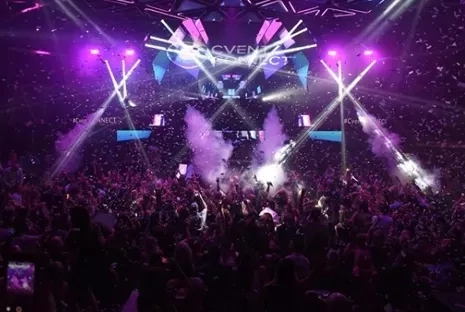
Everything you decide in the first few weeks sets the ceiling for the rest of the plan, so this is where your time pays off most.
Start with the goal, not the guest list. A team of 20 celebrating a strong year needs something completely different from a 300-person event that doubles as client appreciation. Get one clear sentence from leadership on what the party is for: a thank-you to employees, a cross-department mixer, a visible reward, or a bit of company-wide celebration. Write that sentence down and keep it visible, because it becomes your tiebreaker every time you're stuck between two options later.
Next, pin the budget before you fall for an event venue you can't afford. Get a firm number and confirm exactly what it covers, since some budgets stop at food and venue while others stretch across decor, entertainment, transportation, gifts, and a photographer. Then think in per-head terms. Divide the total by your expected headcount and you'll immediately see whether you're planning a plated dinner, a cocktail reception, or a relaxed happy hour. Protect a buffer of roughly 10 to 15 percent for the surprises that always surface: a service charge you missed, upgraded AV, an extra transportation run, a gratuity line.
Then book the event space, because the best ones go first in December. Match the room to your goal and your real headcount, and confirm the true capacity for your format. A space that seats 80 for dinner may only feel comfortable with 50 once you add a bar and a dance floor. If your company spans multiple offices, this is also where location comes in.
Teams often compare top event venues such as:
when they need strong flight access and deep hotel inventory, while event venues in Orlando and event venues in Denver tend to balance cost, capacity, and easy travel for a distributed group. Restaurant venues in your city suit a smaller team dinner, and outdoor venues in warmer markets can work if the weather cooperates and you have a solid backup plan.
Rather than cold-emailing properties one at a time, use a marketplace like Cvent Supplier Network to search venues that fit your city, size, and format, send RFPs, and compare proposals side by side. Cvent Top Lists can also point you toward vetted, popular event spaces by city and category, which is a fast way to build a shortlist when you're new to a market. Request quotes from at least three venues so you have real room to negotiate rates and concessions. Lock the caterer and any headline entertainment in this same window, since they book out just as fast.
Phase 2: 6 to 8 weeks out - build the experience
With the big pieces reserved, this phase is about shaping how the night will actually feel.
Send save-the-dates now so the party claims a spot before calendars fill. Even a simple hold keeps your date safe from the competing invitations that pile up every December.
Turn to food and drinks, which is what people remember most. Match the service style to your format and budget: a plated dinner feels more formal and controls cost, a buffet or food stations encourage people to move and mingle, and passed appetizers suit a reception built around conversation. Build the menu around who's attending, with vegetarian, vegan, gluten-free, and common allergen-free options as a baseline rather than an add-on. Give the bar its own plan too. Decide between a full open bar, beer and wine only, or drink tickets, and put real thought into non-alcoholic options so they're genuinely good. Quality mocktails and interesting soft drinks tell everyone they're included, not just the drinkers.
Line up the supporting vendors while you have runway: transportation, a photographer, rentals, and any entertainment beyond the headliner. Entertainment should track your goal. A DJ or live band suits a party built around dancing, while a quieter dinner calls for background music and a great space to talk. Interactive touches like a photo booth or a caricature artist give people something to do in the early stretch before the room warms up.
Phase 3: 3 to 4 weeks out - invitations, RSVPs, and the run of show
Now the plan meets the people, and clear communication is what turns a good setup into a well-attended night.
Send the formal invitation with every essential spelled out: date, time, location, dress code, whether plus-ones or partners are welcome, and a firm RSVP deadline. Ambiguity here creates a steady drip of one-off questions you'll spend days answering. Make the RSVP work harder by collecting dietary needs, accessibility requests, and plus-one details in the same step. Cvent event registration tools handle this far better than an email thread, giving you a live headcount, automatic reminders, and one place to see who's coming. Accurate numbers protect your budget directly, since catering and venue costs hinge on the final count.
This is also the moment to design for inclusion rather than bolt it on. Frame the event in warm, broad terms so people from different backgrounds feel genuinely invited, and "holiday celebration" or "end-of-year party" usually lands better than language tied to a single tradition. Watch the practical side too. Timing that runs very late or falls on a day with religious significance can quietly exclude parents, caregivers, and observers of different faiths, so choose a slot that lets the most people say yes. Make attendance feel welcome, never mandatory.
Sketch the run of show while you're here. Map the flow of the evening: arrival and welcome drinks, dinner or food service, any speeches or awards, then the open part of the night. If leadership wants to speak, keep it short and heartfelt, because a brief thank-you lands and a long one drags. Leave real white space in the schedule so the night can breathe instead of feeling like a mandatory meeting.
Phase 4: the final week - confirm everything in writing
The week before the party is about eliminating surprises, and almost all of it comes down to written confirmation.
Give the venue your final headcount and confirm every vendor's arrival time, setup window, and point of contact. Reconfirm the menu, the bar plan, dietary accommodations, AV needs, and access times for setup and teardown, and get it all in writing so there's no debate on the day. Print or prep your signage, name tags, and menus, and walk the event space if you can so you can picture the real flow: where people arrive, where they get a drink, where the speeches happen.
Brief your day-of helpers now, not on the morning of the event. Give each person a clear role, whether that's greeting guests, running the check-in table, or owning a specific vendor relationship. A quick shared document with the run of show, vendor contacts, and confirmation numbers means anyone who steps in can see exactly where things stand.
Phase 5: the day of - shift from planning to presence
By party day the decisions are made, and your job changes from planning to execution.
Arrive early, walk the space, and confirm the setup matches what you agreed: table layout, AV, signage, the bar, and any decor. Check in with each vendor as they arrive, confirm timing against your run of show, and share your mobile number so problems come to you before they reach the guests. Pack a day-of kit for the small emergencies that always surface, including tape, scissors, a phone charger, printed run-of-show copies, extra name tags, pens, stain wipes, and pain relievers.
Once the party is underway, resist the urge to manage every second. Keep a quiet eye on the flow, nudge transitions along, and handle issues discreetly, but let the night unfold. The clearest sign of a well-run party is that you get to enjoy a little of it too, because the structure you built is doing the work for you.
Phase 6: after the party - close the loop and set up next year
The event isn't over when the last guest leaves, and the final phase is what makes next year easier.
Confirm teardown and cleanup with the venue, retrieve any company property, and make sure nothing personal gets left behind. Settle final invoices promptly and reconcile them against your budget while the details are fresh. Send thank-you notes to vendors and to any colleagues who helped, since those relationships make next year's planning far smoother.
Capture feedback while the party is still top of mind. A short, optional survey tells you what landed and what to change, and it gives you concrete evidence when you ask for next year's budget. Ask about the venue, food, timing, and overall experience, and leave room for open comments where the most useful insights tend to live. Then write it all down: what worked, what you'd change, which vendors delivered, and what everything actually cost. That record turns each party into a sharper starting point for the next one.
Quick-reference countdown
- 10 to 12 weeks out: confirm the goal and budget, compare event venues by city, book the space, secure the caterer and headline entertainment.
- 6 to 8 weeks out: send save-the-dates, finalize the menu and bar plan, book transportation, photographer, and rentals.
- 3 to 4 weeks out: send formal invitations, open RSVPs with dietary and accessibility capture, draft the run of show.
- Final week: give final headcount, confirm all vendors in writing, print materials, brief your helpers.
- Day of: arrive early, confirm setup, pack a supplies kit, stay present.
- After: teardown, final invoices, thank-yous, feedback survey, and a recap for next year.
The bottom line
A great office holiday party rarely feels complicated to the people attending, and that ease is the payoff for planning it as a countdown rather than a last-minute rush. Work the phases, protect your buffer, design for everyone, and document what worked, and each year gets easier than the last. Ready to lock your event space? Start your search on Cvent Supplier Network.
FAQs
Start 10 to 12 weeks before your event. This gives you enough time to secure a venue, caterer, and headline entertainment before they book up during the busy December season.
Research cited in the article found that 55% of employees prefer an afternoon party during work hours over an after-hours event. Scheduling during the workday asks less of people's already-crowded December calendars.
Get a firm number from leadership, confirm what it covers, and then divide the total by your expected headcount to determine the right format. Always maintain a buffer of roughly 10 to 15 percent for unexpected costs such as service charges, AV upgrades, or gratuity.
Use a marketplace like Cvent Supplier Network to search venues by city, size, and format, send RFPs, and compare proposals side by side. Request quotes from at least three venues so you have real room to negotiate rates and concessions.
Frame the event in broad terms like "holiday celebration" or "end-of-year party" rather than language tied to a single tradition. Also consider timing carefully, since events that run very late or fall on days with religious significance can quietly exclude parents, caregivers, and observers of different faiths.
Match entertainment to your event's goal. A DJ or live band suits a party built around dancing, while a quieter dinner calls for background music and a great space to talk. Interactive options like a photo booth or caricature artist give guests something to do early in the evening before the room warms up.
Send a short, optional feedback survey while the event is still fresh, then write a recap covering what worked, what you would change, which vendors delivered, and what everything actually cost. That record turns each party into a sharper starting point for the next one.


