


Recruiting events haven’t gone out of style; they’ve merely changed shape.
In a market where candidates have more options and higher expectations, a well-run event can do what job boards and LinkedIn posts can’t: help people connect.
According to some research, around two-thirds of students would rather attend an event before they apply. That early exposure, whether it's through a hackathon, job fair, an open house, or even a brief virtual chat, seems to help applicants feel more confident about their choice. And for companies, it's a chance to get past the résumé and see who might actually be a good fit.
This blog article lists 12 such recruiting event ideas along with some tips on how to plan them.
What are recruiting events?
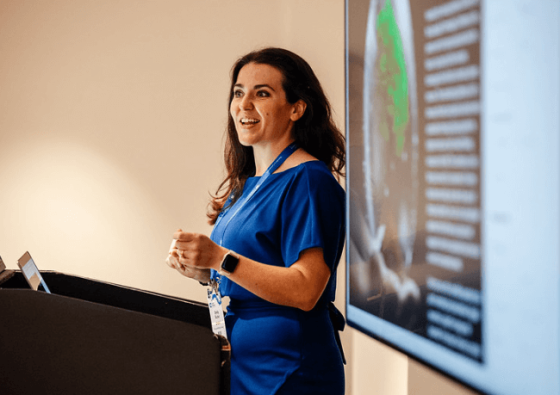
Recruiting events are where companies and candidates meet not only to discuss jobs, but also to get a sense of each other. They influence how candidates see the company and what they choose to do next.
Recruiting events can happen at different stages of the hiring process. Some are designed to attract new individuals and maintain a steady pipeline. Others speed up screening or put your company in front of someone who isn't looking yet but might be open to the right thing.
They can be buttoned-up or laid-back, whether online or in-person, and open to anyone or invite-only. What matters more than the setup is whether you're making connections because that's when both sides start to figure out if there's a fit. Explore these 12 recruiting event ideas for inspiration.
1. Recruiting mixers
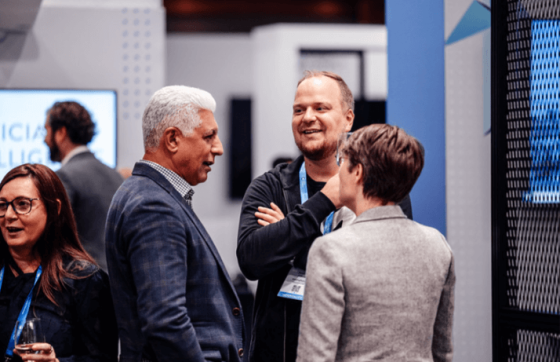
Sometimes the best conversations happen when no one's trying to impress anyone. A recruiting mixer ditches the formality. No interviews, no applications; just a room where your team and potential hires can talk like people.
Recruiting mixers are generally small events that you'll want to host in the office or somewhere nearby. It tends to work well if you're hiring for roles where teamwork or collaboration with others is essential. Keep the space easy to move through, throw on some background music, have canapes, and let people find their own rhythm.
2. Office open house events
An open house gives candidates a real look at where they'd be working. Bring them in to meet the team, invite them to internal events, sit in on a project, ask questions without a script, and gauge the vibe. You want some structure, a welcome table or maybe a quick intro with a team lead, but not so much that it feels staged. The goal is for them to leave thinking, "Okay, this is what it's actually like here."
3. Creative job fair ideas
Forty-five percent of students who attend a career fair ultimately receive an interview offer. It means candidates do take these events seriously, and companies should, too.
Since job fairs have been around for a long time and candidates often know the drill, you need to stand out so your booth doesn't blend in with the others. If that happens, you could potentially lose the chance to make an impact.
Replace job flyers with a QR code for easy application follow-up. Use branded visuals, set up interactive demos, design a short activity that reflects your culture, or draw inspiration from common networking event ideas, such as impromptu conversations rather than rehearsed spiels. A simple spin-to-win wheel or a 30-second “pitch your skills” booth can attract candidates and keep them engaged.
4. Interview event formats
When hiring a large number of people simultaneously, coordinating one-on-one interviews can significantly prolong the entire process. An interview event brings everyone together in the same room (or via Zoom) on the same day for back-to-back sessions. It's faster and often less draining than weeks of calendar Tetris.
Candidates typically apply and get screened beforehand. Then they show up, rotate through timed slots with different team members, and usually hear back faster than they would otherwise. Ensure to leave buffers between sessions and give your hiring team a shared rubric so everyone's evaluating on the same terms.
5. Hackathons and competitions
If you want to see what someone can do instead of reading about it, a hackathon might be your best bet. It's common for technical or creative roles (developers or product people) to tackle a real problem in a set window of time. You get to watch how they work under pressure, and they get a sense of what you'd expect from them day-to-day.
The format can also stretch to other areas, such as pitching contests for sales and creative sprints for designers. Keep the challenge relevant and the timeline tight. You'll need a space, the right tools, a clear problem to solve, someone to facilitate, and rules that don't leave room for confusion.
6. School and campus fairs
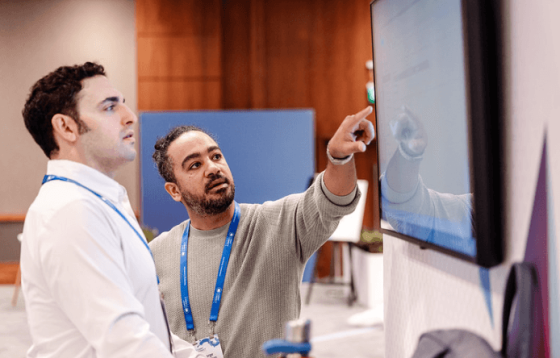
University campuses are still one of the best places to connect with early-career talent. But, you need the right approach and event planning strategies. The reality is that even college students can spot generic pitches a mile away.
When building campus and school fairs, aim for interaction. Don’t lead with job titles; rather, start with stories like how interns like them have grown in the company or what it’s like to work there.
You can host mini workshops or set up a “day in the life” station where students can explore your work through simulations or Q&A with junior employees. These formats are convenient for students who are still figuring out their career progression.
And most importantly, align your presence with key career weeks or graduation cycles to meet students when they’re actively exploring.
7. Executive meet-and-greets
Occasionally, candidates only want a reason to believe the company is worth their next career move. That's when it helps to bring in leadership. A brief session with your CEO or founder provides candidates with access to the individuals steering the ship. It shows you're not hiding behind corporate speak.
Executive meet-and-greets tend to be smaller and more conversational, akin to a fireside chat or open Q&A, and may be followed by drinks. They are ideal when hiring for roles where candidates need to trust the leadership vision before committing.
8. Reverse career fairs
In a reverse career fair, as the name suggests, the usual roles are flipped. Candidates set up booths, and hiring teams walk around to learn about them.
It’s a less traditional format, but one that can surface standout candidates, particularly in fields like design, media, tech, or academia, where portfolios and personal projects are more valuable than job titles.
This kind of event is effective when you’re trying to differentiate your hiring experience or make space for more equitable introductions. Recruiters don’t have to “sell” the company; instead, they should listen, observe, and engage with candidates on their own terms.
The only drawback of reverse career fairs is that they are more challenging to coordinate than a standard fair, as you must manage all the participants' setups and ensure the flow works smoothly.
9. Community-based hiring events
Some of the most effective recruiting events are local and built to strengthen long-term relationships. Think volunteer days or skill-building workshops co-hosted with community groups. These events might not be traditional recruiting activations, but they create face time with future candidates while reinforcing the company’s values in a public way.
They’re also an opportunity to reach underrepresented talent pools and build trust outside of typical hiring channels. When candidates see a company invested in their local community, it can change the conversation.
To plan these events, ensure that the company’s values align with the event and that it brings something valuable to the attendees.
10. Virtual recruiting events
Remote roles are here to stay, but online events still struggle with engagement. Virtual recruiting events are effective across time zones and reduce the need for in-person dependencies. All it requires is comprehensive event management software that lets you create small-group sessions and interactive Q&As, that don’t look like webinars or one-way broadcasts.
The idea is that candidates should have the opportunity to ask fundamental questions and walk away with a clearer understanding of the company. Share a short survey before the event or set up Slack or Discord groups for informal chats, so the group can carry the conversation forward during the event.
11. Hiring events for laid-off talent pools
Layoffs make the news for obvious reasons: people lose their jobs, projects are scrapped, and entire teams are disbanded. But if you're hiring, it's also a moment to step in and connect with professionals who didn’t expect to be job-hunting but are suddenly in that position.
If possible, contact the affected company directly. Even a simple partnership or shared contact list can make the hiring process smoother for everyone involved.
A thoughtfully timed hiring event aimed at this talent pool often works on multiple levels. Candidates value the clear outreach and quicker timelines. Employers have the opportunity to meet experienced individuals who have already been vetted by a peer company. And in the broader picture, it demonstrates that your company is willing to act when the industry shifts.
12. National hiring days
In certain situations, creating urgency through a high-visibility event can be better than traditional methods. A well-planned virtual, hybrid, or onsite national hiring day can rally teams and candidates around a shared goal: get good people in the door.
This format works well for roles that involve high volumes or repetitive tasks, such as those in retail, customer care, logistics, or seasonal work. But that doesn’t mean it only belongs there. With strong employer branding and internal coordination, any company can adapt the model.
Make national hiring days feel like a campaign, with visuals, stories, social media buzz, and clear steps for candidates to follow, whether they’re walking in or logging on.
How does Cvent Essentials make recruiting events more effective?
Recruiting events tend to follow similar patterns, but that doesn’t mean you should start from zero every time. Cvent Essentials makes it easier to manage recurring events by giving you reusable building blocks.
You can set up branded templates for registration flows, confirmation emails, surveys, reminder sequences, and feedback forms, all locked in with the right messaging and visuals. That way, every event reflects the same standard without relying on manual coordination.
Instead of redoing logistics each time, you can duplicate a past event, update dates, switch out the speaker list, change the location, tweak the copy, and hit publish. It saves time, reduces errors, keeps teams aligned, and helps you scale without losing control over the details.

Frequently asked questions
1. How to host a recruiting event?
It usually starts with clarifying the goal: are you looking to hire right away or build a future pipeline? Each purpose might call for a different format. From there, plan the logistics to ensure a clear flow through the space (or virtual room) and provide sufficient touchpoints that reflect your company's values. It also helps to align early with recruiters on what they’re hoping to get out of it.
2. How to create a recruiting strategy?
Start with what you're trying to do. Are you currently hiring or just trying to get on people's radar for a later opportunity? A good strategy appears to work when it combines storytelling (who you are and why someone should care) with outreach that's backed by real numbers and testimonials. Try not to put everything into one bucket. If LinkedIn's your only play, you're probably missing people. As a planner, you're turning that thinking into moments people remember. Not another booth they walked past, but something that made them stop.
3. How to prepare for a hiring event?
Start by syncing with the teams doing the hiring and asking about what roles are open and what kind of candidates are a good fit. From there, think through the experience from a candidate’s perspective. Does the event space facilitate easy conversation starters? Are there clear next steps if someone’s interested? Prepare your teams ahead of time and ensure candidates walk away with something useful, even if it’s just a contact name or a next step they didn’t have before.
Next, read 45 virtual event ideas (with examples) to try in 2026.


