


Brand activation is a key marketing strategy that essentially brings your brand to life, rather than just another promotional message. The goal is to establish a genuine connection with its audience through a range of activities, including events, campaigns, and other initiatives.
Ask any marketer what their last campaign achieved, and you’ll probably get metrics. Ask what people remembered from it, and the room goes quiet. Brand activations fix that gap. They turn marketing from something people scroll past into something they step into.
And it works. In one survey, 91% of customers said they’d feel more optimistic about a brand’s product or service after actively participating in a brand activation or experience. That’s the kind of lift you don’t get from impressions alone.
In this guide, we’ll explore what brand activation is, why it’s worth investing in, the various types, and practical ways to plan one that sticks, along with a few real-world examples that demonstrate its effectiveness.
What is brand activation?
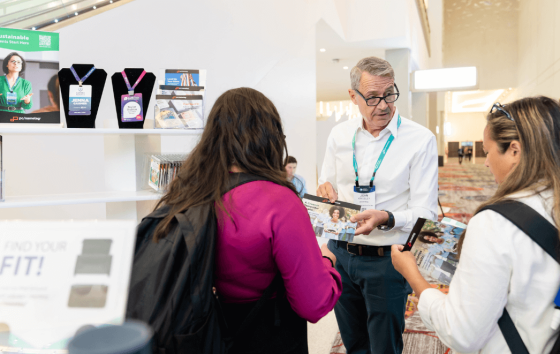
Brand activation occurs when a brand transitions from tellingits story to showcasing it in a way that allows people to experience it firsthand.
That experience can take a different form each time. It might be a hands-on demo at a trade show or a pop-up installation. Brand activation is the stage where curiosity and interest turn into connection.
People may forget the tagline, but they tend to remember how a moment felt, especially when they created that moment with you.
Why is brand activation so important?
People are exposed to thousands of ads, social media posts, articles, and emails every day, but only a few moments manage to make a real impact. Activations offer the chance to earn one of those moments.
When someone interacts with your brand in person or through an experience, they’re not just learning about what you offer. They’re also forming an opinion about how you make them feel. That emotional layer is what turns recognition into preference.
There’s also a practical side. Activations generate first-hand data that static campaigns can’t. They can generate insights into aspects such as how long people stay, what draws them in, what they share afterward, and which interactions lead to follow-ups or sales conversations. This information can help you shape everything from future event design to messaging tone.

5 types of brand activation campaigns
1. Experiential marketing activations
These are commonly the first examples that come to mind when people talk about activations. Experiential events allow audiences to engage directly with the brand.
That could mean transforming an empty event space into a sensory experience or setting up a pop-up that surprises commuters on their way to work. The format varies, but the goal remains the same: to trigger a positive and lasting impression. .
For instance, a tech company might build a “data storytelling lab” at an industry conference, letting visitors visualize their own analytics on the spot. When people can test or shape something themselves, they’re more likely to form an emotional link to it. That’s why experiential campaigns tend to linger in memory.
2. Digital and hybrid activations
Digital brand activations follow the same logic, but in a different medium. Instead of space, you’re guiding how people click, watch, respond, and share.
That might mean a challenge that unfolds on social media or a virtual booth where attendees explore content at their own pace. Hybrid models expand on this further: someone in a physical room and someone online can now share the moment in real-time.
Event technology gives planners a new layer of insight. It lets you see things like which sessions keep people engaged, which assets they return to, which were the most downloaded, and where attention starts to drift. That feedback loop helps you adapt mid-event, rather than waiting for post-event reports.
3. Trade show and B2B activations
Trade shows remain one of the steadier reliable testing grounds for activations because competition for attention is direct and visible. You can walk the floor and instantly tell which booths are working and which ones are just there.
A sound B2B activation might involve an interactive demo that helps attendees solve a problem on the spot or a quiet consultation zone where your team shares practical insight rather than a pitch. These moments signal expertise and invite trust.
If you’re planning your next trade show presence, start with a trade show checklist that covers logistics and experience. And don’t overlook post-event momentum. Capturing short videos or attendee quotes during the activation can turn a one-day event into ongoing content that keeps your story alive.
4. Community and partnership activations
Not every activation needs to start from within the brand. Ideas that originate from partners or communities often carry more authenticity. They work because they are rooted in shared beliefs. A sustainability company co-hosting a local clean-up, a software brand running a client innovation challenge, or an education platform featuring user-created tutorials are some examples.

How to create a successful brand activation strategy
Start with the value you want to demonstrate
Before considering formats or visuals, clarify the promise your brand wants to convey. Not the tagline; the valueunderneath it. Ask yourself: If someone spends two minutes with us at this activation, what should they walk away believing?
That single sentence becomes the anchor for everything else. It shapes your message, your tone, and the way you measure success. Without it, even a highly creative idea risks feeling disconnected.
Focus on your audience
Once the value is defined, turn your attention to the people you want to reach. Look at what you already know about them. More often than not, you'll see patterns emerge.
You might uncover that your audience prefers hands-on demos over presentations, or they engage more in small groups than open-floor activations. Understanding those tendencies helps you design something that feels tailored rather than generic.
This isn’t about building personas; it’s about reading behavior. And behavior is what activations respond to.
Use a simple SWOT analysis
With the audience in mind, take a moment to map the practical realities around you. A quick SWOT helps surface what’s possible and what isn’t. You might discover you have a strong product demo but limited space. Or that budget is tighter this quarter, so a digital-led or hybrid activation makes more sense than an extensive build-out. These constraints don’t limit creativity; they focus it. They guide you toward ideas that align with your resources and still deliver meaningful impact.
Choose channels where people discover you
An activation doesn’t live in isolation. How people find it matters just as much as what happens inside it. Think about the touchpoints your audience already uses or trusts. It could be email updates, partner newsletters, speaker announcements, industry media, or social threads within your community. Choose the channels that feel natural for them, not necessarily the ones with the largest reach.
Explore ideas once the foundation is set
Once the purpose, audience, constraints, and channels are established, you can then brainstorm. At this point, the question shifts from “What would look cool?” to “What would feel meaningful for the people we want to reach?” Some teams begin with rough sketches, while others collect references or build quick prototypes. What matters is that every idea connects back to the value you defined earlier.
Shape the experience around emotions
Features may draw interest, but emotions create lasting memories. Consider the feeling you want to evoke and build around it. This will influence everything from pacing and lighting to tone, the way staff welcome guests, and even how you guide people from one moment to the next. These cues help reinforce the message in a quiet and consistent manner.
Plan the flow for a cohesive experience
Strong activations can feel effortless, but that ease comes from thoughtful planning. Map the journey from the first sightline to the final takeaway. A simple run-of-show helps you deliver an experience that feels cohesive, even when the environment is busy. And if you’re repeating the activation across multiple markets, tools like Cvent Essentials help teams replicate what works while allowing for local nuances.
Capture insights and build on them
Finally, decide how you’ll determine whether the activation was successful. You don’t need every metric, just the ones that tie back to your original goal. It could be dwell time at an installation or something as simple as a follow-up meeting request. What matters is consistency. Keep measuring the same things each time, compare the results across events, and let those insights inform the next activation. Over time, the program becomes more focused and easier to scale.

Brand activation examples
Slack: Social-Led Engagement
Slack’s brand activation work has tended to echo the product itself: quick, user-friendly, informal, and a bit playful. Their social channels carry that same energy. They use short notes and expressive emojis, so the tone feels like an extension of how people already use Slack. Rather than listing features, a large part of their outward messaging circles back to a simple idea: work doesn’t have to feel heavy.
Spotify Wrapped
Wrapped has turned into a cultural moment because it taps into something personal without trying too hard. It’s a neat visual summary of a year’s listening habits—simple enough to skim, fun enough to share. When those slides start circulating, people who aren’t on Spotify end up wondering what their own list would look like. Wrapped doesn’t rely on spectacle; it works because the reflection feels familiar.
Intel Computex
At Computex, Intel explored the question of how to demonstrate the possibility rather than merely discuss it. Their 2016 keynote, featuring a holographic presentation, was still novel enough at the time that it stopped people in their tracks. In a trade show filled with competing noise, the format became the message. Attendees remembered the experience long after the booth visits blurred together, and that association stuck to the brand.
Snapchat: Spectacles Launch
When Snap Inc. rolled out Spectacles, the team skipped the usual tech-launch polish and placed a bright yellow vending machine on Venice Beach. That one “Snapbot” was the only place you could get the glasses early on, which made the purchase something you had to physically track down. People queued, snapped photos, and treated the hunt as part of the fun. By limiting access, the launch felt more like an experience than a product drop, and that sense of discovery made it stick.

Conclusion
Brand activations become memorable when they give people a reason to pause for a moment. They don’t have to be huge or theatrical; generally speaking, what people notice is whether the moment feels intentional and somehow true to the brand. The formats vary, but the point remains largely the same: you want people to feel something, not just glance at a message and move on.
When you’re planning the next one, stay close to what your audience cares about. Big ideas have their place, but the small, well-placed ones tend to linger far longer than you expect.
Frequently asked questions
1. How much does a brand activation usually cost?
There isn’t a tidy number here. A simple setup at a conference can sit in the lower five-figure range, but once you start talking about custom builds or multiple locations, the cost rises quickly. Quite a few teams end up working teams end up working backwards from the outcome they need because the format that fits one goal can be entirely wrong for another.
2. What’s the difference between brand activation and brand engagement?
Activation is the moment when you draw people closer and let them engage with the brand in a way that feels genuine, rather than distant. Engagement is whatever grows after that: curiosity, loyalty, conversation, or occasionally nothing at all. Activation gets someone’s attention; engagement is what happens if the moment resonates.
Next, read some proven tips for creating successful experiential events.


