


As technology and AI reshape how experiences are designed, delivered and measured, the fundamentals of Diversity, Equity, and Inclusion are coming into sharper focus. In an increasingly automated environment, trust, belonging, and human connection continue to anchor successful events, and DEI is central to building experiences people believe in.
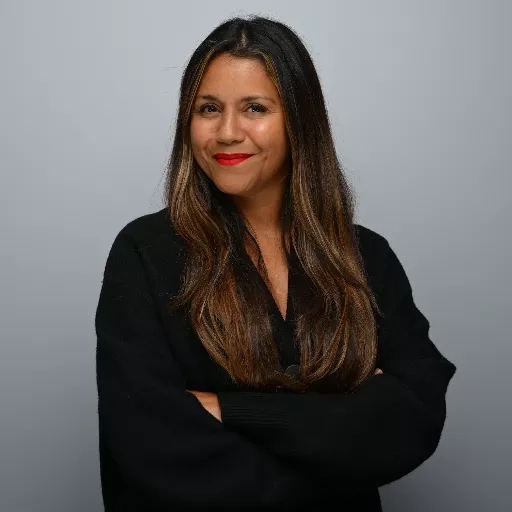
In this article, Diversity Alliance founder Gabrielle Austen-Browne explains why DEI still matters in 2026, what’s changed in the past year, and how organizers can move beyond box-ticking towards genuinely inclusive event design.
Key takeaways
- DEI remains fundamental in an AI-driven world: As technology and automation advance, the value of in-person events lies in human connection, trust and belonging — making inclusion a non-negotiable core of event design, not a “nice to have.”
- Audiences quickly spot performative efforts: Visually diverse panels and one-off initiatives are no longer enough. Attendees expect DEI to be authentic, consistent and embedded across the entire event experience, not just on stage.
- Good DEI is seamless and end-to-end: The most inclusive events feel easy to attend because every touchpoint — from communications to content, venues and suppliers — has been intentionally designed with diverse needs in mind.
DEI is one of the core event fundamentals reflected in Cvent’s 2026 Trends Report. This expert interview series explores why these fundamentals still matter, how they’re showing up in 2026, and what successful teams are doing to apply them more intentionally.
Why does DEI remain fundamental to event strategy going into 2026?
“As long as in-person events are about human connection, inclusion and belonging will always be fundamental.”
Events are ultimately about human connection, something that AI can’t truly replicate. As digital tools become more sophisticated, the value of being in the room lies in how people connect with one another. From a DEI perspective, that means creating genuine inclusion and a sense of belonging, not as a “nice to have”, but as a core part of what makes events meaningful.
DEI isn’t about making everything comfortable or uniform. In fact, it introduces productive friction. When planning events, speakers and audiences bring different perspectives, backgrounds and lived experiences into the room. Ideas don’t always align neatly, and that’s where innovation happens. That friction can feel uncomfortable, but it’s essential if events are to remain relevant and engaging.
The terminology may change; whether we call it DEI, inclusion, belonging, or representation, but the principle doesn’t. As long as events are about people coming together, inclusion will always be fundamental to their success.
What has changed in the last year that makes DE&I even more critical for 2026 events?
“People are much quicker to spot performative DE&I, and they’re much less tolerant of it.”
The rapid acceleration of AI has reshaped expectations across the events industry. On the one hand, AI offers real opportunities to improve productivity and enhance accessibility through captioning, translation, and session summaries. On the other hand, it also introduces new ethical risks. If these tools aren’t designed and used thoughtfully, they can easily reinforce exclusion rather than remove barriers.
Audience expectations have also shifted. People are far more attuned to performative DEI, such as assembling a visually “diverse” panel purely for optics. That kind of approach is increasingly easy to spot and quick to be called out.
As a result, organizers are under pressure to be more authentic and consistent in how inclusion is represented throughout the entire event experience.
While progress has been made in speaker selection and content delivery, structural change within organizations hasn’t always kept pace. Heading into 2026, audiences expect DE&I to be genuine, embedded and visible beyond just what appears on stage.
Where do people most often misunderstand or overlook DEI?
“Accessibility doesn’t lower standards; it raises the quality of the experience.”
One of the most persistent myths is that accessibility and inclusion automatically cost more. While there may be an initial investment, inclusive design almost always delivers long-term value, from broader audience reach to stronger engagement and better outcomes. It’s not an added expense; it’s an investment in quality.
Another common misunderstanding is the idea that diversity and excellence are opposing forces. There’s often a fear that accessible design will dilute creativity, visual impact, or brand expression.
In reality, inclusion should enhance experiences, not compromise them. Accessible fonts, better color contrast, or calmer sensory environments don’t make events less compelling - they make them work for more people.
Too often, assumptions go untested. Changes are resisted without gathering feedback or data to understand whether they actually improve the attendee experience. Without diverse perspectives involved in decision-making, these blind spots persist.
What does ‘good’ DEI look like in practice for events in 2026?
“The best inclusive events don’t shout about it — they just feel easy to attend.”
When DEI is done well, it’s often invisible. Attendees don’t notice it because the experience feels seamless, welcoming and easy, not because organizers are making a point of highlighting inclusion, but because it’s genuinely embedded.
In practice, that means thinking end-to-end. Forward-thinking organizations are auditing every touchpoint, from registration and pre-event communications to on-site delivery, speaker training and post-event follow-up. They’re asking whether presentations, exhibition stands, venues, emails and support services are accessible and inclusive by default.
While many events now include individual initiatives such as quiet rooms or live captioning, true progress comes when these elements are connected into a cohesive strategy. That requires training, rethinking budgets, building stronger business cases and capturing meaningful feedback.
In 2026, the focus will move from doing “the basics” to embedding inclusion throughout the entire event lifecycle.
What are the first steps to strengthening DEI in 2026 event programs?
“There’s no such thing as a ‘standard’ attendee — personalization is key to inclusion.”
The first step is to start small and start now. Trial practical initiatives such as captioning, quiet rooms or more accessible communications, then review what works and what doesn’t. These early actions help build momentum and demonstrate impact.
Next, secure buy-in from decision-makers. Without senior leadership support, particularly around budgets and priorities, DE&I efforts can quickly stall. Open, honest conversations are essential to ensure inclusion is seen as a strategic priority, not an optional add-on.
Finally, move away from the idea of a “standard” attendee. Lived experiences vary widely, even among people with similar access needs. Personalization is key: ask better questions, listen to feedback and be prepared to adapt. Accountability should also extend to suppliers, venues and partners so inclusion isn’t undermined elsewhere in the delivery chain.
What should people start or stop doing to improve DEI at events?
“If inclusion feels comfortable, you’re probably not pushing far enough.”
First, stop treating accessibility as a special favor. It shouldn’t be framed as “doing something nice” for a minority group. It’s a fundamental requirement of high-quality event design. Accessibility should be a baseline, not optional.
At the same time, planners should start embracing discomfort. If inclusion feels easy and comfortable, it’s likely that only the minimum is being done. Real progress happens when organizers ask challenging questions of themselves, their leadership teams, suppliers and venues, and are willing to rethink established ways of working.
DEI, like sustainability, is an ongoing process. It requires accountability, curiosity, and a willingness to be uncomfortable, because that discomfort is often where meaningful change begins.
With an interdisciplinary background spanning community inclusion, event management, and marketing communications, Diversity Alliance founder Gabrielle Austen-Browne brings her unique insights to complex organizational challenges. She helps create inclusive environments where diverse talent thrives, and business performance accelerates.
Explore more insights in Cvent’s 2026 Event Trends Report.


