


It’s check-in time, the front desk is swamped, a wedding group’s early arrival throws off housekeeping, and the revenue team’s still waiting on last night’s performance reports. Everyone’s busy, yet somehow, progress feels slow. Sound familiar?
That’s the daily juggling act for many hotel ownership groups and management companies. Teams are stretched, guest expectations keep rising, and costs never seem to sit still. Every small inefficiency (whether it’s a delay in RFP responses or a slow check-in) chips away at productivity and profit of each hotel in the portfolio.
In a world where travelers expect fast, seamless service, and planners want instant replies, smooth operations are no longer a “nice-to-have.” They’re the foundation of a profitable portfolio.
Technology is taking the heavy lifting out of hotel management. From automating routine tasks to centralizing data and simplifying communication, smarter systems give teams back their time.
Why operational efficiency matters for hotel groups
Operational efficiency in hospitality means giving your teams smoother days, calmer shifts, and more time to deliver the kind of service guests remember. When operations run like clockwork, everyone wins: staff feel less pressure, guests get better experiences, and owners see stronger returns.
Small inefficiencies add up fast. A late housekeeping update delays check-in. A manual report takes hours that could’ve been spent serving guests.
Most hotels already have the talent and drive. What they need is better support from their systems. When technology removes friction from day-to-day tasks, teams focus on what really matters: creating great stays, winning new business, and keeping guests coming back.
Top tech trends driving efficiency: AI, IoT, robotics, and embedded payments
Technology in hotels doesn’t have to feel complex or expensive. In fact, the smartest tools often work quietly in the background. They save time, cut waste, and make every guest interaction smoother. Here are a few trends transforming how hotels run day-to-day:
AI chatbots and voice assistants handle the simple stuff so your front desk doesn’t have to. AI implementation can lead to a 15-20% reduction in operational costs for hotels through automation and optimization. Need extra towels? Want to know when breakfast starts? Guests can ask and get instant answers. It keeps service quick and consistent, even during peak hours.
IoT sensors are like invisible helpers that spot problems before guests do. They track room occupancy, temperature, and lighting to prevent energy waste and flag maintenance issues early. A leaky tap or faulty AC gets fixed before it becomes a bad review.
Robotics are quietly finding their place too. They’re not a gimmick either. They’re a way to lighten the load. Think delivery bots dropping off room service or automated floor cleaners tackling late-night lobbies. It’s the kind of tech that keeps things running when staff are stretched thin.
Embedded payments is the unsung hero of frictionless travel. Guests can check in, upgrade, or pay for extras with a tap. No queues, no paperwork, no delays. It’s convenience that saves staff time and keeps guests moving.
Together, these tools don’t replace people. Instead, they make people’s work easier. And that’s the heart of operational efficiency: freeing teams to focus on what no robot or system can replicate: the human touch.
11 ways hotel groups can boost operational efficiency with technology
1. Automate RFP responses to win faster
If there’s one task that eats up time across hotel sales teams, it’s managing group RFPs. Sourcing requests flood in from multiple channels, each with different formats, deadlines, and details. Manually replying is time-consuming, slows down response rates, and risks missed opportunities.
Use a tool like Response Automation to take care of the repetitive parts of the process. This includes auto-filling standard information, pricing details, and brand-approved language so teams can focus on the deals that matter most.
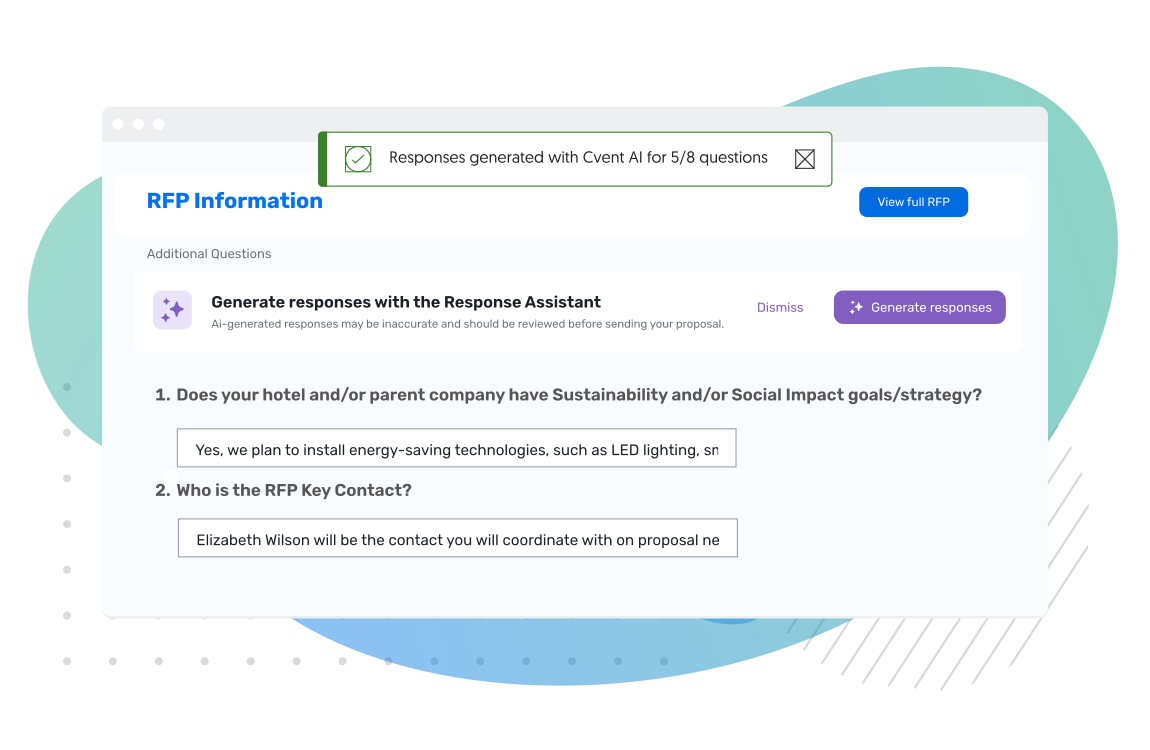
Faster responses mean more bids submitted, higher conversion rates, and a sales team that can breathe again.
2. Stay visible where planners actually search
If your hotels aren’t visible on the Cvent Supplier Network, you’re missing out on a massive pool of event planner business. Thousands of planners use the platform daily to search, compare, and shortlist venues. Listing your properties ensures they show up exactly where decisions start.
Visibility alone isn’t enough, though. Profiles need strong visuals, clear floorplan details, and competitive offers to stand out. Pairing that with Cvent’s digital ads can help your hotels stay top of mind during sourcing season. It’s one of the simplest ways to attract qualified leads without expanding your sales team.

3. Track performance with automated business intelligence
Running a hotel group means managing data from multiple properties, each with its own reports and quirks. Without automation, that’s hours of manual consolidation every week.
Business Intelligence tools change that by pulling everything into one dashboard. You can instantly see which hotels win the most RFPs, which markets are slowing down, and where response times slip.
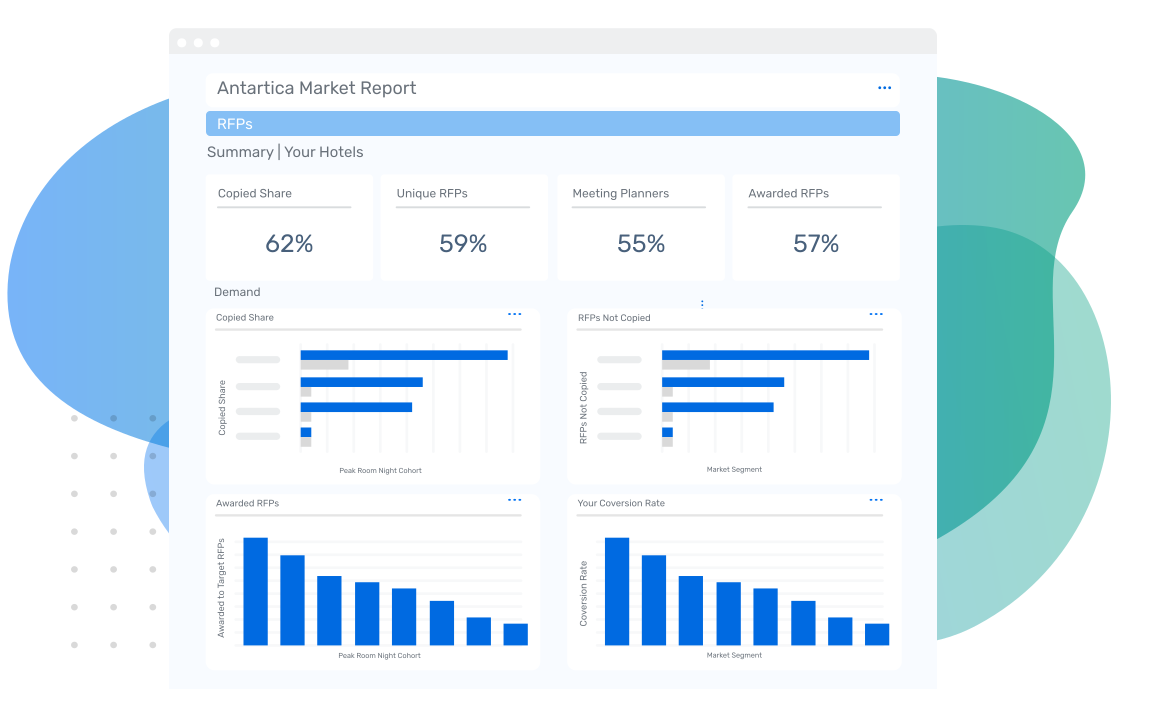
That kind of visibility helps management companies make smart, fast decisions. Instead of guessing why one property underperforms, you can pinpoint the issue and fix it, whether it’s pricing, speed, or visibility.
4. Use cloud-based PMS tools to unify your portfolio
When each property runs its own standalone system, communication gaps appear fast. A cloud-based property management system (PMS) ties your portfolio together, so ownership groups and GMs can access key metrics like occupancy, ADR, and housekeeping progress in real time. It turns scattered operations into one connected network.
That means no more waiting on end-of-day emails or manual data uploads. If one property’s pacing behind, corporate can step in early. If another’s outperforming, its practices can be shared instantly. Cloud PMS tools take the guesswork out of managing multiple hotels and make remote decision-making feel effortless.
5. Simplify housekeeping and maintenance with automation
Housekeeping coordination can make or break a guest’s first impression. Automating the process means rooms get cleaned as soon as they’re vacant, not hours later. IoT sensors can tell when a guest checks out, sending instant updates to housekeeping teams. Maintenance tech can log and prioritize requests automatically, avoiding the dreaded “room not ready” issue.
This saves time but also prevents revenue loss. Each unready room delays check-ins and clogs front desk workflows. When automation connects housekeeping, maintenance, and the PMS, everything moves in sync, keeping guests happy and turnover smooth.
6. Streamline staff scheduling and communication
Staff scheduling is often a manual puzzle of spreadsheets and last-minute texts. Modern workforce management tools handle it in seconds. They analyze past occupancy, forecast demand, and create optimized rosters automatically. Staff get real-time updates on their phones, so everyone knows where they’re needed and when.
The benefit goes beyond efficiency. Clear communication builds trust and reduces burnout. When employees feel in control of their shifts and know what’s expected, morale climbs. That directly impacts guest experience because happy teams deliver better service.
7. Save energy with smart building systems
Energy is one of a hotel’s biggest expenses, and it’s often where waste hides in plain sight. Smart building systems track electricity, heating, and water use in real time. They automatically adjust temperature and lighting when rooms are empty, cutting costs without sacrificing comfort.
Across multiple properties, the savings add up fast. Some ownership groups even link sustainability data into performance reviews, rewarding hotels that cut waste while keeping guest satisfaction high. Efficiency is good for business and for the planet.
8. Offer frictionless payments and digital check-ins
No guest enjoys waiting in line after a long flight. Digital check-in systems let guests skip the front desk, unlock their room via smartphone, and pay automatically through embedded systems. It’s smooth, secure, and takes pressure off your staff.
For hotel groups, this technology standardizes processes across properties. Payments sync instantly with accounting systems, cutting manual reconciliation work. The front desk team can focus on genuine welcomes instead of handling receipts and room keys.
9. Automate guest communication and upselling
AI chatbots or messaging apps can manage repetitive communication like confirming bookings, sharing Wi-Fi codes, or suggesting restaurant options. Guests get instant replies 24/7, even when staff are off-shift.
The real win is in upselling. These tools can automatically suggest room upgrades, spa treatments, or dining offers at just the right time. That creates extra revenue without adding pressure to staff and ensures guests always know what’s available.
10. Personalize stays without extra effort
Personalization doesn’t need to mean extra admin. Guest data platforms can remember preferences like room type, pillow choice, or favorite drink so staff can prepare in advance. Each return visit feels tailored, even though it’s powered by quiet automation behind the scenes.
That kind of thoughtful consistency builds loyalty. Guests feel recognized, not just remembered. And because the process runs automatically, it works just as well across ten properties as it does in one.
11. Forecast demand and optimize resources with AI
AI forecasting tools predict occupancy, staffing needs, and even F&B demand weeks in advance. That helps management teams budget smarter and avoid overstaffing or running out of key supplies. Instead of reacting to changes, you’re ready for them.
Combine that with automated reporting dashboards, and ownership groups can see operational performance in real time. It’s a clear, data-driven view of efficiency that helps teams act fast and stay ahead.
Frequently asked questions
How does AI improve hotel operations?
AI takes over repetitive, time-consuming tasks so staff can focus on high-value work. Think chatbots answering guest questions, predictive tools forecasting occupancy, or automated reporting systems showing exactly which hotels are performing best.
It speeds up decision-making, reduces errors, and makes teams more productive, all without replacing the human touch that guests notice most.
What role does sustainability play in reducing operational costs?
Sustainability directly saves money. Smart energy and water systems reduce utility bills, while monitoring waste and usage helps prevent unnecessary expenses.
When combined with efficiency dashboards, sustainable practices give hotel groups clear visibility into cost-saving opportunities across properties. Guests notice too, making it a win-win.
How do embedded payments improve checkout efficiency?
Embedded payments streamline the entire checkout process. Guests can pay automatically through mobile or in-room systems, skip queues, and even add extras like spa services or upgrades without staff intervention.
For the hotel, it reduces errors, speeds up reconciliation, and frees front desk teams to focus on service rather than paperwork.
What efficiency stats should hotels benchmark?
Key metrics include average check-in/check-out times, RFP response speed, housekeeping turnaround, occupancy pacing, and energy usage per room.
For hotel groups, looking at trends across multiple properties helps spot outliers, identify best practices, and make smarter operational decisions. Benchmarking these stats gives teams a clear roadmap for continuous improvement.
Smarter systems, smoother stays
Running multiple hotels doesn’t have to feel like spinning plates. The right mix of automation, data, and connected systems takes the chaos out of daily operations, freeing teams to focus on what really matters: delivering experiences guests love and planners trust.
Start small. Pick one area whether that’s RFP responses, reporting, or guest communication and see the impact. Even modest efficiency gains quickly multiply across a portfolio. Over time, these systems don’t just save hours or cut costs; they create calmer teams, happier guests, and a business that can grow without burning out your staff.
Next up, find out how AI boosts hotel revenue.


