


Boston has a way of revealing itself gradually. You see it on an early site visit when you can walk from hotel lobbies to the waterfront in minutes, or when you realize your attendees can follow the Freedom Trail, grab dinner in the North End, and still make an evening reception without a long transfer. On paper, Boston is the 25th largest city in the U.S. and the center of the 11th largest metro area, with more than 650,000 residents in the city and nearly 5 million across Greater Boston. In reality, that scale translates into steady energy, evolving neighborhoods, and public spaces that feel active but not overcrowded - ideal conditions for group movement and off-agenda exploring.
For event planners, that mix of size and walkability is a practical advantage: you get the variety of a major market with the convenience of a compact footprint.
In this guide, you’ll find the best things to do in Boston - 15 core attractions, tours, and local experiences you can plug into free time, incentive programs, or pre- and post-event schedules, plus ideas you can adapt for today, this weekend, or a longer stay.
What are the best things to do in Boston?
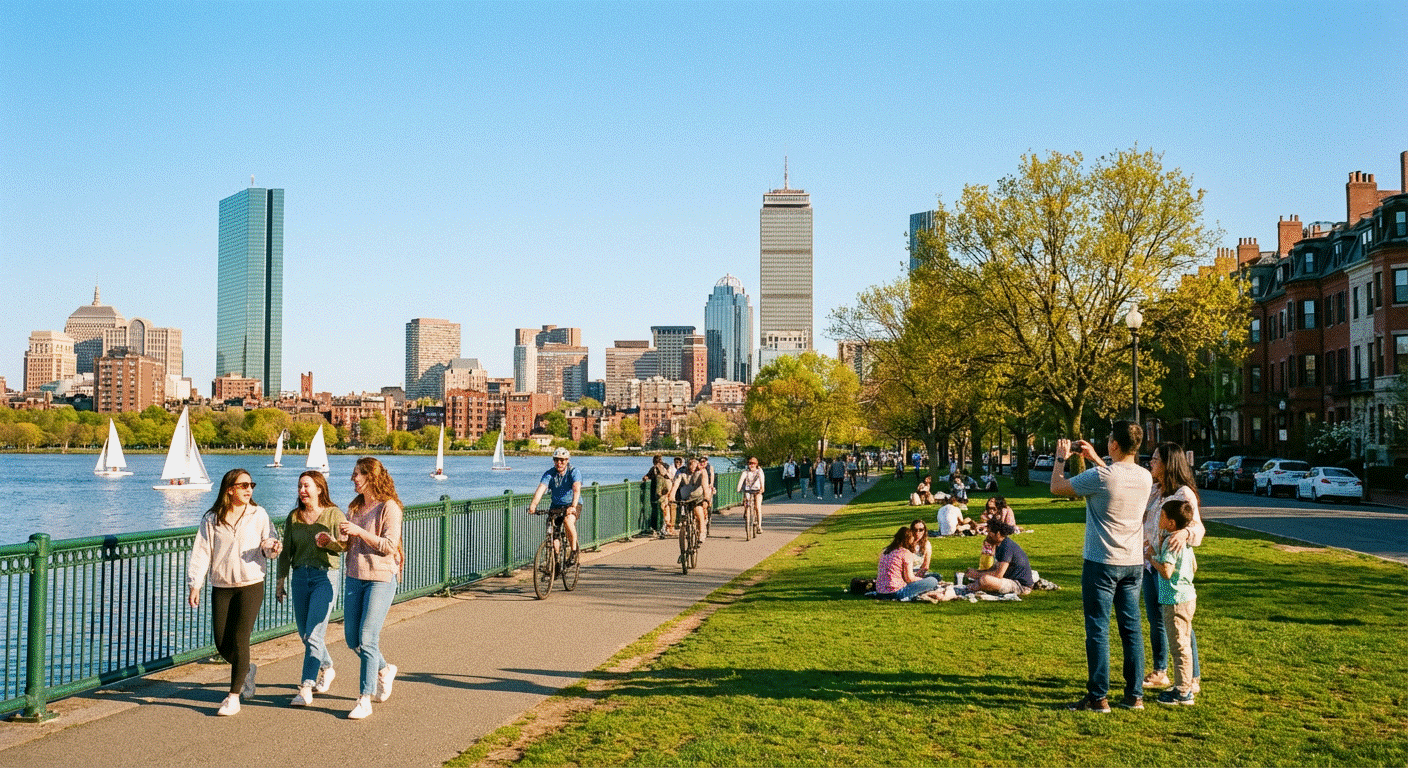
When you’re planning a trip to Boston, it helps to start with a short list you can actually use. The city is compact, so you can move from historic sites to the waterfront and neighborhood food spots without spending all day in transit. A focused list also makes it easier to plan around weather, timing, or last-minute schedule changes. Below are the main places most visitors and locals agree belong on any list of the best things to do in Boston.
Top 15 best things to do in Boston
- Freedom Trail
- Faneuil Hall Marketplace & Quincy Market
- Boston Common
- Boston Public Garden
- Museum of Fine Arts, Boston
- Isabella Stewart Gardner Museum
- North End
- Boston Harbor cruise
- New England Aquarium
- Charles River Esplanade
- Fenway Park
- Seaport District
- Museum of Science
- Newbury Street & Back Bay
- Beacon Hill
Top 15 best things to do in Boston
Walk the Freedom Trail
The Freedom Trail is one of the simplest ways to get oriented in Boston. A red brick (or painted) line runs through downtown, past churches, burial grounds, and landmarks tied to the American Revolution. You can join it for a short section near your hotel or follow the full 2.5-mile route for a deeper look at the city’s history. Along the way, you move through different neighborhoods without needing to worry much about navigation.
Why it’s worth your time: It lets you see many of Boston’s most important historic sites in one connected walk, with plenty of options to stop for photos, food, or coffee along the route.
Best time to visit: Early morning or late afternoon for cooler temperatures and fewer crowds; weekdays are generally smoother than weekends, especially in peak season.
Faneuil Hall Marketplace & Quincy Market
Just steps off the Freedom Trail, Faneuil Hall and Quincy Market bring together historic halls, food courts, and busy outdoor plazas. Inside, you’ll find a wide mix of quick bites, local specialties, and casual sit-down spots. Outside, open courtyards and surrounding streets fill with visitors, workers on lunch break, and often street performers. It’s an easy place to pause between other stops without needing a long visit.
Why it’s worth your time: You can grab a meal, shop, and take in the street atmosphere in one central location, making it a convenient stop to build into almost any Boston itinerary.
Best time to visit: Late morning to mid-afternoon for the most food options and energy; visit on weekdays or earlier in the day if you prefer smaller crowds.
Boston Common & Public Garden
Boston Common and the Public Garden sit side by side at the edge of downtown, giving you a large green space right in the center of the city. The Common feels more open, with lawns, paths, and gathering areas, while the Public Garden is landscaped with flowers, trees, and the lagoon. Together, they’re ideal for a short walk, a quiet break, or classic Boston photos, including the bridge and (in season) the swan boats.
Why it’s worth your time: It offers an easy, low-effort way to step out of busy streets and add some fresh air and greenery to your day, all without leaving the city center.
Best time to visit: Late spring through early fall for flowers and full foliage; early mornings for calm paths, and late afternoon or early evening for softer light and good people-watching.
Tour the Museum of Fine Arts Boston
The Museum of Fine Arts (MFA) is one of Boston’s key cultural stops, with collections that span ancient history, American art, European masters, and rotating special exhibitions. It’s easy to tailor your visit: you can focus on a few galleries if you’re short on time or plan a deeper walk-through if you have a free afternoon. The building is straightforward to navigate, and there are cafés and seating areas if you need a break between sections.
Why it’s worth your time: It offers a concentrated dose of art and culture in one place, making it a strong indoor option that still feels like a highlight of your visit rather than a fallback for bad weather.
Best time to visit: Mid-morning or early afternoon on weekdays for calmer galleries; off-peak seasons outside major holidays are best if you prefer a quieter experience.
Discover the Isabella Stewart Gardner Museum
A short walk from the MFA, the Isabella Stewart Gardner Museum feels more like an atmospheric home than a traditional museum. Its courtyard, cloisters, and intimate galleries create a quieter, more personal setting. Artworks, furniture, and objects are arranged the way Isabella Stewart Gardner originally intended, so the entire space feels like a single, layered story rather than separate rooms.
Why it’s worth your time: The combination of architecture, art, and garden views makes this one of Boston’s most distinctive indoor experiences, especially if you appreciate quieter, visually rich spaces.
Best time to visit: Weekday mornings or late afternoons for a more relaxed pace; booking tickets in advance is helpful during weekends and peak travel periods.
Stroll the North End (Boston’s Little Italy)
The North End blends historic landmarks with some of city's most familiar food streets and restaurant venues in Boston. Narrow blocks are lined with Italian bakeries, cafés, and restaurants, while sites like Paul Revere’s House and the Old North Church sit just a few minutes apart on foot. It’s easy to combine a bit of history with a sit-down meal or a quick pastry and coffee stop.
Why it’s worth your time: You get a compact neighborhood that delivers both classic Boston history and memorable food, all within a few walkable blocks.
Best time to visit: Late afternoon into evening works well for combining sightseeing with dinner; weekdays or earlier dining times help avoid the longest waits at popular spots.
Take a Boston Harbor cruise
A Boston Harbor cruise gives you a clear view of the city’s skyline and its position on the water without much planning on your part. Most cruises follow set routes past key landmarks, harbor islands, and waterfront neighborhoods. You can choose from simple sightseeing sailings, themed tours, or sunset and evening departures depending on your schedule and group.
Why it’s worth your time: It offers a different perspective on Boston in a fixed 60–90 minute window, which is easy to fit between daytime activities or before dinner plans.
Best time to visit: Late afternoon and sunset departures give you softer light and city lights coming on; weekdays generally mean less crowding at boarding.
Experience the New England Aquarium
The New England Aquarium sits right on the waterfront, making it easy to pair with a harbor walk or cruise. Inside, the central Caribbean reef tank, penguin habitats, and touch tanks keep the visit engaging without requiring a full day. Clear pathways and layered viewing areas make it simple to navigate, whether you’re visiting solo, with family, or in a small group.
Why it’s worth your time: It’s a dependable, weather-proof activity that still feels connected to the harbor, with enough variety to hold attention for a few focused hours.
Best time to visit: Early morning right after opening or later in the afternoon to avoid peak mid-day crowds, especially on weekends and school holidays.
Walk or bike the Charles River Esplanade
The Charles River Esplanade offers long, continuous paths along the water, with views of both the river and the Boston and Cambridge skylines. It’s an easy place to stretch your legs between meetings or sightseeing stops, with spots to sit, small docks, and plenty of open space. You can walk a short section, go for a run, or rent a bike and cover more of the riverfront.
Why it’s worth your time: It gives you a straightforward way to add fresh air and movement to your day, with city views and access points close to Back Bay and other central neighborhoods.
Best time to visit: Early mornings for calm paths and cooler temperatures; late afternoons and early evenings for more activity and warm, golden-hour light, especially in spring and fall.
Visit Fenway Park
Fenway Park is deeply woven into Boston’s story, and stepping inside gives you a clear sense of why. The park’s compact footprint, quirky angles, and views of the Green Monster make it feel very different from newer stadiums. Around the park, streets fill with fans, merchandise stands, and food spots on game days, turning the neighborhood into a busy, walkable area. Even if you don’t attend a game, guided tours take you through the stands, press areas, and vantage points you wouldn’t normally see.
Why it’s worth your time: It’s one of the most recognizable ballparks in the country, and experiencing it in person gives you a direct connection to Boston’s sports culture, traditions, and neighborhood energy. A tour or game here can easily become the centerpiece of a day’s plans, especially if you combine it with nearby restaurants or bars.
Best time to visit: Game days when you want full atmosphere and crowd energy; non-game weekdays earlier in the day for tours with lighter foot traffic and more time to take photos and look around.
Explore the Seaport District
The Seaport District highlights Boston’s newer, more contemporary side. Glass towers, wide sidewalks, and open plazas line the harbor, with views stretching across the water and back toward the skyline. You’ll find a dense cluster of restaurants, bars, and cafés, along with museums, outdoor patios, and event spaces that stay active well into the evening. Walking paths and boardwalks connect piers and public areas, so you can move easily from one stop to the next without needing much transportation.
Why it’s worth your time: It offers a clear contrast to historic neighborhoods like the North End and Beacon Hill, with modern architecture, waterfront dining, and plenty of spots for informal meetups or unstructured free time. The compact layout also makes it simple to plan a full evening here - sunset harbor views, dinner, and a post-meal walk can all happen within a few blocks.
Best time to visit: Late afternoon into evening, especially in spring, summer, and early fall when patios and harborfront seating are open. Weeknights tend to be lively without being overwhelming, while weekends can feel busier and more social.
Explore the Museum of Science
The Museum of Science sits at the edge of the Charles River and spreads its exhibits across multiple wings and levels. Inside, you’ll find hands-on displays about physics, engineering, ecosystems, space, and technology, along with live demos and rotating special exhibits. The layout encourages interaction - many stations invite you to push buttons, test ideas, or watch short experiments. The planetarium and IMAX-style films add optional experiences if you want to turn the visit into a half day or more.
Why it’s worth your time: It’s one of Boston’s most engaging indoor attractions, especially if you like learning by doing rather than just reading plaques. The range of topics means there’s something for most interests, from kids and families to adults who enjoy science and technology. It’s also a good backup plan when the weather makes outdoor time less appealing.
Best time to visit: Weekday mornings, when school groups and general visitors are more spread out, give you the easiest movement through exhibits. Avoid peak school vacation weeks and major holidays if you prefer a quieter experience or need more predictable timing.
Shop and dine on Newbury Street & in Back Bay
Newbury Street runs through the heart of Back Bay, framed by brownstone buildings, tree-lined sidewalks, and a steady mix of shops and cafés. The blocks closest to the Public Garden skew more boutique and gallery-focused, while farther down you’ll find a blend of national brands and casual spots. Side streets and nearby avenues add more restaurants, bars, and small businesses, so you can easily turn a short walk into a full afternoon. Back Bay itself, with its grid of historic streets and skyline views, adds to the experience as you move between stops.
Why it’s worth your time: It combines shopping, people-watching, and classic Boston architecture in one compact area, making it a flexible option for free time, informal meetups, or a lighter day between more structured activities.
Best time to visit: Late morning through afternoon for browsing and coffee stops; early evening for dinner and a more relaxed street atmosphere, especially in warmer months.
Step into history on Beacon Hill
Beacon Hill is one of Boston’s most photographed neighborhoods, known for narrow, sloping streets, brick sidewalks, and gas lamps that still line the blocks. Walking here feels slower by design - you’ll pass townhouses, small shops, and side streets that reveal hidden courtyards and quiet corners. Acorn Street and the surrounding area are frequent backdrops for photos, but the broader neighborhood is just as interesting if you’re willing to wander a bit.
Why it’s worth your time: It offers a concentrated dose of historic Boston character without needing tickets or a fixed schedule; you can simply walk, take photos, and stop into a café or small shop when something catches your eye.
Best time to visit: Daytime hours for easier navigation on the brick sidewalks and better visibility for photos; early mornings for a quieter feel, and late afternoons for warm light on the buildings, especially in spring and fall.
Plan day trips from Boston, MA
If you have more than a couple of days in Boston, a short day trip can add variety without requiring a complicated itinerary. Salem, reachable by train or ferry in season, offers maritime and witch-trial history in a compact, walkable setting. Cape Cod gives you classic New England coastal scenery, beaches, and small towns if you’re willing to travel a bit farther. Closer to the city, Cambridge and Harvard Square sit just across the river, with university architecture, museums, bookstores, and casual dining that feel distinct from central Boston.
Why it’s worth your time: These nearby destinations provide a change of pace and setting while staying close enough to return the same day, letting you see more of the region without repacking or moving hotels.
Best time to visit: Late spring through fall for Salem and Cape Cod, when weather and seasonal businesses are most reliable; Cambridge and Harvard Square work well year-round, with weekdays offering a more typical campus and neighborhood rhythm.
Fun things to do in Boston for every type of visitor
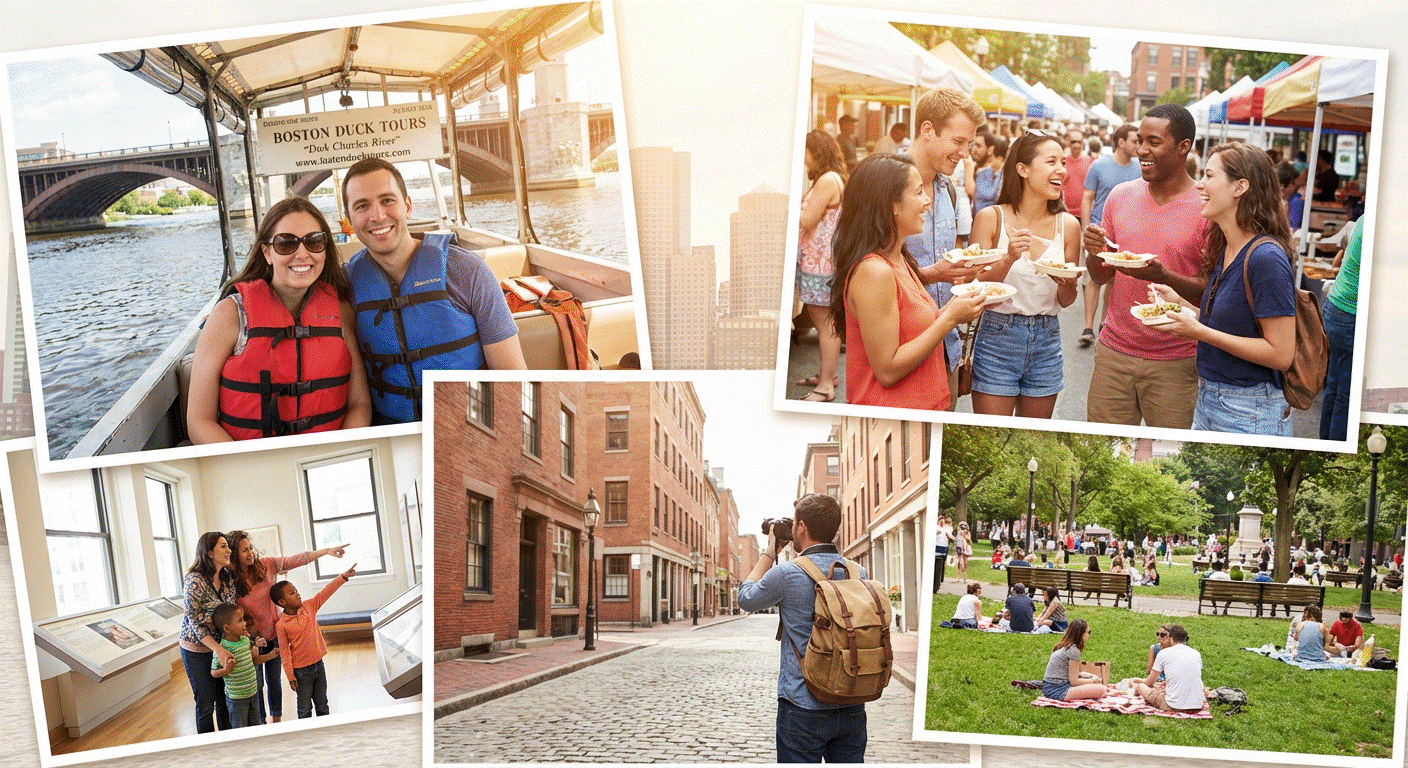
Beyond the big-name attractions, Boston has plenty of low-pressure ways to fill free time or round out an itinerary. These options work well whether you’re here for a quick city break, a conference, or a longer stay with open evenings. Most are easy to reach from central neighborhoods and don’t require heavy pre-planning, which makes them useful when schedules shift. You can use them as add-ons after a day of sightseeing, flexible choices for attendee free time, or simple ways to see a more local side of the city.
- Boston food tours – Guided tastings in the North End, Downtown, or across multiple neighborhoods
- Boston Harbor and waterfront walks – Stroll along the Harborwalk or Christopher Columbus Waterfront Park, especially at sunset
- Live music and comedy in Boston – Small venues, local clubs, and shows at places like The Wilbur or Laugh Boston
- Boston rooftop bars and skyline lounges – Drinks with views in Back Bay, Seaport, and downtown hotels
- Boston breweries and taprooms – Visits to local spots in Seaport, Jamaica Plain, and other neighborhoods
- Boston festivals and seasonal markets – Street fairs, holiday markets, and outdoor events across the city
- Boston public art and murals – Self-guided walks in the Seaport, South End, and along the Greenway
- Charles River Esplanade biking and walking – Casual rides, jogs, or walks with river and skyline views
- Boston seasonal ice skating and outdoor patios – Winter rinks like Frog Pond; spring–fall patios and outdoor dining areas
Free things to do in Boston (budget-friendly picks)
Boston makes it easy to explore without adding much cost to your plans. Many of the city’s top areas are open, walkable, and close to each other, so you can cover more in less time. You can move between parks, historic streets, and waterfront paths without needing tickets or transport. This makes it simple to fill free hours or balance out paid activities. For planners, these options also work well for attendee downtime or casual group exploring.
- Walk the Freedom Trail for a self-guided look at key landmarks
- Relax in Boston Common and Boston Public Garden
- Explore the streets of North End and Beacon Hill
- Walk along the Charles River Esplanade or Boston Harborwalk
- Browse Newbury Street in Back Bay
- Visit the Boston Public Library
These budget-friendly options make it easy to build a full Boston itinerary without overspending. You can combine a few of them into a single day or use them as flexible add-ons between scheduled plans.
Things to do in Boston this weekend
Weekends in Boston usually come with a full calendar of things you can join without much advance planning. From neighborhood markets and seasonal festivals to live shows and waterfront time, you’ll find options that work for a few free hours or a full day. The key is choosing activities close to where you’re staying or meeting so you spend more time enjoying the city and less time in transit. Here are ideas you can mix and match when you’re asking what to do in Boston this weekend.
- Browse Boston farmers markets – Weekend markets with local produce, coffee, and ready-to-eat food
- Join a Boston food or walking tour – Guided routes through the North End, Downtown, or Fenway
- Catch a live show or comedy night – Evening performances at local theaters, music venues, and comedy clubs
- Visit special exhibits at Boston museums – Limited-time shows at the MFA, Museum of Science, or other institutions
- Explore Boston festivals and street events – Seasonal neighborhood fairs, cultural festivals, and outdoor concerts
- Plan a Boston Harbor or river cruise – Daytime sightseeing cruises or sunset sailings on the weekend schedule
- Spend a half day in Cambridge or Harvard Square – Cross the river for bookstores, cafés, and university architecture
- Walk the Freedom Trail highlights – Cover a shorter section around downtown and the North End in a few hours
How to plan your Boston itinerary (1 day)
Planning Boston works best when you cluster stops by area instead of crisscrossing the city. Most major sights sit within a short walk or ride of each other, so you can build a straightforward day around two or three neighborhoods. Think in simple blocks of time - morning, afternoon, and evening - and choose a few anchor experiences for each. Here’s an easy 1-day structure you can adjust based on your pace and interests.
Morning (downtown and history)
- Walk key sections of the Freedom Trail
- Stop at Faneuil Hall Marketplace and Quincy Market
Afternoon (parks and shopping streets)
- Visit Boston Common and the Public Garden
- Browse Newbury Street and Back Bay cafés or shops
Evening (waterfront or classic neighborhood)
- Take a Boston Harbor cruise or
- Head to the North End for dinner and an evening walk
Final words
Boston is a city that fits naturally into a well-planned schedule. You can move from history to waterfront views, from structured tours to casual neighborhood exploring, without adding complexity to your day. That flexibility is what makes it work so well for both short visits and extended event programs. As you build your plans, focus on proximity, timing, and variety. Group nearby experiences, leave space for breaks, and mix indoor and outdoor options to stay adaptable.
Whether it is a quick weekend visit or a multi-day agenda, Boston gives you enough range to keep every moment purposeful without feeling rushed. If you are planning an event, the same logic applies. Strong venues matter, but what surrounds them matters just as much. You can also explore more venues and experiences on the Cvent Supplier Network to support and streamline your planning.
FAQs
Boston's 15 top attractions include the Freedom Trail, Faneuil Hall Marketplace, Boston Common, the Museum of Fine Arts, the North End, Fenway Park, and the Seaport District, among others. The city's compact layout means you can visit several of these in a single day without much transit time.
Yes, Boston is notably walkable, and many major attractions sit within a short distance of each other. You can move from historic sites to the waterfront and neighborhood food spots without spending much time in transit.
Free options include walking the Freedom Trail, relaxing in Boston Common and the Public Garden, exploring Beacon Hill and the North End, strolling the Charles River Esplanade, and visiting the Boston Public Library. These can easily be combined into a full day without adding much cost.
A practical one-day plan groups stops by neighborhood: start with the Freedom Trail and Faneuil Hall in the morning, visit Boston Common and Newbury Street in the afternoon, then head to the North End for dinner or take a Boston Harbor cruise in the evening.
Salem, Cape Cod, and Cambridge are all easily accessible from the city. Salem and Cape Cod are best visited late spring through fall, while Cambridge and Harvard Square work well year-round.
Weekday mornings or early afternoons are generally calmer at museums and historic sites. In contrast, late afternoons and evenings work well for waterfront areas and neighborhoods like the Seaport and North End.
The Charles River Esplanade offers walking, running, and biking paths with views of the river and the skyline. At the same time, Boston Common, the Public Garden, and the Boston Harborwalk provide additional outdoor options close to the city center.

Prashant Pal
You may also like


