


Events in 2026 will be defined by intentionality. AI is becoming operational, trust is harder to earn, and outcomes matter more than ever. At the same time, audiences are more selective, choosing experiences that feel intentional, relevant, and worth their time.
So how can you navigate these shifts?
Read on to discover the nine event trends shaping the year ahead, and how they’ll impact your strategy in 2026.
Want more insights into the big shifts shaping 2026? Check out our full 2026 trends report.
Key takeaways
- AI has moved from experimentation to expectation. In 2026, the focus is on practical use cases, clear outcomes, and proving the value of AI across the event lifecycle.
- Trust is the differentiator. In an AI-saturated, low-trust digital world, events stand out as one of the most effective ways to build credibility, human connection, and long-term loyalty.
- Relevance is driving engagement. Personalization is becoming attendee-led, while exclusivity and micro events are shaping experiences that feel intentional, meaningful, and built around peer-to-peer connection.
- Proof matters more than ever. As digital attribution becomes harder, events are emerging as a critical source of first-party data and a foundation for measurable growth.
Trend #1: AI goes operational
TL;DR: AI focus has shifted to accountability. In 2026, it’s about proving the tangible benefits of AI use.
We’ve gone through the early wave of generative AI experimentation, and today we’re starting to see the emergence of agentic AI: technology that has the potential to take on tasks autonomously and support teams in more meaningful ways.
66% of event professionals say AI allows them to spend more time on high-value work.
As organizations continue to invest in AI, they’re increasingly asking the question: what value is AI actually delivering?
2026 will see teams moving past experimenting with AI just for the sake of it. Teams that are seeing results are being deliberate about where AI is embedded into everyday workflows, and they’re clear on how they will track impact.
The teams getting this right tend to start in the same place: they’re clear on the outcomes they want to improve, they understand which tasks AI can support, and they have a plan for how impact will be measured.
When it comes to use cases, this can show up in practical, tangible ways across the event lifecycle. For example:
- Using AI-driven sourcing and diagramming tools to find the right venues and vendors more quickly
- Personalizing event recommendations and summaries to increase engagement
- Getting insights from survey responses and engagement data to improve future event outcomes
See how CventIQ combines industry know-how and AI to deliver smarter, higher-return events.
Implementing AI the right way
But how AI is implemented internally matters just as much.
That starts with AI literacy. Teams need to understand what AI is good at, where its limitations are, and how to balance its use with human creativity and expertise.
It also means putting basic governance in place. Clear guidance on approved tools, data usage, and where human oversight is required helps teams use AI confidently.
And finally, it means measuring impact in ways that leadership can understand. That might be time saved, reduction in manual tasks, faster reporting cycles, or improvements in attendee experience.
Here's what Neil Brownlee, Head of Business Events, VisitScotland, has to say about AI:
“AI will increasingly take on ‘mundane but critical’ tasks, freeing us to focus on higher-value work. But to make that meaningful, we must stop talking about AI as a concept and start talking about the specific tools and outcomes it delivers.”
Trend #2: Trust is a brand differentiator
TL;DR: If you want to stand out in 2026, you need to prioritize building trust at every touchpoint.
These days, it’s getting harder to tell what’s real online and what isn’t.
AI-generated content is everywhere, and misinformation spreads fast. Feeds are noisier than ever, and digital fatigue is real. So it’s no surprise that people are more sceptical of what they see, selective with what they consume, and far more tuned in to what feels genuine.
That’s why trust has become the defining currency. In 2026, the brands that stand out are the ones that prioritize authenticity, credibility, and human connection.
This is where events have a clear advantage.
Events are one of the few spaces where you can build trust through genuine human connection. They offer a level of credibility and emotional connection that digital channels struggle to replicate. Conversations that aren’t scripted. Products that can be seen, touched, and questioned. Moments that feel real because they are.
At events, people experience how a brand shows up, how it treats its audience, and whether the experience delivers on the promise. In fact, research consistently shows that people are more likely to trust a brand after a live experience.
Building trust starts with understanding your audience: what they care about, the challenges they’re trying to solve, and what they want from the experience. When events are designed around those needs, people feel understood, not sold to.
How hospitality teams can build trust
This shift matters for hospitality teams, too. As technology becomes more embedded into the event experience, the most trusted venues will be the ones that use it subtly and intentionally. Guests don’t want to notice the technology powering the experience, but they do want to feel looked after.
When technology runs seamlessly in the background, it removes friction and enables responsiveness. Staff are free to focus on service, and experiences feel smooth rather than staged. Trust is reinforced through care, consistency, and attention to detail.
Safeguard data, build trust
Trust also grows when brands are transparent and respectful with data. Collecting only what is relevant, explaining how it improves the experience, and protecting that information carefully builds confidence rather than concern. In an age of AI, how data is handled is becoming part of the brand experience itself.
Trend #3: B2B still demands authentic emotion
TL;DR: In a crowded, AI-driven world, emotion is what earns attention, mindshare, and action.
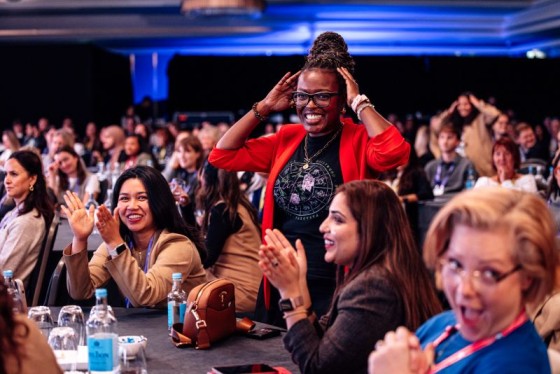
Even in B2B, buying decisions are emotional before they’re rational.
In 2026, emotional resonance is what separates forgettable events from the ones people talk about long after they’re over.
The events that stand out in 2026 won’t feel generic or transactional; they’ll feel human, intentional, and designed with the audience in mind.
If an event doesn’t make people feel something, it won’t be remembered. And if it isn’t remembered, it’s unlikely to drive action.
Designing for emotion starts with a simple question: how do you want people to feel when they leave? That emotional outcome should shape every decision, from content and format to space, pacing, and atmosphere.

“In an increasingly high-tech, high-pressure world, 2026 will see a noticeable shift in how people want to experience events. Attendees are craving a return to basics. Not in a simplistic sense, but in a way that prioritises space to breathe, restore and genuinely connect. For event organizers, the question won't be whether to include wellbeing elements; it will be how deeply they're woven into the fabric of your event."
It helps to think in terms of storytelling. Like any good story, strong events follow a narrative arc: a compelling opening that captures attention. A core experience that delivers value. And an ending that lands with impact. When those elements come together, you’ll organically evoke a positive emotional response from attendees.
What authentic emotion looks like in practice
We saw this in action at Cvent CONNECT Europe, where one keynote sought to bring the world of TV and entertainment to events.
Lighting, music, staging, and pacing were used intentionally to surprise the audience, create energy, and hold attention. The goal wasn’t spectacle for its own sake, it was to earn attention first, then use that to drive deeper engagement and understanding.
▶️ Watch the behind-the-scenes of the creative process below:
Emotion is a team sport
This kind of emotional resonance doesn’t happen in isolation. It’s the result of collaboration between event and marketing teams, and their venues and suppliers. AV and production partners help shape mood and energy.
Food and beverage can reinforce local flavor and shared experiences. Space design influences how people move, gather, and connect. When these elements work together, the experience feels cohesive.
The common thread is audience-first thinking. When events are designed about what people actually care about and want to lean, and how they want to feel, emotion comes organically.
As Torie Chilcott, Founder at Entertainment Thinking, says: “The audience is the most important people in the room. And if you are thinking about what you want your audiences to feel, do and the outcomes that you want to have, that should design the whole experience.”
Trend #4: Personalization is attendee-led
TL;DR: Personalization is shifting to something attendees actively shape themselves.
In 2025, saw personalization at scale take off, largely enabled by AI. Now the shift is about giving attendees the control to shape their own experience.
It’s putting attendees in the driver’s seat, allowing them to choose their own journey. What content they engage with. Who they connect with. And how they spend their time onsite. The expectation is simple: make it easy for me to find what’s relevant to me, without friction.
This is where AI plays a practical role. Personalization at scale is difficult to do manually, but AI can help surface what matters most to each attendee based on real behavior and how they engage. Not just what they say, but what they actually do.
An example of this is Cvent’s session snapshots. Attendees can capture what resonates with them most without having to take copious notes. It’s ideal for attendees hopping from session to session, with live speech transcription.
Why first-party data matters
Personalization also depends on first-party data. Events generate rich behavioural signals through attendance, engagement, and interaction. When used responsibly and transparently, this data enables personalization that feels helpful and relevant, rather than generic or intrusive.
What this means for venues and suppliers
For venues and suppliers, attendee-led personalization is about adaptability and attention to detail.
At the event level, it means supporting flexible formats and experiences that can be tailored to the audience and objectives. At the attendee level, it’s the small touches that make a difference. Clear wayfinding. Thoughtful space design. Experience elements that help people move, engage, and connect on their terms.
Here’s what Toby Lewis, CEO of the Live Group, has to say on personalization:

“Event personalization will matter a lot in 2026. Professional audiences want tailored agendas, purposeful connections, and content that adapts to their interests.
This is where AI and proper data architecture come into their own. Think smart badges that speak to registration systems, apps that quietly learn your preferences during the day, tailored session suggestions, and targeted networking opportunities based on shared goals. In basic terms, it’s about making a 1,000-person event feel like it was built for you.
Of course, personalization only works when it’s done responsibly. The organizations doing it well are transparent about data: what’s collected, why it matters, and what’s optional. Delegates appreciate honesty, especially now.”
Trend #5: Exclusivity and micro-events drive demand and engagement
TL;DR: A focus on smaller, more relevant experiences that bring the right people together.
Exclusivity has become a powerful signal in a noisy, overexposed world.
When everything is accessible to everyone, being invited, selected, or part of a smaller group suddenly feels meaningful.
That’s why exclusivity, often delivered through micro events, is gaining momentum. People are more selective with their time and attention. They want peer-to-peer learning, relevant conversations, and the chance to engage with others who share similar challenges and priorities.
This shift isn’t about chasing registration numbers. It’s about getting the right people in the room. Ten highly engaged attendees learning from one another, asking thoughtful questions, and building relationships can deliver far more value than a packed room with shallow interaction.
Micro event formats and the rise of ‘micro moments’
We’re seeing this play out in formats like executive dinners, customer roundtables, invite-only workshops, and small-group sessions designed around a specific role, industry, or use case. These experiences create space for conversation, trust, and knowledge exchange.
Larger conferences are evolving too. Rather than one-size-fits-all agendas, teams are designing micro moments within bigger events. Think curated meetups, targeted workshops, or breakout sessions tailored to specific audiences. The scale is still there, but the experience feels personal.
At the heart of this trend is relevance. When attendees feel that an experience was designed for them, engagement follows naturally. People show up prepared, participate more actively, and leave feeling that their time was well spent.
How suppliers can support micro events
For suppliers, this trend raises the bar. Smaller formats demand greater attention to detail. Flexible room setups, thoughtful layouts, and the ability to adapt spaces to different interaction styles become critical. The suppliers that stand out will be those that help bring these intimate, high-impact experiences to life without adding complexity.
Trend #6: The era of purposeful event spaces
TL;DR: A shift towards choosing event spaces with intention, not novelty
Last year, we reported on the ongoing demand for unique and non-traditional venues.
That demand hasn’t slowed. But in 2026, why teams are choosing these spaces is shifting.
It’s no longer about novelty for novelty’s sake; it’s about intention.
Rather than selecting venues purely for visual impact, teams are thinking more deliberately about how environments support connection, collaboration, and participation. The space itself is becoming an active part of the experience, designed to enable the outcomes the event is meant to deliver.
48% of event professionals say they’re currently sourcing non-hotel locations, with restaurants cited as the most popular option at 45%.Flexibility of space, attendee experience, and cost are the top factors influencing venue choice, followed by unique amenities and aesthetics.
What this tells us is that unique matters, but only when it serves a purpose.
For venues and suppliers, this trend creates a clear opportunity. As event strategies become more purpose-driven, partners who can help design environments that shape behavior and support engagement will stand out. Flexibility, adaptability, and an understanding of how space influences interaction are becoming just as important as location or aesthetics.
Trend #7: Tech designed for all
TL;DR: With a multi-generational workforce, what it means to be “tech-savvy” is evolving. Technology needs to be intuitive, inclusive, and easy to use for everyone.
Think about how much technology we interact with everyday. Smartphones. Smart watches. Even smart fridges.
People of all generations use technology, and the likelihood is that your audience reflects that mix. As of mid‑2025, more than 1.1 billion people worldwide are 60+, and in the US a full 34% of the workforce is already 50 or older.
At events, that means a multi-generational audience of digital natives, experienced professionals, and everyone in between are all in the same room. Still, while expectations may vary among generations, the tolerance for friction does not.
Attendees don’t want to have to learn how your technology works. They expect it to just work. Apps, check-in kiosks, and onsite tools should help people quickly find the sessions they care about, navigate the space, connect with the right peers, and get value from the experience, regardless of age, role, or confidence level.
When technology feels complex or exclusive, it creates friction. When it’s intuitive and accessible, it fades into the background and supports the experience instead of distracting from it.
In practice, this means prioritizing tools that are:
- Easy to use on any device
- Accessible by default
- Designed around real audience needs
Trend #8: Cost is driving sourcing decisions
TL;DR: Costs are a key factor in venue selection, but not at the expense of the attendee experience.
Event budgets are increasing, but costs are rising faster. In fact, 72% of event professionals globally expect costs to rise by up to 20% compared to 2025.
That pressure is impacting how events are sourced. Teams are scrutinising spend more closely, weighing trade-offs, and making harder decisions.
But here’s the shift: cost efficiency can’t come at the expense of experience.
People still expect immersive, well-designed events that feel worth their time. Cutting corners that impact engagement, comfort, or connection simply moves the cost elsewhere, often in lower satisfaction, weaker outcomes, or reduced return.
As a result, sourcing decisions in 2026 are about overall value.
This is where collaboration becomes critical. Event teams are getting clearer on their goals upfront and working more closely with venues and vendors to deliver against them. Instead of asking “how much does this cost?”, the better question is “what outcomes does this enable?”
For venues and suppliers, this is an opportunity to lead with a value-led approach, including showing how your space supports interaction, flow, and engagement, not just capacity.
Trend #9: Measurable outcomes are more crucial than ever
TL;DR: As digital attribution gets harder, events are becoming one of the most reliable sources of measurable, first-party insight—but only if they’re planned and measured with intent.
Measuring event impact has always mattered. What’s changed is the environment around it.
Digital attribution is getting harder. The loss of third-party cookies is limiting visibility across channels, and zero-click behavior is now affecting organic search as AI-generated summaries answer questions without driving traffic.
One study by the Pew Research Center suggests that users who encounter an AI summary are less likely to click on links to other websites.
The result is less reliable attribution across many digital channels, and more pressure to prove what’s actually working.
This is where first-party data becomes critical.
First-party data is information you own about your audience. And events are one of the richest sources of it. Across the event lifecycle, they generate insight that few other channels can match:
- Registration: role, interests, intent
- Onsite: session attendance, engagement behaviour, peer interactions
- Post-event: feedback, content consumption, follow-up actions
Taken together, this paints a clear picture of who your audience is, what they care about, and how they engage, without relying on third-party signals.
In 2026, this is why events are stepping into a bigger strategic role. Not just as moments of engagement, but as engines for insight, growth, and investment.

“2026 will see marketers increasingly pore over post-event analytics. They will use AI to identify which sessions had the highest attendance, which speaker traits drive positive feedback, and which networking formats yield long‐term business connections. Predictive modelling will help forecast audience expectations.”
But data alone isn’t enough.
To unlock real value, teams need a framework that connects events to business outcomes. This is where Event-Led Growth comes in.
Event-Led Growth is a go-to-market approach that uses events as the core channel for customer acquisition and retention. Instead of treating events as one-off activities, it focuses on building repeatable programs that are designed, measured, and optimised over time.
In practice, this means getting clear upfront on what success looks like, connecting event data into your CRM and marketing systems, and using behavioural insight, not assumptions, to guide what happens next.
When events are measured this way, they move from being hard to justify to hard to ignore.
Want to go deeper on how this works in practice? Check out our Event-Led Growth Masterclass.
2026: The year of delivering with purpose
The trends shaping 2026 point to one clear shift: events are becoming more intentional, more human, and more accountable. The teams that succeed will design with intention, use technology thoughtfully, and measure what truly matters.
For more analysis on the biggest shifts shaping 2026, and what you can do, download our guide: Your Top Event Trends for 2026.

Victoria Akinsowon
You may also like


