Event KPIs: Real tips for real results with Carisa Bartelt


Episode description
Data matters more than ever, and understanding the true potential of KPIs is crucial.
This week, we welcome back Carisa Bartelt, Industry Marketing Manager at Cvent, as she shares valuable insights on the importance of KPIs, particularly in today’s economic climate.
She discusses how to justify your event spend and scale your programs, starting from understanding basic metrics to creating a comprehensive KPI framework. Carisa also explains practical strategies to align your goals, track meaningful data, and engage stakeholders effectively.
This episode offers expert advice on leveraging KPIs to enhance your event planning and achieve greater success.
You won’t want to miss it.
In this episode, you’ll learn:
- The Necessity of a KPI Framework for Event Success: Carisa Bartelt highlights the critical need for a KPI framework in today's economy. This helps event teams justify spending, prove impact, and align goals with organizational objectives, shifting from defending budgets to showcasing success and advocating for growth.
- Streamlining Data for Informed Decision-Making: The episode explores managing vast event data, with Carisa suggesting categorizing data into themes like brand awareness, participation, engagement, and revenue. Understanding who cares about which data and where to find these metrics across different tools—such as CRM systems and marketing automation platforms—allows professionals to effectively showcase the value of their event programs.
- Collaborative Approach to Data Utilization: Carisa and Alyssa highlight the importance of aligning teams like sales and finance in maximizing the impact of event data. Involving these teams ensures they see the data's relevance, fostering collaboration and boosting event performance and scalability while supporting career growth
Things to listen for:
[00:00] Introduction to the episode with guest Carisa Bartelt
[02:08] The concept of a KPI framework for event programs
[06:32] Organizing data points and measuring impact
[11:23] Involving stakeholders and creating organizational alignment
[12:48] Carisa mentions resources available for learning about KPI frameworks
[14:16] Digging deeper into the story metrics tell
Meet your host
Alyssa Peltier, Director, Market Strategy & Insights at Cvent Consulting
Meet your guest hosts
Carisa Bartelt, Industry Marketing Manager at Cvent
{"preview_thumbnail":"/sites/default/files/styles/video_embed_wysiwyg_preview/public/video_thumbnails/ORFop_Vk-aM.jpg?itok=0-4yNppI","video_url":"https://youtu.be/ORFop_Vk-aM","settings":{"responsive":false,"width":"854","height":"480","autoplay":false},"settings_summary":["Embedded Video (854x480)."]}
Carisa Bartelt:
People then get more excited when you are involving them and you're sharing that information and that impact. Then kind of just keep asking and keep justifying for their support, right. You're making them a part of the process and you're making that data work for you because you understand what they care about and what it means.
Alyssa Peltier:
Great events create great brands, but pulling off an event that engages, excites, and connects audiences, well, that takes a village. And we're that village. My name is Alyssa.
Rachel Andrews:
I'm Rachel.
Felicia Asiedu:
And I'm Felicia.
Alyssa Peltier:
And you are listening to Great Events, the podcast for all event enthusiasts, creators, and innovators in the world of events and marketing.
Hello, everyone. What has been going on in this wide, wide world of events? My name is Alyssa, and I will be your host for this week's episode of the Great Events podcast, a podcast by Cvent. Carisa, I would like to welcome you back to the show. We're going to be talking about some really fun stuff today. For those of you who have been previous listeners, Carisa has been a repeat contributor to the Great Events podcast. So we're excited to see what she's been working on in her product marketing role here at Cvent. Carisa, what's been going on?
Carisa Bartelt:
Hey, everybody. Happy to be back. Always good to talk to everyone. I think it's been kind of a wild year. It's been a couple months since I've been here. Think over the last ... We're about halfway through the year now. There's been this really intense focus on what are we doing and why are we doing it and how do we prove or justify impact or resources or anything going forward because I think there was such a fear at the beginning of the year. And now there's this opportunity to kind of reinvent, but there's still a little bit of caution of how much can we spend? What are cutbacks looking at? What's the economy going to do? So I've been doing a lot of work involving kind of understanding what the needs of event and marketing teams are to kind of survive and still execute decently and host great events within this current landscape.
Alyssa Peltier:
And I think we're here to discuss acutely what we need in terms of data, right. What data do we need to prove the impact of our programs? I know we talk loosely about that usually on every single episode in some capacity, right. But I think what's interesting about the work that you've been doing, and I'll let the cat out of the bag here, is that Carisa and her team and our larger marketing group have been working on a KPI framework that can help event managers, event organizers, event planners, event marketers all better calculate the value of their event programs in a more standard way, right.
We've seen kind of a lack of maturity in this space when it comes to data and proof of impact. And so I think the opportunity to have something that's a little bit more consistent in the form of a framework is advantageous to this profession specifically. So Carisa, let's dive into this KPI framework. I guess starting off with what are event KPIs? What are we even actually talking about? I think KPI is relatively widely known term, but there are organizations, associations, nonprofits that use different terms. So when we say KPI, what are we talking about?
Carisa Bartelt:
Data, KPI, these are all buzz terms that we all like right now. And I think the capability to understand what the heck they mean and how do I activate them is really something that we found as just a gap that a lot of us don't have. So I like to think of it in the sea of data, we can report on anything. Anything is reportable. I can give you numbers on anything that you want. And those things, what those are is really ... Those are metrics. Those are one single data point, right. It tells you something really specific, but it doesn't tell you something on its own, right. I can give you a number, 82 for this one thing that we tried to do, and you're like, "Well, great. What does that mean? What do I do with it? How do I improve it?" Right. And a KPI becomes then a combination of metrics or a single metric that you get a deeper analysis of that provides an insight to performance that matters to your business goals or your overall strategic objectives, right.
Alyssa Peltier:
So why does this matter now? I know we touched on this in the opening here. I have assumptions here related to the economic environment that we're in. But why now? Why KPIs for events in 2024?
Carisa Bartelt:
I hate to harken back to the last couple years, but events especially have been this untrackable thing that we just know works. We all do events because our customers like them and our prospects like them and they're great, and face-to-face connections are great, but now with so much of the digitization of just even in-person interactions and the ability to track things, all of a sudden now I've got all this data that I can report on. And my programs are getting cut or my events are getting cut. And I can't cut back on the experience at events because that is something that people in your audience tangibly feels. I think from a marketing standpoint, if I cut back on my Google Ad spend, my customers aren't going to notice, right. They're not going to feel that cut. But if I cut back on the food and beverage on my events or the types of events and the quality of the events I'm doing, they really, really feel it.
So for marketers and people in the event space in general, there's this pressure to ... You still have to deliver great events, but also, we want to give you less. And they need to find a way to justify, one, their impact, and two, the full scope of really the experience that they want to create. And now they have all this data everywhere, right, that's like, "Oh, I can report on how many people attended this particular session and what time everybody checked in. And did they have a great time? And did they like that particular activation that I did?" Are very, very granular. And events teams aren't used to dealing with that much data or dealing with them, that kind of granular nitty-gritty.
Alyssa Peltier:
But let's talk about dealing with the data and what this framework aims to provide, which is a little bit more consistency, a little bit more structure around how to organize that information. Because like you said, it is a sea of information. And part of what we've been lacking historically is a means to make sense of it and categorize it, right. So what are some of these kind of specific examples of these KPIs or even categories of data and KPIs that we're organizing to help event managers improve their programs, to make sense of their programs, to make sense of the data that's part of their programs?
Carisa Bartelt:
Yeah. From a really basic level, getting really simple, because I think data is such a complicated topic and it's very, very intimidating to put your arms around, we're trying to build this framework for us to understand what, who, when, and where each data point kind of fits. We've seen a lot of people out there and they're like, "Here's 200 things that you can measure." And you're like, "Great. But why? What do I do with that? Where does it fit within my understanding of it?" So we've got the what, right, which is what you're trying to accomplish. And we're trying to assign a what to each data point that you might potentially get from an event. Is it to help with brand awareness? Is it measuring the participation and engagement of the people on site? Is it really just a direct revenue financial kind of piece?
Those are all different things of the objective themes, the what that we're measuring. Then we have who. Who cares about it? A lot of different data points are relevant to the event execution team, right. The nitty-gritty tactical. Or the sales team. I want to know about pipeline. I want to know about lead conversion. Or even the financial team, right. And for me, when I have all these things I can now measure, I want to know who cares about what so I can have better conversations with my stakeholders. And then we have it broken down into when, which are these maturity stages, right. When can I start measuring this? You can start measuring it right away. Or you need the foundation of data. Before you can start measuring this, you need this baseline. And then after you start measuring that, you can start looking at year-over-year information or cross event information. And that's that maturity of your data kind of approach. And then where. I think-
Alyssa Peltier:
You beat me to it. I was like, "Am I going to get her? Can I give her the where question?" But you're good. You're on top of your stuff today.
Carisa Bartelt:
Where? Where? Well, I think that's the really important part, right. Okay. I can pull this data. And there's this kind of growth of events as a part of the marketing organization as a whole where we understand not all of these data points are tracked or able to be ... Live in just my event management program or my event software, right.
Alyssa Peltier:
I think that's an important distinction, right. Because oftentimes we get ... There's a lot of event data within a platform like Cvent, right. There's tons of that. But we started this conversation where KPIs are often dependent on multiple data points. And sometimes those data points come with multiple data sources. And so I think the where is very important because we often take a very myopic view within our event planning profession, which is, "I'll just go to my event technology provider," but oftentimes the scavenger hunt exists beyond the tool that you are actively in every day.
Carisa Bartelt:
As we try to grow, I think everybody right now, you want to grow your event impact, you want to grow your personal career, you want to grow the contribution that you have to your organization. That doesn't just live in your specific data segment, right. I want to show impact to the org as a whole. I need to look at data points across the organization or across marketing channel. And that's where you start pulling data from your marketing automation platforms or your CRM or any of your data sources, right, to really get the full picture of what's going on. Not just to optimize the execution of an event, but to really optimize and show the impact that it has on organizational goals and [inaudible 00:09:59].
Alyssa Peltier:
And I also think also when you're looking at the tools and the ecosystem of data that supports your event program, the who actually is oftentimes intrinsically tied to the tool. So for example, use CRM as an example. CRM is a tool that's most commonly leveraged by your sales organization, your financial organization, your marketing organization, those that are responsible for the growth and revenue for your company, your organization, what have you. And so it starts to become clearer what stories you need to tell with those KPIs, with those data points when you know what tools are being leveraged for those particular KPIs. And sometimes the path forward becomes a little bit more transparent as opposed to this kind of opaque situation that we've been in for a really long time.
Carisa Bartelt:
Well, I think too, when you talk about the path forward, I really like the concept too of you need more of these other teams to make what you're trying to do a success, especially because resources are getting tighter. You want them to care about the things that you're trying to produce just as much as you do. And you need to make their involvement easier. And if the data is in a way that they can understand and you're speaking their language, and then also you're pushing information to them so they can see it in their own kind of system of truth or their tool, that helps them feel more bought into the process and creates kind of more organizational alignment.
Alyssa Peltier:
Organizational alignment and opportunity for scalability, for growth of the event program. I think so often we're in a position of defense, right, to defend the program, to justify the spend. But how nice would it be for event professionals to be on the offensive? For them to be able to say, "Look at all the good that we're doing as opposed to look at all the spend that we're trying to defend," right. And so again, KPIs are really the secret behind that. But knowing who you're talking to, where to find that information, what KPIs are of importance not only to you, but also to others, I think, is where the industry is headed.
Carisa Bartelt:
And then you can also help measure how they are impacting what you're doing. And that's kind of that proactive offensiveness of you're giving everybody a nudge because they're all contributing to selfishly your own goal, right, but they feel like a part of the process and they feel ... They can see their own impact of if you participate or if we help activate the sales team here to help drive registration. Or we want better conversion at the end, how can we get better about our nurture programs? People then get more excited when you are involving them and you're sharing that information and that impact. Then kind of just keep asking and keep justifying for their support, right. You're making them a part of the process and you're making that data work for you because you understand what they care about and what it means.
Alyssa Peltier:
No, I think that's great. I think that's perfect. Okay. So I don't want to gatekeep on this framework here. So I know I heard really positive praise from a session that was conducted at Cvent CONNECT just over a month ago now that was related to developing a KPI framework for your own organization. And I do believe, Carisa, there is either an upcoming webinar or a webinar that was just done that might be available on demand. Can you talk about some of these assets that we have for people to learn more about developing a KPI framework and tapping into the KPI framework that Cvent is developing?
Carisa Bartelt:
Yeah. Absolutely. So we've got a webinar coming up, I think it's the first week of August, so two, three weeks, that we're hosting, outlining the framework and what they are, what all the different categories are, what we've identified as the way to categorize your data. We just did a really nice presentation with AMA at their analytics marketing conference. So we've got that also on demand. And then we're working on putting together an asset or a resource for people so they can see individual metrics and how we're tagging them to fit within these themes, these categories, these stages, right, and then where they can find it as a starting point, right. Here's how you can start thinking about it, and here's how we're thinking through where this point fits. But it's really all about the framework of the categorization so that you can learn how to take a metric and fit it in within how we are organizing and teaching you to understand your metrics.
Alyssa Peltier:
I love that. I remember seeing kind of in the chat from the session that happened at Cvent CONNECT. Obviously, this webinar will be an accompaniment to that, and also this conversation that we're having here today. But I think I noticed in the chat this is the best session and the most practical information at Cvent CONNECT this year. So when we see stuff like that, we're like, "All right. We need to continue this conversation." So listeners, I hope you dig in more, dig in a little bit deeper on the data conversation and the data goldmine that is within your event programs to develop those KPIs, to justify the spend, but more importantly, to grow your programs more than ever before. With that, I want to say thank you to Carisa, our repeat contributor on the podcast. We will be happy to invite you again, Carisa, as always, but thoroughly enjoyed this conversation today. So we will see you next week, listeners. Have a great rest of the week.
Thanks for hanging out with us on Great Events, a podcast by Cvent. If you've been enjoying our podcast, make sure to hit that subscribe button so you never miss an episode.
Rachel Andrews:
And you can help fellow event professionals and marketers just like you discover great events by leaving us a rating on Apple, Spotify, or your preferred podcast platform.
Felicia Asiedu:
Stay connected with us on social media for behind the scenes content, updates, and some extra doses of inspiration.
Rachel Andrews:
Got a great story or an event to share? We want to hear from you. Find us on LinkedIn, send us a DM, or drop us a note at greatevents@cvent.com.
Felicia Asiedu:
Big thanks to our amazing listeners, our guest speakers, and the incredible team behind the scenes. Remember, every great event begins with great people.
Alyssa Peltier:
And that's a wrap. Keep creating, keep innovating, and keep joining us as we redefine how to make events great.

49 Great Fundraising Event Ideas for Nonprofits and Charities

Fundraising events are organized to gather financial support for a cause or organization. These activities range from small local gatherings to large public events, including auctions, galas, dinners, competitions, or sales. Beyond raising funds, these events aim to enhance community awareness and engagement. They are crucial for nonprofits to connect with donors, showcase achievements, and secure essential funding for ongoing operations and initiatives.
Fundraising is the lifeblood of a nonprofit. You know it, we know it. It is an excellent way to raise awareness and find support for your cause. That's why we've compiled a list of 49 fundraising event ideas. Whether you need a quick boost or a long-term strategy, we have the ideas to make it happen.
What Is a Fundraising Event?
A “fundraising event,” aka a fundraiser, is organized by nonprofits and charities to raise awareness and identify potential donors to support a cause.
Nonprofits raise funds from institutional donors like the government, philanthropists, foundations, or individuals who care and want to contribute to the cause. Did you know that in the US, 85% of donors volunteer, and 81% attend nonprofit fundraising events?
Fundraising events can be as big and exciting as a concert or auction, or as down-to-earth as a neighborhood block party or bake sale.
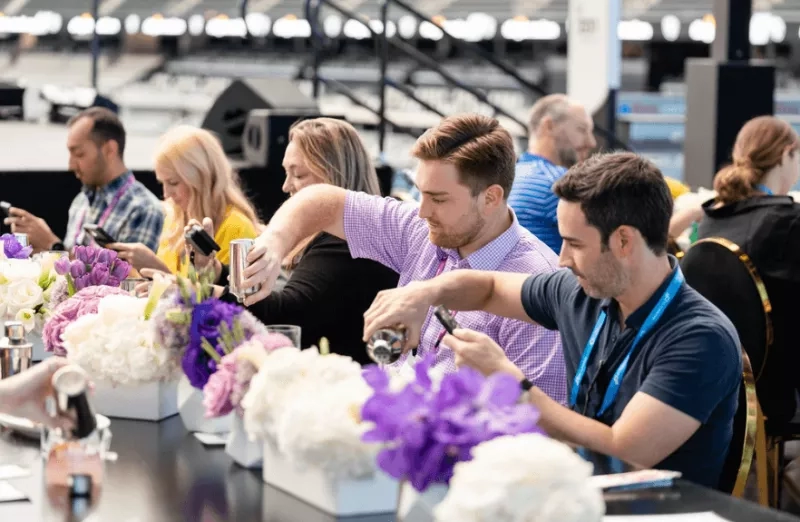
Out-of-the-Box Fundraising Event Examples
1. Donate Your Change Drive
Contact your local businesses and ask them to place donation jars near registers. Encourage rounding up purchases for donations on the difference. This easy and low-budget fundraising idea can be organized in small or larger volumes, according to your resources and aspirations.
2. Worst Talent Show
Turn the tables on traditional talent shows with your worst performance. Entry fees or money for votes can 'save' contestants from elimination, ensuring it resonates with the fundraiser's audience.
3. Reverse Raffle
Instead of buying winning tickets, you sell tickets for NO WIN. The last one NOT winning is the winner of a lesser prize. This fundraising idea is completely different and adds some ingenuity, as it brings some thrill to the old raffle idea.
4. Rent-a-Skill
Auction your supporters' rare skills, from doing yard work to tech support or even offering lessons on how to bake well, right down to dog walking. Donors will bid on the service they would most want. This fundraising event idea is the best way to keep your volunteers and supporters active while providing valuable service to your donors.
5. Blindfolded Taste Test Challenge
Have you seen those Instagram reels where people guess the food or drink while being blindfolded? You can replicate this idea for your next fundraising event. Charge a nominal entry fee and give a prize to the person with the most correct guess.
Fundraising Event Ideas for Nonprofits
6. Bake Sale
Organize a bake sale where you sell baked products and people buy them for a price. This is a classic idea for raising funds, and it can be executed at any point during the year. It is also a great way to bring your volunteers and supporters together, especially if you need a helping hand in your nonprofit event planning.
7. Gala/Concert
Organize a charity gala or benefit concert and sell tickets. The event may include live music, stand-up comedy, food and drink service, or other forms of amusement combined so everyone can have a lively and worthwhile time.
8. Online Race
Host a virtual race and encourage participants to raise money for your cause by asking friends and family to sponsor them. Participants can complete the race on their own time and location, making it a convenient and accessible option for people of all fitness levels.
9. Silent Auction
Organize an annual silent auction with local businesses and ask people to donate all types of items or experiences. Let participants bid on the products, and after a particular fixed time, the people with the highest bids get the items. All proceeds go to your cause.
10. Golf Tournament
Host a golf tournament with proceeds going to charity, allowing entrance through fundraising for the charity. The golf entrants should pay for a round of golf, and sponsors should pay per hole played.
Fundraising Ideas for Schools and Colleges
11. Dorm Room Décor Auction
Have students donate or create dorm-friendly items and host a lively auction. This is perfect for the start of the semester when everyone's styling their rooms. Think cozy throws, decorative lighting, organizers for textbooks and supplies, mini-fridges, or even funny doormats. Partner with local businesses to score some donated items and create a wider variety for bidding.
12. Fix-it Fair
Organize a fair where students with handy skills (bike repair, phone screen replacement, clothing mending, etc.) offer their services for small donations. Set up a booth in a common area or during a campus event for high visibility. Promote the event through social media and fliers in relevant departments or student housing.
13. Campus Photography and Art Sale
Another fundraising idea for students is to hold a photography or art exhibit featuring student work. Offer prints, postcards, or small canvas prints for purchase. Collaborate with the campus art department, photography club, or other student artists to gather various styles and mediums. Consider partnering with local cafes or common areas to display the artwork for a week or two before the sale.
14. Step Challenge
Team up with a fitness app or utilize pedometers to track steps over a week or a month. Set team and individual goals, with prizes and recognition for top steppers. Incentivize participation with pledges per step or a flat donation for joining.
15. Pop Culture Bee
This fundraising event tests participants' pop culture knowledge. It’s like a Spelling Bee, but you ask questions about pop culture instead of spelling. The event features challenges based on slang, movie quotes, and song snippets, and participants pay a small entry fee to compete. Bonus points are awarded for donations.
Fundraising Event Ideas for Corporations
16. Balloon Pop Extravaganza
Take the concept of balloon pop to a whole new level—pun very much intended. As your team members make their way across the finish line, have them enticed by colorful balloons containing either fun little prizes or a chance to win and participate in some ridiculous challenge. Employees pay to "attack the blimps" (balloons) and see what they get! This adds an element of surprise and lighthearted competition.
17. Departmental Decathlon
Encourage the heads of all your departments to come together and have a sort of decathlon, urging them to compete in a suite of challenges related to their domain of interest. Sales could go head-to-head in a "Pitch-Off," Design could host a "Paper Airplane Throw" contest, and Marketers could duke it out in a "Keyboard Typing Race." Offer a mixture of skill-based and purely silly challenges to help celebrate each team's talent and quirks.
18. Bingo with a Twist
Another fundraising charity event idea for corporates is bingo but with a twist. All you need to do is print custom bingo cards filled with inside jokes, company lingo, and references to project names. Make up for the dry B-12 calls with side-splitting verbiage or departmentally applicable terms. Get creative with prizes such as hotly contested parking spots for a week, gourmet coffee deliveries, or even a "Take the Boss to Lunch" gift certificate.
19. Karaoke for a Cause
Everybody loves karaoke. It's the biggest and best fun you can have at your fundraiser. Charge a small entry fee to make your fundraiser the most fun and gigantic event. Organize some snacks and drinks on sale to raise money further. Turn up the volume with local celebrities or sports figures to draw more attention to your event.
20. Vegas Night
If you are into virtual corporate events, this fundraising charity event idea is for you. Use online apps or turn your office into a gambling room. Employees buy chips and use the chips for classic games like poker, roulette, blackjack, or craps. All proceeds go toward your chosen cause. This promises a fantastic night of good-hearted competition and a chance to feel like a high roller in Vegas right in your office.
Also read: A complete corporate event planning guide.
Fundraising Ideas for Instagram
21. Talent Showcase
Leverage the power of social media for events for your next fundraising. Reach out to musicians, dancers, artists, and other creatives to have them post short performance clips with a donate link to your organization in their bio. You can curate these or even put them together yourself in a themed Stories Highlight or Instagram Reels. This showcases hidden talents in your community while generating donations.
22. Recipe Swap and Donation Drive
Invite your followers to share their favorite comfort foods, unique dishes, or healthy snack recipes with a photo on social media or your website. Compile an e-cookbook from all the sent-in recipes and offer it for download in exchange for a donation.
23. Show Us Your Passion Contest
Set a theme for your cause (volunteering, nature, helping those in need). Ask followers to share photos showing their passions related to the theme. People must submit entries with a hashtag, and consider each donation a "vote" for that entry. The top three photos could appear on your site or, ideally, be made into a collage for social media.
24. Take a Photo a Day for a Cause
Choose a topic relevant to the mission (e.g., 30 days of gratitude, acts of kindness). Give a photo theme daily and ask followers to respond with their interpretation using a designated hashtag. That kind of brings in community and maybe asks for a small donation to get the full list of prompts.
25. Virtual Scavenger Hunt
Post a series of photo clues around your city or relevant locations. Followers guess the location and donate per clue solved. The first to solve them all wins a prize related to your cause.
Fundraising Ideas for Kids
26. Candy Sale
Turn kids' love for sweets into a sweet way to raise funds. Buy candy bars at discounted bulk prices, and kids can literally be your representatives. They can sell them in schools wherever allowed, in different parents' workplaces, or door-to-door. This classic fundraiser couldn't be easier to pull off and always plays well.
27. Kids Contribute Auction
Indulge the little ones by encouraging them to participate as active donors. Kids can contribute by donating homemade items, gently used toys, or even preparing artwork for an auction. They can also play the supporting role of congratulating the bidder and handing over the items, showing the work or impact of your efforts being done in their surroundings.
28. Design-a-Shirt Fundraiser
Let kids design a T-shirt featuring your thematic topic and vote for the best item. Afterward, sell the T-shirts to those who support your cause and make the little ones proud of their creation.
29. Face Painting
This fundraising event idea allows students to engage in service learning as they volunteer at the face painting booth and paint children's faces at community events. You can even raise funds for your charity by charging for face painting with a small amount or selling some snacks and drinks.
30. Shoe Drive Fundraiser
Get your children and family members together to donate the shoes they may have outgrown or lie unused around the house. Partner with an organization that will help collect and redistribute the shoes and then fundraise according to the volume of shoes collected. This would send a message of sustainability while helping someone in need.
Spring Fundraising Ideas
31. Flower Arranging Workshop
Organize a florist or an appropriate volunteer to teach an interesting flower-arranging workshop. Arrange for some flowers, wrapping paper, and other tools for those who don't have them, and put on a few snacks and drinks to go with the social atmosphere. Charge a nominal fee for participation, including all the costs, and add a donation to your cause.
32. Mother’s Day Breakfast
Partner with a restaurant or host the event at church and offer a special brunch-style menu for a really sweet Mother's Day treat. Advertise your event vigorously using offline and online channels and sell tickets or "reservations" in advance to drum up a good turnout. You can also make it special with flowers, entertainment, and maybe a raffle for all the moms present.
33. Community Garden Picnic
Put out some chairs and have a picnic in the community garden. To demonstrate human resistance and social interactions in the garden, plan a menu like a potluck but with donated food to keep the costs very low, or charge an entry fee for participation. You can also consider including games, music, or garden tours to get people involved and interact with each other.
34. Easter Egg Hunt
Find an open outdoor venue, such as a park or schoolyard, to hold the plastic eggs filled with treats and maybe even some prize tickets. Charge a small entry fee per participant and seek new sponsorships from local businesses to support the raffle.
35. Earth Day Clean-up
You must collaborate with your city's local environmental groups or the park department for this fundraising event. Provide gloves, bags, and tools for volunteers and have a prize for those who collect the most trash, measured by weight. Also, consider asking participants to get a pledge from people or sponsors, where they get money for each pound of garbage they collect.
Summer Fundraising Ideas
36. Swim-a-Thon
Seek permission from a local pool to allow swimmers to receive pledges per lap swum or as flat donations. Promote this idea in fitness groups and, to make it more engaging, maybe additionally design it as a team competition.
37. Barbecue Extravaganza
A summer must-do! Sell barbecue plates and various drinks, mount raffles and contests, or hold craft beer tastings for adult visitors. Solicit donations of food and sponsorships for profitability.
38. Water Balloon Battle
Bring the most cherished, classic summer game alive with a water balloon battle. Choose a big outdoor park with plenty of room to run, hide, and launch those water bombs. Plan to have a charging door for a small entry fee for participants or charge a sum for every purchased water balloon if it is in a rented facility. Partner with local shops to supply donations to keep costs low.
39. Ice Cream Party
Collaborate with a local shop or conduct your own social event. Charge per serving or team up with an auction for an even larger fundraiser. And don't forget to sell your mission alongside the goodies.
40. Summer Excursions
Host day hikes and camping trips, wildflower walks, or take a group out with a guide to pick mushrooms in the forest. Charge a small participation fee or hire local experts to ensure proper safety.
Fall Fundraising Ideas
41. Pumpkin Carving Contest
This fundraising event idea requires participants to pay a small fee to enter the contest. You only need to supply the carving tools—probably even sold at the door—either selling pumpkins or letting them bring their own. The contest runs in age categories and is judged by a local celebrity. Some of the prizes awarded could be bragging rights, lifetime memories, and, of course, a treasured pumpkin.
42. No-shave November
Donors to this fundraiser pledge to put their razors down for one month while they raise money for the Testicular Cancer Foundation. This fundraising event is generally virtual, which may be modified to suit other causes. In essence, it involves a group of people raising money and awareness for a cause by not doing a specific thing or giving something up.
43. Fantasy Football League
Run a fantasy football league to bring together would-be participants and help them decide what entry fees are appropriate. Before the game, you can decide with the "players" whether the entry fee goes to the prize pot or as a separate donation. You can track the player's performance through ESPN or NFL.com, making it easy to run the fundraiser.
44. Rake-a-Thon
This service allows community residents to have their yards cleaned in the fall for a flat fee or donation to the organization. It could be a great local church service project or done with high school Key Clubs and youth sports teams. Set up your online fundraiser page with suggested donation tiers to capture donations.
Winter Fundraising Ideas
45. Hot Chocolate Station
Set up a hot chocolate station at a holiday concert or, better yet, a Christmas market or on a busy street. Offer hot chocolate and nuts, fruit, marshmallows, or whipped cream to add to glasses filled with steaming chocolate. Don't forget to offer dairy-free versions.
46. Holiday Elves
Promote a “Holiday Elves” service to your community where elves set up Christmas trees, dispose of Christmas trees, set up Christmas lights, shovel snow, and provide other useful seasonal services in exchange for donations.
47. Hygge Winter Party
Celebrate the Danish word for cozy comfort by throwing a Hygge-inspired gathering for people who believe in your cause. All you need to do is to find a location (fire inside or out), encourage comfy clothes, and bring blankets and pillows. Serve up mugs of hot chocolate, tea, and snacks. Add a cover charge for entry to this most comfortable and intimate party around town.
48. Snow Day Fun
If real or artificial snow is anywhere near your nonprofit organization, why not hold a snow day fundraiser? It could range from activities such as snow tubing to a cross-country ski-a-thon. You can organize this yourself or in collaboration with a local company, and you can even reach an agreement to share a certain percentage of the tickets sold with them. A partnership with a company will also provide the equipment and expertise that will go a long way in ensuring convenience in the organization and implementation of the event.
49. Gingerbread House Competition
Organize this contest by asking individuals or teams to pay an entry fee to participate. Enclose the instructions in a nutty box. Give contestants the option of building it on-site before a live audience, taking all good things in life, including time, into consideration, or submitting previously done works that have been presented. Judges will reward prizes based on appearance, originality, and fun.
Types of Fundraising Events
As a nonprofit event planner, you can choose different fundraising events to fit your style and goals. Here are a few of them:
- Run/walk: Think casual 5Ks or community trail hikes—these are easy to organize and perfect for nonprofits of all sizes.
- A-thon events: Walk-a-thons, dance-a-thons... you name it. These events are great for raising awareness, building community, and boosting your bottom line.
- Competition (non-sport): Eating contests, open mic, the ultimate bake-off, or talent shows–get creative. Supporters love to compete for a good cause. (Check those local laws first).
- Fashion Show: Team up with local boutiques for a stylish event that excites everyone. This is a fun way to showcase your cause and attract new supporters.
- Auction: Auctions are always a classic. They attract a wider audience and boost attendee engagement while supporting your mission.
Pro Tip: Finding Donations—Understand which donors will be attending your event when finding auction items for the fundraiser. Create procurement letters, and make them available for auction committee members to use to solicit donations. Know who and when to ask for auction item donations.
Priceless items help create the WOW Factor in the Auction Catalog, which will help elevate your event to a higher level. Priceless items create value out of something that is not ordinary or available on the retail market. Priceless items can sometimes be one-of-a-kind, helping to drive bids up.
"It's not how many items you have in your auction that counts, it's the quality of the auction items you have in your fundraiser that matters most!"
Brian Rechtman, President, Blue Tree Marketing
- Art Exhibit: Tap into your community's artistic side. Partner with local artists to host a show where some sales benefit your work.
- Gala: Galas can be major money-makers (especially with sponsorships), but they take significant planning and event management.
- Concert: From local bands to star-studded shows, concerts are crowd-pleasers. Remember, bigger acts mean bigger expenses and, sometimes, bigger event execution.
- Sporting Event: Sell concessions, run a merch stand, and partner with local sports teams to maximize game day energy.
Big Goals Demand Big Fundraising
There you have it: 49 creative fundraising event ideas. Fundraising is the lifeblood of your nonprofit, and with careful planning and some preparation, you can bring these ideas to life.
Need help streamlining the planning? Event management software can make your life easier, allowing you to focus on your cause.

John Hunter
John is the Senior Manager of Event Cloud Content Marketing at Cvent. He has 11 years of experience writing about the meetings and events industry. John also has extensive copywriting experience across diverse industries, including broadcast television, retail advertising, associations, higher education, and corporate PR.
More Reading
BEST FRIENDS ANIMAL SOCIETY
Achieving positive impact in the animal welfare industry through the power of events

registrations, a record high
leads collected using LeadCapture
Attendee Hub mobile app downloads
Best Friends Animal Society is a national non-profit animal welfare organization that works to end the killing of dogs and cats in shelters and make the country no-kill by 2025. They have headquarters in Utah and lifesaving programs across the country, partnering with thousands of shelters and rescue groups in all 50 states and Washington D.C. to achieve their lifesaving goals. Rachel Hyde, National Events Manager, has been with Best Friends for over 12 years and has dedicated her professional career to saving the lives of homeless pets.

BACKGROUND & GOALS
Best Friends National Conference: Fostering wellness and inclusivity in the animal welfare industry
The non-profit’s annual event, the Best Friends National Conference, brings together professionals in the animal welfare industry to network, provide professional education, and together work towards the goal of increasing lifesaving and improving animal welfare across the country. The conference recently celebrated its 25th event in 2023. While they did move to a virtual format in 2021 due to the global health crisis, the event returned to in-person for 2022 and beyond.
As these industry professionals often face stressful or difficult situations, Best Friends focuses specifically on wellbeing as a key aspect of their conference. “It’s not like other events in that our conference offers an extremely powerful experience for attendees who are passionate about animal welfare,” explains Rachel. “It’s a tough industry to be in so wellbeing is a big focus.”
Across the conference, Best Friends hosted a number of general sessions and 116 different breakout sessions. However, they had limited breakout space. They also wanted to cater to multiple learning styles and differing sensory needs in order to provide an inclusive, wellness-focused experience. As a solution, they developed "free-style learning lounges" where session content was live-streamed to accommodate different learning styles while providing a zone to reset and recharge. These lounges were equipped with beanbags, fidget toys, and other amenities for attendees who needed a stimulation break. They also ensured closed captioning was provided on all livestream content to create an accessible experience for all. The learning lounges were extremely well received and helped Best Friends ensure they met their attendees’ needs through inclusive practices.

APPROACH
Maximizing Best Friends’ event technology investment with Cvent
From a technology perspective, Best Friends leveraged a number of Cvent solutions to create an end-to-end seamless experience. This included Cvent’s Registration tool, Abstract Management, Speaker Resource Center, Attendee Hub Mobile Event App, OnArrival Premium, and LeadCapture.
Rachel does make note that as a non-profit, Best Friends is mindful of its budget and makes that a top priority.Therefore, the tools they choose to invest in have to provide clear value. “Tools like Abstract Management and Speaker Resource Center are so clearly beneficial from that perspective,” she says. Abstract Management serves as a central portal for all speaking abstract submissions, consolidating the process to save time and allowing event managers to easily track, review, and score submissions. They’re also able to automate invitation, confirmation, and reminder emails from a single source.
Similarly, for speakers, the Speaker Resource Center coordinates speaker activities within a single portal. “The Speaker Resource Center makes it so clear cut for our speakers as far as what they need to provide and what is expected,” adds Rachel. “And they can self-serve, which saves us so much time by taking manhours off our plate, which is huge.” In addition to time savings, the automated solutions integrate with the rest of their Cvent platform, ensuring they maintain full visibility into all content and reporting in a single location.

The flexibility of the Registration solution allowed Best Friends to create differentiated registration paths and attendee types, making it easy to create personalized experiences based on attendee profile, audience type, and audience segment. These more relevant experiences can, in turn, help drive registration completion and collect the right details from each invitee. Custom questions also meant Best Friends could gather important demographic information. Rachel explains, “We were able to map the attendee journey in a meaningful way as a result of the custom questions available in Cvent's Registration solution."
They were also able to add donation and membership options to the registration process, creating additional revenue for the organization’s cause while garnering awareness and membership engagement. Moreover, Cvent’s payment processing solution offered a straightforward means of collecting fees through a seamless, automated process. “We also used the integrated payment feature, which made it much easier because we do have so many attendees,” notes Rachel. In fact, they drove 1,646 registrations, a record across the history of the conference.

Providing an engaging, eco-friendly attendee experience with Onsite Solutions and Attendee Hub
Onsite, using OnArrival allowed Best Friends to speed up their check-in process drastically. “We used to pre-print badges, which was such a waste of time and resources,” notes Rachel. With a quick QR scan, attendees could check-in and receive their badge within seconds. This not only eliminated lengthy queues, but allowed for onsite changes without wasting valuable badge stock. Planner alerts kept Best Friends staff aware of check-in progress, providing real-time updates and creating a smoother experience for all.
To keep attendees engaged and informed, Cvent’s Attendee Hub mobile app was used as a central resource for attendees onsite. Here, attendees could access a personalized home screen with their agenda, reference session materials, access sponsor and exhibitor information, and view speaker details. Engagement features like live polling, chat, and Q&A allowed attendees to participate in real time. The easy-to-navigate mobile experience also meant attendees could easily view exhibitor information, network via attendee recommendations and direct messaging, and provide feedback through embedded surveys. “The mobile app also saved so much paper and printed signage, which is hugely wasteful,” adds Rachel. She adds that “everything integrated between the registration site and the app seamlessly,” creating efficiencies for their team while providing a helpful resource for attendees. “It was a huge time savings to have everything in one place in the app, from the venue floor plans to the self-serve agenda,” Rachel insists. The app had over 1,560 downloads and a 91% login rate, proving the success of their investment in the tool.


They also brought attendees together in "The Hub," their central exhibit hall. This created a more engaging environment to attract more attendees. Here, they could network, consume meals, view exhibitor and sponsor activations, visit the Best Friends booth, and more. With more than 40 exhibitors, they leveraged Cvent’s LeadCapture solution for automated lead generation. Using LeadCapture, exhibitors could easily scan, qualify, and rate leads in real time for more accurate follow up. They were able to access detailed reports via the Exhibitor Portal and export them in seconds, giving them an accurate, up-to-date view of lead generation. In fact, there were 1,220 leads collected across the conference, an impressive feat for using LeadCapture for the first time.
RESULTS
Best Friends Animal Society and Cvent: Creating meaningful change through the power of events
Best Friends achieved significant results, including a record high number of registrants and equally impressive attendance rate that surpassed even their pre-COVID numbers. While the conference is not revenue-generating, it serves as a crucial opportunity for Best Friends to connect with individuals in the animal welfare industry to promote their goal of making the country no-kill in 2025. They provide scholarships for many attendees, and are able to measure attendee registrations, engagement, and satisfaction through feedback surveys as metrics of success. These insights are critical for their planning purposes year over year, as they seek to continually prove event impact for their stakeholders and exhibitors. With these factors in mind, they found their conference to be a clear success and are already deep into planning their next conference.
Importantly, Rachel credits the relationship she has with her Cvent team as a key component of helping to drive this success. “It really feels like the Cvent team is part of our organization,” she says. “They always make sure we’re covered and we never have to worry about not having Cvent on our side.” As a non-profit, she also insists that it’s important to work with a partner who understands how to maximize their investment in the tools, given that budget is a central focus for the organization. “We try to always find a way around budget being a barrier, and we feel Cvent supports us and our purpose,” she insists.

LOOKING FORWARD
Looking to the future, Best Friends is focusing on creating a strategic alignment between programming, audience targeting, and session mix for their upcoming conference. Their north star is to bring together individuals who have the most impact on life-saving efforts in the community as they work to lead the country to no-kill. Rachel looks forward to the continued relationship with Cvent in helping Best Friends create an impactful conference that will help achieve this goal.

GOALS
- Empower the animal welfare industry to achieve no-kill by 2025
- Leverage event tech for a seamless National Conference
APPROACH
- Drove donations and memberships through Cvent Registration
- Created seamless experiences with OnArrival and Attendee Hub Event App
- Leveraged learning lounges for different sensory and learning needs
- Drove lead generation for 40+ exhibitors using LeadCapture
RESULTS
- 1,646 registrations, a record high
- 1,220 leads collected via LeadCapture
- Helped drive industry goal of no-kill by 2025

5 Things Still Broken in Events, According to 50 Industry Leaders

Episode description
Inconsistent data, limited executive buy-in, and cross-team misalignment are common challenges in the events industry. But at the latest Cvent CONNECT, these common struggles became the foundation for productive dialogue and real solutions.
In this solo mini-sode, Alyssa Peltier shares key insights from an open forum with senior event leaders from some of the world’s largest brands. She discusses the five most pressing issues facing enterprise event programs today and the steps leaders are taking to move forward.
In this episode, you’ll learn:
- How to build executive trust in your event strategy: Learn why storytelling with clean, consistent data is essential to gaining internal buy-in and budget approval.
- Creating a culture that supports strategic events: Shift your team’s mindset so strategy and execution work together to deliver real business outcomes.
- Evaluate tech that works: Get practical steps for auditing your current stack, reducing overlap, and aligning tools to real business needs.
Things to listen for:
(00:00) Introducing Alyssa Peltier
(02:11) Challenges in the events industry
(09:12) Solutions to reset your event program
Meet your host
Alyssa Peltier, Director, Market Strategy & Insights at Cvent Consulting
Alyssa Peltier (00:00):
We become stuck at measuring our events with attendee satisfaction. The only way we can justify or understand or make meaning of the events that we produce is through their lens but it would be an incredible opportunity for meetings and events leaders to be able to tie to more business outcomes in conjunction with the attendee experience as well.
Alyssa Peltier (00:22):
Great events create great brands. But pulling off an event that engages, excites and connects audiences, well, that takes a village and we're that village. My name is Alyssa.
Rachel Andrews (00:34):
I'm Rachel.
Felicia Asiedu (00:35):
And I'm Felicia.
Alyssa Peltier (00:36):
And you are listening to Great Events, the podcast for all event enthusiasts, creators and innovators in the world of events and marketing.
Alyssa Peltier (00:47):
Hello, everyone, and welcome to this week's episode of Great Events, a podcast by Cvent. I will be your sole host for this week's episode, we like to call these mini-sodes, where I just give you a hot take on what's going on in the meetings and events industry and what better time because we're coming right off of the heels of our Cvent Connect conference which just happened last week. So, I just wanted to talk about some of the things that we're noticing, some of the trends, some of the insights that we gleaned because what better place to understand the pulse of the industry than at a place that has over 4,000 meetings and events professionals all talking and speaking the same language, dissecting their pains and trying to figure out plans to move forward.
Alyssa Peltier (01:35):
One program that I helped facilitate is something that we call an open forum, it features maybe around 50 of our global leaders from some of the largest brands, most recognizable companies across the enterprise landscape. The insights that I'll share with you today are representative of that audience. Like I said, leaders, they're some of these largest brands grappling with some of the biggest problems and some of the grandest meetings and events programs under their belts. We're talking upwards of a thousand events annually within their programs.
Alyssa Peltier (02:11):
So, in our dialogue in the open forum, we facilitated some roundtable networking and so what came to light as a part of those conversations was five key common themes around areas of struggle and challenge that are happening within these spaces. So, I would just like to outline some of those. And then, fortunately, also as part of that roundtable exercise, we talked a little bit about solutioning for progress and moving forward. The individuals were able to share their problems with one another and then they were creatively thinking about how to go about moving the needle and breaking through some of the obstacles that they're facing.
Alyssa Peltier (02:49):
So, the first challenge that was agreed upon across all of this group was that there seems to be continued data chaos and inconsistency and some of those stem from disconnected systems, there was an acute focus on multiple CRM systems which leads to poor data hygiene, a lack of standardized fields or even definitions and really no centralized place to collect or view that event data. Even while these organizations are still using Cvent in many ways, that standardized, that centralized dream has yet to be realized and the impact on that is pretty vast. And most importantly, because of the climate that we're in and continue to be in year over year, is that executives are asking for these leaders to report on ROI.
Alyssa Peltier (03:36):
And without that data, it can lead to poor decision making, duplicative efforts and also difficulty connecting those events to the revenue objectives or the pipeline for those event programs. So, again, very difficult to drive those business objectives forward. Some of the things that we heard direct quotes under that challenge was we have no clear way to overlay data to demonstrate that value. We have poor hygiene and users don't necessarily enter that information on time or accurately. Theme number one, challenge number one that we still need to solve for in our space is fixing the data integrity and consistency problem.
Alyssa Peltier (04:15):
Our second thing that we talked about in this conversation was lack of alignment. And this is not just a strategic problem, it's a functional alignment and it's also regional alignment. So, there's three areas of the business where alignment is lacking. There's different departments, there's different regions, there's different stakeholders that operate with, oftentimes, competing goals, they have competing priorities and also complete operational inefficiencies, workflows can be completely different. So, you can see, within that matrix or lack thereof, there is no shared vision or accountability for what good looks like, what success looks like and how alignment could even be achieved. And so, the impact there oftentimes comes on misalignment of spend on budget, back to point number one, inconsistent of the measurement of success, what is it that we're actually even driving towards, how would we measure it and what data is important to capture and a consequence of all of this is a lack of buy-in for change. It's hard to mobilize and jockey for more resources or for more budgeting with higher ups when you don't have the benefit of numbers and people all working in the same stream in order to shift that narrative.
Alyssa Peltier (05:26):
The third theme that we saw was that there is technology sprawl and oftentimes an under investment. Despite there being technology all over the place, maybe it's inconsistent or there's purchasing happening in different pockets within those decentralized regions and functions like I mentioned prior, technology goes along with that. So, we heard from these leaders multiple tools oftentimes are doing the same job so we're overspending on the same function. Teams aren't always clear on what use or how to use it and there has oftentimes been an investment without enablement or without the path towards adoption of that investment and, a lot of times, this is stemming from that lack of centralized ownership of the technology implementation itself. And so, again, just to beat this drum, the impact here is on inefficiencies, data silos, the inability to scale, stuck at status quo and ballooning costs. And while you could be spending more strategically and investing in better tools, we're stuck with stagnant just to maintain what is.
Alyssa Peltier (06:34):
Let's talk about trend number four or challenge number four, we saw the measurement and proving value. So, again, pointing to point number one, the inability to measure and prove value often comes with a data strategy or lack thereof. Within this theme, there haven't been outlined clear or consistent KPIs for leaders of meetings and events, it has been difficult to tie event outcomes to pipeline or to business goals and there are fuzzy definitions of what is ROI for an event. Oftentimes we hear the term ROE, return on event or return on engagement, what are the true metrics that we need to organize around as an industry in order to provide the impact that the higher ups, the leaders above our meetings and events programs are seeking.
Alyssa Peltier (07:25):
And the impact here is there's doubt, consistent doubt on event effectiveness and budget justification year over year becomes harder. And so, we hear that time and time again from the leaders that we work with on a daily basis that we just can't justify the spend for a new program, a new event, even when ideas and creativity is still flowing, that budget justification is always there. And so, the inability to prove what's working, what isn't and to shift those resources elsewhere can be quite complicated in a climate that has all of these challenges in it.
Alyssa Peltier (07:58):
And then, lastly, execution gaps. Oftentimes there is a gap between the strategy and the delivery to the onsite experience due to more limited resources. No one has been spared from the budget cuts or you are very, very lucky if you have been spared from budget cuts over the last 24 months or so. Certainly, in this current macroeconomic climate, we see that quite often and, because of that, there are also unclear roles, throwing bodies at problems or new bodies at the same problems who aren't aware or capable or understanding of how to solve those and that results in last minute execution and an inconsistent delivery of the attendee experience overall. And really, I've said this in many different ways, the missed opportunity to align to those commercial opportunities. We come stuck at measuring our events with attendee satisfaction. It's the only way we can justify or understand or make meaning of the events that we produce is through their lens but it would be an incredible opportunity for meetings and events leaders to be able to tie to more business outcomes in conjunction with the attendee experience as well and it's still an area where there's opportunity for growth within our environment.
Alyssa Peltier (09:12):
Now, I know I just talked about a lot of pain and a lot of challenges and a lot of the things that seem like, ugh, doom and gloom because we're still here and we're still grappling with these things and I hope many of you that are listening right now are saying, "Yeah, I sympathize. I feel these pains deeply. This is exactly what I'm going through." Here's the good side. At Cvent Connect, we have this catalytic moment where minds come together and they can talk through a lot of these challenges but they can also ideate for plans for the future. And so, some of those recommendations and solution ideas that came from those discussions include the following. A plan for standardization and centralization, critical step number one. Things that came up as a part of this solution area number one. Starting to think about creating templates, new naming conventions, perhaps peeking behind the hood at your governance model or perhaps lack thereof, what does that look like and is it working with your modern business climate.
Alyssa Peltier (10:12):
There have been suggestions for mandating pre and post data collection that can be tied to your event briefs, your meet and request forms and to establish those KPIs under the same framework. Lastly, more mature but certainly something of opportunity here is to implement a data lake with ownership for integration within your meetings and events program or your meetings and events tech stack. Really establishing that as an extension of your meetings and events governance and your data strategy as a part of that is really critical towards overcoming that which we were talking about just earlier here.
Alyssa Peltier (10:48):
Second thing is building a shared accountability matrix. This sounds easier said than done but communicating cross-functionally and often from the top-down and bottom-up is really critical. So, communication here, whether it's clearly outlined or it's still murky, hard coding that and trying to figure out who you need to talk to, when you need to talk to them and be reoccurring in that communication plan. That paves the way for creating a shared vision, creating those shared success metrics and establishing feedback loops for what's working, what's not working, whether that's within stakeholder groups, different regions, different functional teams that support the meetings and events program. And within all of those different, what we would call decentralized pockets, identifying and empowering a strong leader that's going to champion the change. Because, really, we have to find the motivators within each of these areas in order to figure out and to navigate the actual change management plan.
Alyssa Peltier (11:47):
And a lot of times, that comes to number three recommended solution or ideas here, is a shift in the culture or the mindset of teams. Oftentimes, planners and event professionals get a bad rap for being tactical or to-do or list makers. So, I think the shift and the culture mindset really comes starting to demonstrate wins and the cost of inaction. The cost of not doing things differently, to not collect data in a more standardized way and the tool that is most powerful in that is one of storytelling and storytelling through data to secure that buy-in and to change the course of inaction. Really educating organizationally and also within your team the purpose behind the events, why it is that you do what you do, it's not just to produce a successful event. Yes, we all love a successful experience but it's not just the component, there is a business side of events that matters too. And so, fleshing out both sides of that equation, both the execution and the tactical and also the nuts and bolts or the monetization of events, if you will, the economics is equally as important and that's a shift in the culture and the mindset of those that have been producing and creating events career long.
Alyssa Peltier (13:08):
Now, I'll leave you with some insights that we left with and this is in listening to the conversations all of last week. Teams really do know what's broken, they just really need the support to fix it and a lot of those solutions do hinge on executive backing, those shared frameworks and a lot of that cultural alignment. So, that's the good news, that's the upside that we're not trying to figure out what it is that needs change. However, change itself is the struggle. Second, without those clear goals, success is subjective. Getting those stakeholders to define that success before planning can even begin is really, really critical to the success and proving that value which is what we're all really marching towards. The third thing is measurement isn't just about tools, it's also about trust. So, building that trust in your data strategy, in your data plan, how it's collected, who's inputting that data. Even your best dashboard. If it's faulty with data, it's not going to drive your decision-making behaviors.
Alyssa Peltier (14:15):
And lastly, growing your events and your event programs and leveraging these as a business solution is not going to scale without integration. So, we heard from many of these leaders we're not integrated, we need to integrate, we're struggling with the integrations, participants are so eager to make events more strategic, but that's only going to come if the systems and the people can support that shift. So, I really thank you all for joining me today. I hope this mini-sode gave you some ideas, maybe somewhat of a catharsis to bring back to your teams and start figuring out your plans for the second half of the year to move your programs forward. See you next week.
Thanks for hanging out with us on Great Events, a podcast by Cvent. If you've been enjoying our podcast, make sure to hit that subscribe button so you never miss an episode.
Rachel Andrews (15:10):
And you can help fellow event professionals and marketers just like you discover great events by leaving us a rating on Apple, Spotify or your preferred podcast platform.
Felicia Asiedu (15:19):
Stay connected with us on social media for behind the scenes content, updates and some extra doses of inspiration.
Rachel Andrews (15:27):
Got a great story or an event to share? We want to hear from you. Find us on LinkedIn, send us a DM or drop us a note at greatevents@cvent.com.
Felicia Asiedu (15:37):
Big thanks to our amazing listeners, our guest speakers and the incredible team behind the scenes. Remember, every great event begins with great people.
Alyssa Peltier (15:47):
And that's a wrap. Keep creating, keep innovating and keep joining us as we redefine how to make events great.