INTRODUCTION
Boutique hotels are juggling luxury-level expectations with lean teams while competing with a wide range of local and regional hotels. Planners—many of them first-time social organizers or younger corporate buyers—expect intuitive tech, instant responses, and transparent pricing from smaller properties, just as they do from big-box hotels. The pressure is especially intense around group housing, where hidden fees, manual rooming lists, and opaque processes can quickly erode trust.
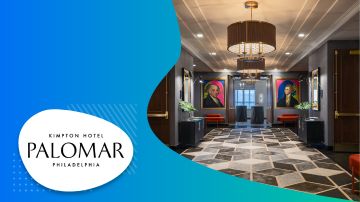
Kimpton Hotel Palomar Philadelphia, a 230‑room luxury boutique property in the city’s Rittenhouse Square neighborhood, sits squarely in this cross‑current. With 6,000 square feet of naturally lit meeting space spread across the 24th and 25th floors, the hotel attracts corporate groups, pharmaceutical and biotech programs, and high‑end social events that expect exclusivity and flawless execution.
Ryan Sullivan, Director of Sales and Marketing, and the team wanted a room block solution that matched the “no ordinary agenda” guest experience they create on‑property. Their answer: Cvent Passkey.
CHALLENGE
Manual room blocks, hidden fees, and staffing crunch


SOLUTION
Cvent Passkey for end‑to‑end room block management
Ryan wanted to explore how Cvent Passkey could address both social and corporate block needs. Several factors made Passkey the obvious choice.


RESULTS
Higher occupancy, stronger pickup, and hours of time saved
The most immediate impact has been on occupancy—especially valuable weekend nights tied to weddings and social blocks.
I definitely think that there’s an impact on both RevPAR and occupancy, but I would say certainly occupancy has been the biggest focus for us. The most immediate impact Passkey had when we implemented it was the increase in occupancy. And again, to make sure that our pricing transparency was available to the end user.
By removing the guest amenity fee barrier and surfacing shoulder‑night and upgrade options, the hotel now:
- Improves pickup across contracted nights.
- Captures more extended‑stay revenue without over‑committing base inventory.
- Keeps guests within the block rather than losing them to third-party channels.
Passkey’s automation has materially changed how the team spends its time. Rooming list uploads that previously required recreating spreadsheets now take minutes, whether submitted as a PDF or Excel file. Citywide reservations are delivered via two‑way Passkey connectivity, eliminating manual keying and the risks associated with handling credit card data.
“Now with the end user being able to enter [credit card information] through Passkey, those reservations for the larger room blocks are already coming into our system… their sensitive information is secured and is not being transferred.”
With fewer time-consuming manual tasks, Ryan’s team can respond more quickly and thoughtfully to planners—an area planners consistently rank as a top factor in venue selection.
The ROI from Passkey comes down to the efficiencies the team can achieve by maximizing their time and focusing less on the minutiae tasks that just require extra clicks. Now they can focus their efforts elsewhere to ensure our clients have the best possible experience.
Other ways the team at Kimpton Hotel Palomar Philadelphia have improved the group room block process include:
- Proactively adjusting block inventory based on Smart Alerts before clients even realize there’s a potential issue.
- Using Passkey data in weekly forecasting to fine‑tune group vs. transient mix.
- Having sales, revenue, and operations all working from the same real‑time housing data.
Additionally, by meeting Passkey requirements for certain Philadelphia citywide events, Kimpton Palomar has opened the door to additional high‑value events. In an environment where destinations and hotels increasingly rely on Passkey to manage multi‑property blocks, this positions the hotel competitively alongside larger brands and full‑service convention properties.
BEST PRACTICES
Kimpton Hotel Palomar Philadelphia exemplifies how a boutique property can pair distinctive, hyper‑local experiences with enterprise‑grade room block technology. For boutique hotels facing similar challenges—complex blocks, tight staffing, and guests who expect transparent, tech‑enabled experiences—Kimpton Palomar Philadelphia’s story shows how Cvent Passkey can turn room block management from a headache into a strategic advantage.

- Use Passkey for every group, not just “big” events. Standardize on Passkey for weddings, social blocks, corporate meetings, and citywides so staff don’t have to juggle multiple processes.

- Automate rooming lists and eliminate manual re-keying. Require planners to submit lists through Passkey and use CventIQ’s rooming list upload and validation to standardize formats and cut errors. Aim to eliminate spreadsheets entirely as a “source of truth.”

- Turn on Smart Alerts and define clear inventory rules. Configure alerts for pickup thresholds by night and segment (e.g., weddings vs. corporate) and decide in advance how you’ll add or reallocate inventory. This lets revenue teams protect key dates while keeping blocks open for high-intent guests.

- Give planners 24/7 self-service access. Default to planner portals and dashboards so couples and corporate clients can monitor pickup and run basic reports themselves.

- Integrate Passkey tightly with registration and PMS. Connect Passkey to event registration so attendees can book rooms immediately after registering, and ensure reservations flow directly into your PMS/CRS to keep front office, sales, and revenue on a single data source.

- Package upsells that match your boutique positioning. Design upgrade options that reflect your brand (views, suites, spa, food and beverage, local experiences) and standardize them in Passkey templates so they’re easy to reuse across groups.
MEETING SPACE
7,000 sq. ft.
GUEST ROOMS
230
LOCATION
Philadelphia, PA
CHALLENGES
- Guest amenity fees applied to transient guests—but waived for groups—were not displayed clearly online, causing confusion and weaker pickup for wedding blocks.
- Citywide events in Philadelphia increasingly required a two-way Passkey transfer, while the hotel was still manually entering reservations and handling sensitive card data.
- The group rooms coordinator role was cut, leaving sales, conference services, and revenue teams to absorb highly manual, error-prone rooming list work.
SOLUTIONS
- Kimpton Palomar implemented Cvent Passkey across all group types—weddings, social, corporate, and citywides—for a single, standardized housing process.
- Custom Passkey booking sites now surface amenity-fee exemptions, shoulder nights, and upgrade options, and Smart Alerts help adjust inventory based on real-time pickup.
- Two-way integration with IHG systems plus Passkey’s rooming-list upload, planner portals, and reporting tools automated data entry and gave planners 24/7 self-service visibility.
RESULTS
- Weekend and event-related occupancy improved as clearer pricing and easier booking drove stronger pickup for wedding and social blocks.
- Hours of manual work were eliminated—especially around rooming lists and citywide reservations—freeing staff to focus on forecasting, sales, and client service.
- The hotel gained access to more citywide business, while delivering a smoother, tech-enabled guest and planner experience.