


Community events draw crowds for obvious reasons: food, drinks, live music, carnival rides, etc. What keeps them there longer than planned, though? Connection with other attendees.
The conversations that happen while waiting for bingo numbers to be called, or as neighbors finally put names to faces, they've been waving at for months. The best community events create space for these spontaneous connections. If people walk away feeling like they were part of something, even for an hour, chances are, they'll probably show up next time too.
Below are some community event ideas that encourage genuine interaction without requiring complicated logistics or massive budgets. First though,
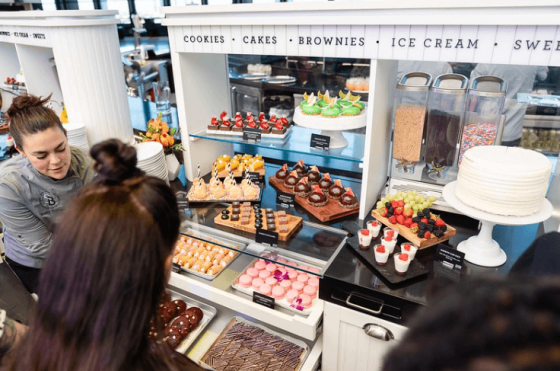
What is a community event?
A community event is a space where people come together for a purpose or interest. It can be open to the public or for a specific group, such as neighborhood residents, members of a local organization, employees, or customers of a brand.
Community events focus on building connections and give people a reason to meet new people, share food, support a cause, or have a relaxed space to spend time outside the usual routine. These events don’t always follow a set format. Some are one-time festivals. Others repeat every month or season, shaped by whoever shows up and what’s happening locally.
Benefits of hosting a community event
A community event is often the first time someone sees your organization doing something without needing to explain it. Running something local leaves an impression and gives people a way to step in without being asked for anything.
And while the focus is usually on attendees, these events also shape how your team works. Different departments handle real decisions together, often under pressure, without time for formalities. That experience tends to stick and makes the next collaboration faster and easier, even if the stakes are different.
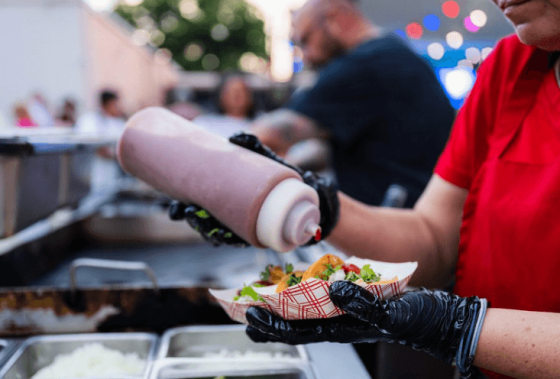
How to plan a community event in 8 easy steps
Decide on a theme
While the most obvious step is to book a date and venue, you should always decide the theme of the event first, since that’ll dictate the venue style. For example, if the theme is to bring families together for casual socializing, a park pavilion or community center with an outdoor space, can be suitable. But if you're aiming for professional networking with a relaxed twist, consider a local brewery or café with enough seating. Deciding the tone early can save you from overplanning or underplanning later.
Book a space
Once you know the kind of experience you’re creating, look at spaces that support it without too much friction. Think about the actual flow of people, like where they will enter from and what the sightline is to signage or seating. The venue you choose shouldn’t confuse or frustrate people who made the effort to come.
Assign roles beforehand
Decide who will manage different aspects of the event, like coordinating with volunteers and making a call if the weather shifts. Everyone involved in the event planning should know what they’re responsible for, so minor issues don’t turn into last-minute chaos. Write these things down, even if it’s only a shared note or Slack thread.
Create a short registration form
Free community events still benefit from knowing who’s coming. You can use event management software to create a basic signup form to decide how much space you need, what food restrictions to keep in mind, which sessions might need more chairs, or how many volunteers to recruit.
Partner with local businesses and groups
Partner with local cafés, gyms, bookshops, and nonprofits who are willing to co-sponsor or cross-promote if there’s a natural fit. For instance, a food stall might donate snacks in exchange for a booth, or a yoga studio might offer a demo class during a park event. These partners can give your event greater reach, as each group shares it with their own circles.
Perfect the permit process (who to contact)
If you are using private property, check with the venue about any insurance or capacity limits. You'll likely need a permit for public spaces, including parks, streets, and town squares. Start by contacting your local City Council or Public Works office and asking what’s required based on the type of activity you’re hosting.
Promote a community event locally and online
Flyers and posters still work, but they’re even better when paired with other channels. Use your own mailing list, post in relevant WhatsApp or Facebook groups, create a microsite, and ask local shops if they are willing to display your flyer near the register.
Follow up after the event
Send a post-event feedback survey with one short follow-up message to understand how the experience landed. It should have basic questions like what people enjoyed, what they’d change, what surprised them, or what they’d want to see next time. People often offer better suggestions if the ask is casual and personal.
Leave space for what you didn’t plan
Not everything needs a fixed schedule. Memorable moments often happen in between the planned activities, such as an old neighbor finally introducing themselves, or someone nervously working up the courage to try the open mic.
Build in some quiet corners and unstructured time to make the day feel more relaxed. And if things don’t go as planned, your event management team won’t be scrambling.
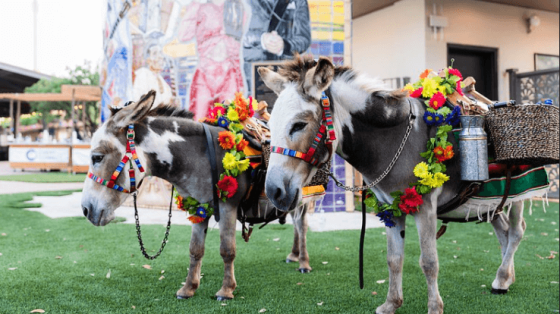
10 great ideas for your next community event
1. Host a cultural food festival
People show up for food and stay if it tells a compelling story. Invite local chefs to share dishes tied to personal or regional histories, and avoid the overly familiar catering menu. Family recipes, street foods, festival specials, and the things people rarely make in bulk but always talk about are usually popular choices. People often linger longer once they taste something new and ask someone real about what’s behind it.
2. Organize a talent show
Create a community talent show that feels more like a shared evening than a stage competition. You might get singing, poetry, dog tricks, improv, or someone reciting memorized football stats. All of it counts. The point is to give people space to show up in a way they normally wouldn’t. Keep the structure loose but the runtime under control.
3. Plan a bingo night
Bingo works because it doesn’t require much explanation. People can jump in halfway through, chat while they play, swap stories between rounds, and keep one eye on the game. It’s one of those community party ideas that scales well, whether you're hosting ten people at a pub or fifty in a rec hall. And be a little creative with the prizes: something funny, something practical, something oddly specific, or something no one asked for but secretly wants.
4. Set up an open mic night
Open mics are flexible community events that offer a range of formats. To host these events, you’ll want an emcee who can read the room and smooth over any awkward transitions. Encourage short sets and, keep the tech setup simple, and keep the vibe loose. It’s not a performance so much as a space where people test things out, such as songs that aren’t polished or poems written that morning.
5. Coordinate a community cleanup
Not every community cleanup has to be about litter. You can center it around restoring a garden bed, repainting a shared wall, setting up a community bench, or clearing out an underused alley. The work matters, and so does the way people connect while doing it.
Give people something to do that makes visible progress by dividing them into small teams, giving them the right tools, and providing an endpoint that feels manageable. Don’t forget the before-and-after photos that you can use on social media and make volunteers feel like they made a mark on something they pass every day.
6. Run a seasonal community festival
A community festival doesn’t have to be huge to feel like a big deal. Start with something manageable: a street block, a courtyard, a shared garden, or even a rooftop space. Build around what’s already happening that season, such as spring planting, summer solstice, Halloween, harvest, or local school breaks, and let the energy come from the people who show up.
Ask local vendors or artists if they'd like a stall, and invite kids to run small activities. Avoid scripting everything since these festivals work best by growing organically year by year. You’re only setting the first version in motion.
And if you plan to run this annually, you’ll want a system that doesn’t need rebuilding each time. Cvent Essentials lets you copy previous events, set up registration caps, manage email reminders, and track responses from one place without loading up your team with platform overhead.
7. Host a game night
Game nights are often underrated social in-person event ideas because they don’t require any shared background. What they need is a group of people willing to join in. Choose games that are fast to learn and easy to reset: card games, trivia, drawing games, and party-style team games that rotate groups. Don’t focus too much on winning, as that can push people away.
Make sure there’s someone who can explain the rules and step in if the mood gets tense. Put out some snacks, maybe some music too. And don’t worry about who wins, since the whole idea is to get people relaxed, talking, and staying a while.
8. Create a pop-up experience
Some of the easiest community events for businesses are the ones you don’t have to build from scratch. Just join in on what’s already happening. Think of a pop-up with food trucks, a few local artists, maybe a service provider or two. Everyone gets a small table, and people drift between them. It works when the focus isn’t on selling but on being seen in a space that feels local. Skip the “20% off today only” signs, and let people find out who you are without the hard pitch.
9. Invite people to a one-day skill swap
Everyone’s good at something like cooking, budgeting, fixing zippers, and explaining spreadsheets. A skill swap is a great workshop event idea that can also work for community events.
Ask around, and you’ll find people willing to lead a short how-to or mini class. In one corner, someone can teach composting, while in another, it can be as basic as bike repair. The idea behind skill swap is to have a one-day rotation of practical things people can learn and try. Make this event public, offer tea or snacks in the middle to keep people engaged, and keep the sessions short enough to leave people curious.
10. Bring back a classic with a twist
Sometimes the easiest move is to take something that already works and give it a slight twist. Screen a film and let the crowd pick what’s playing. Try karaoke, only this time people can sing in pairs. Host a quiz night where teams can invent their own bonus rounds.
These setups aren’t new, which is why they land. There’s no learning curve, as people already know how it goes, and that makes them comfortable enough to show up again.

5 keys for executing and promoting a successful community event
1. Run the event without micromanaging
If the plan is solid, you don’t need your team darting around the venue all day. Put one person at the entrance. Ask another to walk the floor now and then to check things like signage, water, or whether a speaker’s gone past their slot. Beyond that, let people focus on keeping things moving, not controlling every detail.
Attendees don’t expect perfection. What they notice are the small touches: a working mic, clear signs, or a face at the help desk when they need help. Those little things carry more weight than flawless timing.
2. Let the energy lead the event
Timelines are helpful, but they don’t have to be rigid. If a talk is running long and people are engaged, give it space. If energy dips, wrap it early. That judgment of knowing whether to stretch or pivot is what separates good event managers from timekeepers. It helps to have someone not tied up with logistics watch the crowd. Where are people drifting? What’s drawing them in? Adjust to that instead of sticking to a script.
3. Make it easy for people to share the event in real-time
Photos are fine, though most people prefer to share their own perspective. Give them easy ways to do that: a video booth, a wall where they can leave quick notes, or a prompt like “I came here today to…” that anyone can finish. Keep it optional and light. Put a QR code around the venue linking to the event page or the next date. It’s sustainable than having flyers that no one takes home anyway.
4. Promote without the hard sell
Don’t announce the next event. Have someone at check-in mention it casually: “We usually do something like this each season. If you’d like updates, tick the box on the form.” Mention partner organizations by name during intros. Hand them the mic if they’re there. It feels more natural than a plug from the stage.
5. Follow up after the event
Send one clean follow-up after the event, thanking people for showing up. Share a few memories from the event and ask one question that can help you plan better next time. People are more likely to respond if it feels personal and requires minimal effort. They already showed up. You don’t need to convince them of anything. It’s all about closing the loop.

Conclusion
This blog was all about designing events that foster community, and as you’ve seen, it doesn’t take a huge budget or perfect planning. The right people and a few thoughtful details are usually more important than anything else. If someone leaves feeling noticed and maybe with a new story to tell, you’ve done your part.
Up next, read 40+ proven fundraising event ideas for nonprofits and charities.
Frequently asked questions
How do you make a community event fun?
Start with what people already gravitate toward: talking, eating, playing games, and wandering around with a drink in hand. You don’t need to spell everything out, just ensure the entrance is clear, the music isn’t too loud, and nobody feels like they’re interrupting something by joining in late.
The unforgettable moments tend to happen in the gaps: between sessions, during casual interactions, while grabbing a snack, or after someone unexpected takes the mic. So, plan enough to give the event shape while leaving room for spontaneity


