

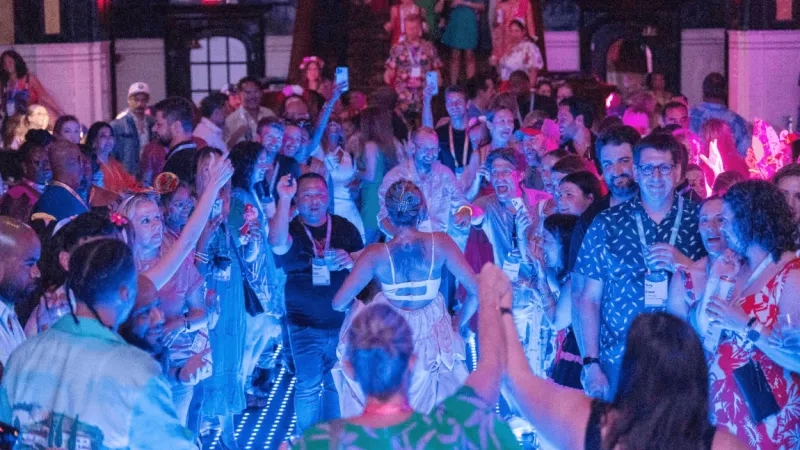

There’s a reason the events industry is doubling down on in-person meetings. Conversations move faster when people are in the same room. Attendee attention lasts longer when phones are away. And ideas land better when there’s space for discussions and follow-up within the same session.
Across the board, marketers and planners are rethinking how they allocate time and resources. Virtual formats are still in use, but they no longer carry the strategic weight they once did. More than anything, teams want the kind of engagement that lasts beyond the meeting itself. That’s difficult to achieve in digital formats, where attention fragments and interactions fade once the browser is closed.
In the sections ahead, we’ll examine the importance of in-person events, their comparison to virtual formats, the benefits and challenges they present, and what it takes to plan them effectively in the year ahead.
The Value of In-person Events
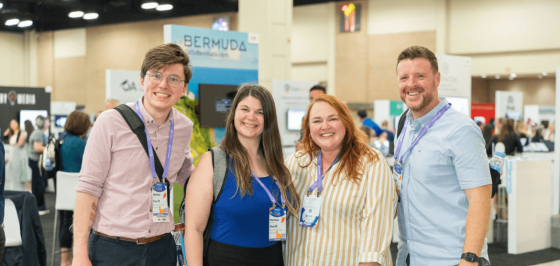
For event professionals, the value of in-person events has never been clearer or more measurable. Face-to-face meetings consistently outperform virtual formats across a range of business outcomes, from stakeholder alignment to deal acceleration. A 2024 Harvard Business Review study found that in-person requests are 34 times more successful than those made over email, even when the content is identical.
The trust built during in-person interactions can speed up decision-making, reduce follow-ups, and mitigate risk in negotiations. These advantages are part of why 9 out of 10 planners expect to manage more onsite meetings in 2025.
Client relationships deepen faster when people share a room. Sponsorship value increases when brand presence is tied to actual engagement, not just digital impressions. Even internal teams benefit from it: offsite meetings provide focus and clarity that’s hard to replicate in daily workflows.
Seventy-eight percent of planners said that field marketing events, such as conferences, summits, and conventions, are their organization’s most impactful marketing channel. These events produce stronger signals. Planners can track which sessions initiate discussions, which formats hold attention, where drop-offs occur, and which experiences lead to stronger business outcomes. They offer visibility, and that’s becoming a key advantage for teams that want to prove value, not just host activity.
In‑person Event Trends
The event trends below are already shaping how planners work and what attendees expect as we head into 2026.
Planners are sourcing directly
More planners are eliminating the proposal cycle entirely for smaller events, such as training days or half-day off-sites. Eighty-four percent of planners say they’re more likely to book a venue if it offers direct online booking.
Compressed approval cycles and late sign‑offs leave little room for a week of back‑and‑forth. Instant booking enables planners to secure space once they have obtained stakeholder sign-off, rather than risk losing dates while waiting for a proposal. For venues, it means less churn and a faster path to confirmed revenue.
Unique spaces are becoming mainstream
Almost half (49%) of planners report sourcing nontraditional or “unique” venues, moving away from standard hotel ballrooms. Two years ago, that number was just 17%. Unique spaces often offer better pricing, more flexibility, and a clearer sense of experience, and that’s what’s driving the jump.
Technology is quietly taking over
AI, feedback tools, live agenda updates, conference management software, and automated check‑ins have become baseline tools. Cvent’s Pulse Survey reveals that 59% of planners are utilizing generative AI in their planning workflows. And when you’re working on tight timelines with lean teams, that kind of support is critical
In-person Events vs. Virtual
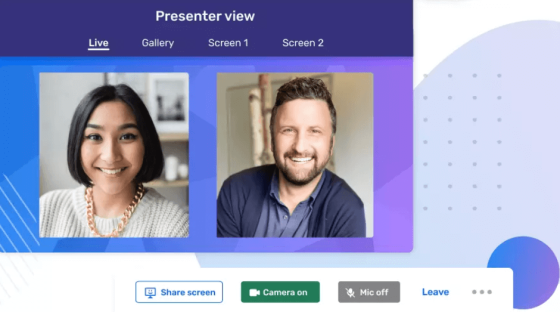
Both formats are still in use, but they serve different purposes. Virtual works well when the content is straightforward and the goal is distribution. However, when there’s friction to resolve or momentum to build, planners are reverting to in-person formats.
The decision has less to do with tradition and more to do with outcomes. It’s easier to read the room, surface objections, and move discussions forward when people are physically present.
With virtual, it’s less obvious to tell who’s following. A point lands, but no one responds. Someone raises a concern, and it gets lost in the chat. The meeting ends, but nothing feels settled. Follow-ups stack up because the work didn’t quite land the first time.
But that doesn’t mean every meeting needs a room. Many programs still begin online, but for moments where alignment is crucial, or when planners need attendees to stay focused on the content, being in the same physical space still makes a difference.
Benefits of In-person Events
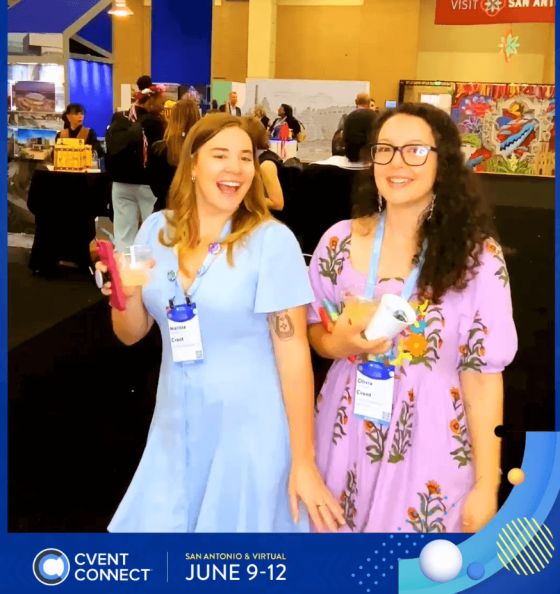
The benefits of in-person meetings show up across the entire event lifecycle, from sourcing to post-event follow-up.
Better attendee data and event signals
Planners are examining how people navigate the event, how long they stay in sessions, and what they do after leaving. That kind of behavioral data can be captured virtually through tools like Q&A, polling, and engagement scoring, but it’s not always as complete.
In person, the signals are more authentic. In-person event software can provide everything that a virtual event tool can, along with nuanced information such as who lingers after panels and which sessions are a hit among attendees. Those moments often carry more weight than chat comments or clicks, because they show what holds attention when no one’s watching a screen.
Attendee experience becomes easier to manage
Planners can control more variables in a physical space. That includes pacing, layout, food and beverage flow, and the way different moments are introduced. When attendees are onsite, you can spot confusion and fix it. You can redirect the energy when things feel flat and create spaces that allow for rest or focus, depending on what the day demands.
This level of design rarely translates online, where attention is split and physical comfort varies.
Stakeholders stay engaged longer
Most decision-makers already spend their days jumping between screens. A virtual keynote can be skipped, but an in-person roundtable isn’t as easy to ignore.
It’s challenging to disengage when the people you need to speak to are sitting across from you. Conversations that would typically require three email threads or two follow-up calls are often handled in a single interaction. That kind of progress is easier to make when everyone’s present and stays present.
Sponsors see more value and stay involved
Sponsors don’t just want logos on lanyards. They want interaction and tangible proof that their presence contributed to business results. That’s harder to deliver in virtual formats, where engagement tends to be lighter and attribution more complex.
In-person formats enable more tactile and creative activations. Whether it’s a branded zone, product demo, hosted lounge, interactive games, or exclusive giveaways, sponsors can showcase their presence in ways that feel integrated. And that visibility leads to better lead capture and stronger retention.
Managing complex agendas
Managing complexity virtually works best when everything runs to script. However, when schedules change or decisions need to be made midday, it’s trickier to adapt without the people in the room.
In person, you can regroup between sessions. You can pull stakeholders aside for a quick check-in. You can adjust the format based on how the room is responding. When you’re dealing with multiple tracks or pivoting priorities, those moments make a difference.
Long-term impact on engagement and follow-up
One of the biggest benefits of in-person meetings is their staying power. Conversations carry more weight when they happen face-to-face. People remember the tone, not just the words. Follow-ups tend to be more effective because the context is still fresh.
In-person formats often lead to faster decisions, greater accountability, stronger networking, and more visible momentum, all of which make post-event reporting easier and more meaningful.

Challenges of In-person Events
In-person meetings offer more control, but also more pressure. Here are a few challenges of hosting in-person events.
Venue availability
Preferred venues are booking out faster. Teams that once worked on six-month timelines are now scrambling to secure space with less lead time. However, even with early planning, it has become increasingly challenging to align dates, capacity, location, and other logistics in high-demand markets or for repeat formats.
When availability falls through, planners are left adjusting event layouts, formats, or city selections, not always because they want to, but because they have to.
Budgets constraints
Planners may be working with more budget on paper, but a higher ceiling hasn’t eased the pressure. Costs are up across food and beverage, labor, venue minimums, and tech infrastructure. That means each spend is being scrutinized more closely.
Sponsors and internal teams want to see measurable outcomes. A premium catering or AV package won’t be enough unless the event delivers something measurable, such as leads or renewals. And when those metrics don’t land, the post-mortem lands harder.
RFP responses are delayed
In-person meetings introduce more variables, and yet many RFP responses still feel like templates. When planners are juggling multiple events, they need responses that are not just fast but complete. Room specifications, technical capabilities, contingency policies, and floor plans; if these are missing or vague, the venue often doesn’t make it past the first round.
It’s not always about pricing. Often, it’s the follow-up burden that knocks a venue out of contention. The time spent chasing details or rewriting vague responses for internal review adds up fast.
Attendee experience depends on too many variables
In-person events are tough to patch once they’re live. A missing microphone, a delayed shuttle, unorganized check-in kiosks, or a poor room layout are details that can become memories for all the wrong reasons.
The challenge is that even the best-laid plans can strain under tight timelines, lean internal teams, or last-minute changes. And because the attendee experience is now the primary metric of success for many planners, that pressure hits every part of the onsite delivery.
How to Plan In-person Events
1. Start sourcing earlier
Even simple events are now competing for space. High-volume demand and shorter booking cycles make early outreach a strategic advantage. Starting earlier gives you more options, not just in venue choice, but in pricing, availability, catering, and format flexibility. If a preferred venue falls through, you can easily adapt it with context.
2. Use event goals to shape the RFP
Planners are not only requesting space; they also want outcomes. That shift needs to show up in the RFP. What kind of engagement is expected? What’s more critical: flexibility or footprint? Is there a technical need that the space must solve?
When venues understand the why behind the request, they’re more likely to respond with a solution that fits.
3. Build for simplicity, but prepare for layers
Most events have more complexity than their agenda suggests. One-track days often become two. Breakouts get added. Sessions run over. And new stakeholders jump in with new asks. The best planning occurs when the structure is simple enough to maintain its shape but flexible enough to absorb change.
That starts with the run of show. However, it plays out in the layout, room flow, signage, handoffs, and team roles. The more defined those structures are upfront, the easier it is to make decisions later.
4. Make attendee movement part of the experience
How people move through the event affects their overall perception of it. That includes flow between sessions, availability of seating, access to quiet zones, and how intuitive the signage is when someone’s short on time.
Poor navigation creates unnecessary friction. Good flow increases perceived quality. Neither requires a larger budget. All it needs is forethought and collaboration with the venue.
5. Plan with fewer assumptions about tech
Hybrid events and live-streamed content have normalized some attendee expectations, even at fully in-person events. However, not every venue is designed for broadcast, and not every AV team is proficient in your platform.
Begin with specific definitions of what’s being recorded and shared live, as well as the expected experience on the other side of the screen. Then scope backward. If the setup feels duct-taped together, attendees will notice, and internal stakeholders definitely will.
6. Lock in vendor roles
Events rely on vendor coordination that often happens out of view. Staging, catering, transport, AV, check-in, and security each run on their own rhythm. But attendees notice gaps. A delay in one area breaks confidence in the rest.
Vendor calls aren’t just for updates. Use them to clarify responsibilities, identify dependencies, and make sure no one’s planning in a silo. The fewer surprises on the floor, the stronger the experience.
7. Create systems for feedback
Attendee surveys still matter. However, planners are seeking more nuanced data and quicker signals. This includes real-time inputs (session check-ins, dwell time, and onsite questions) and post-event behavior (follow-ups, registration for the next event, and sponsor inquiries).
When that feedback loop is built into the planning, it shows up in better decisions.
8. Leave room for unplanned moments
Not every interaction happens in a session. Some of the best outcomes, such as introductions, follow-ups, and shared context, happen in between. Those moments are where relationships deepen and decisions change.
Organizers can’t manufacture them, but they can make space for them by planning longer breaks or lounges designed for conversations. The more intentional the gaps, the more likely something valuable fills them.
Pro tip: Use Cvent Essentials for repeatable events
If your team handles a steady stream of small, repeatable events, Cvent Essentials can handle the setup.
You can create approved templates for registration pages, confirmation emails, name badges, and check-in, so you aren’t designing from scratch. It’s useful when the format rarely changes and the goal is to stay on schedule without sacrificing brand or reporting standards. Cvent Essentials helps teams avoid delays, reduce mistakes, offload repetitive tasks, and keep small events moving.
Conclusion
The value of in-person meetings isn’t up for debate. What matters now is how they’re used. When the format is chosen with intention, and every piece of the experience is treated as if it has a job to do, people notice. They stay longer, engage more, and walk out with something they remember. That’s the bar now. And for planners, it’s not just achievable. It’s expected.


