


Today, marketers are producing more content than ever, but attention is harder to earn. And with AI flooding channels with content, breaking through the noise to truly connect with people is a challenge.
But there is one often-overlooked source of content that can help: events.
Events aren’t just moments in time. They provide insights, conversations, and experiences that not only create impact in the moment but can also fuel your marketing efforts long after.
This guide shows you how to build a content strategy around your events: from content formats that encourage participation and co-creation, to material you can repurpose across channels.
Why event content needs a strategy
Events are full of untapped content potential. Every keynote, breakout, and audience question can become material that drives engagement—but only if you plan for it.
Without a content strategy, events risk becoming one-off moments, disconnected from the rest of your marketing efforts. With one, they can fuel your broader marketing goals, from pipeline growth to thought leadership and customer retention
A strategy also makes the ROI of your event content measurable: you can track how sessions, formats, and follow-ups contribute to outcomes.
Planning your event content with purpose
Start with your audience
Your audience is giving you their time and attention, and they expect it to be worth it. That means starting with what matters to them: the challenges keeping them up at night, the metrics they’re chasing, and the conversations they’d love to have with peers if given the chance.
Audience research is where this starts. Talk to sales about the questions prospects keep asking in demos—or even better, listen to the demos yourself.
Ask customer success which features spark the most support tickets. Look at your own marketing data, like top-performing content and webinar registrations, to see what topics are already resonating.
Once you know what matters, shape your program around it. If you’re running an event for demand gen marketers, you might anchor the agenda on “marketing attribution.”
The keynote explores attribution, the breakouts dive into campaign reporting frameworks, and the fireside chat showcases practitioners who’ve cracked the code.
When every session ladders up to a theme that reflects your audience’s world, the event feels like it was built for them.
Tie content to clear goals
Be clear on your event objectives before beginning to create your content. Is the priority to fill pipeline, deepen customer relationships, or position your brand as the expert in your space? Or perhaps it's a mix of all of the above. Whatever your goal, your content should be shaped with those outcomes in mind.
Your goals won’t dictate the exact format, but they should guide how you design and deliver your session(s).
For example, you could use a workshop to help existing customers solve advanced challenges, thereby helping with retention. Or a panel could showcase thought leadership or highlight customer success stories, depending on the angle.
What matters is making sure each session, story, and takeaway connects back to the bigger business objective. If it doesn’t serve the goal, it shouldn’t make the cut.

Map the content journey
Event content isn’t just about the day itself. It starts building the moment you announce the event and (ideally) keeps working after the event ends.
- Before the event: Build anticipation with teaser blogs, speaker spotlights, short video clips, and email previews.
- During the event: Use interactive elements like polls, live Q&A, as well as creative session formats (more on that below).
- After the event: Extend the shelf life of your content with on-demand recordings, highlight reels, recap articles, and targeted follow-ups tied to the sessions people engaged with.
Done well, this creates a content journey that keeps the conversation alive, not just a one-day spike.
Coordinate with stakeholders
Content works best when sales, customer success, and marketing are aligned. Each brings a different perspective: sales knows objections, CS knows success stories, marketing knows how to shape a narrative. Bringing them together early ensures the agenda resonates across the board.
Loop in speakers, too. Don’t just hand them a theme — share audience profiles, common challenges, and data points they can use. For external speakers, consider prep sessions to align on tone and takeaways. The result: a cohesive program with no overlaps or missed opportunities.
How to deliver content that connects
Content delivery is where you win or lose attention. Audiences are busy, and their time is valuable. So if sessions feel generic, they’ll tune out quickly.
When sessions invite participation and stay relevant to the room, they create moments people remember and share.
Turn the right dials
Think of event content as three “dials” you can adjust depending on your goals:

- Content dial: the themes and formats you choose to deliver your message
- Production dial: staging, lighting, and media enhance delivery
- Interaction dial: the opportunities you create for people to participate
Of the three dials, content often has the greatest influence because the themes and formats you choose shape how people connect with your brand, and how much value they take away.
Choose formats that get people involved
Panels and keynotes have their place, but don’t rely on them alone. I like to think of content as an experience. And what better experience than a live event?
So, ask yourself: what do you want the audience to feel, and what do you want them to do next?
Examples of creative formats to try include:
- Debates: Get two perspectives on a hot topic and let the audience weigh in.
- Roundtables: Encourage peer-to-peer learning and deeper dialogue through small-group discussions.
- Workshops: Hands-on sessions that drive practical outcomes.
- AMAs (Ask Me Anything): Candid, unscripted Q&A with experts or executives
- Fishbowl discussions: Rotating participants keep the conversation dynamic.

Getting creative with your content formats doesn’t just boost interaction during the event, it also generates memorable content you can repurpose later.
Tailor content to what audiences care about
Don’t guess what your attendees want. Use registration data, surveys, and input from your sales and customer teams to shape sessions around real challenges and interests. Build sessions that speak directly to those needs so people walk away feeling it was time well spent.
Make every session actionable
Go beyond slides by giving attendees practical tools they can use right away — think checklists, frameworks, or playbooks. This turns your event into a learning hub, not just a listening exercise, and helps your content retain value long after the event ends.
Plan to repurpose your event content from the start
The end of your event should be the starting line for your content strategy, not the finish. With the right approach, the material you capture can fuel your marketing for months, turning a single event into a content engine.
Capture the good stuff
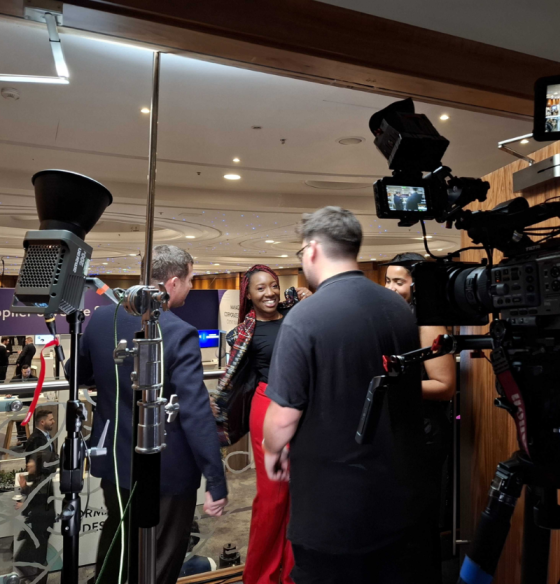
You can’t reuse what you don’t capture. Record key sessions. Capture audience interactions. Collect speaker soundbites. The best content often comes from unscripted moments in breakouts or Q&A.
Have a photographer who knows how to capture energy and connection—not sure stage shots, but candid moments like two people leaning over notes, a speaker cracking up at a question, the crowd reacting to a surprise reveal.
And don’t forget digital footprints: keep an eye on your event hashtag and social posts. Sometimes attendees share perspectives you’d never script but can reuse.
Turn moments into assets
Ideally, you should have an idea of the sessions you want to repurpose beforethe event starts. After the event, review what you’ve captured and identify the strongest moments. Then repackage them into formats that extend reach:
- On-demand videos: Upload select sessions to your event content hub or YouTube channel. This is great for thought leadership sessions that you want to amplify.
- Blog posts: Turn a 30-minute talk into a blog post that’s optimized for search engines and LLMs. For example, a panel discussion could become a listicle with multiple viewpoints and key quotes.
- Social media snippets: Share quick quotes or stats from speakers on LinkedIn, either as text or simple graphics. Clip 15-30-second video moments for Instagram reels or LinkedIn posts to keep the buzz going.
- Sales enablement: Repurpose product sessions into demo clips, or compile Q&A highlights into a document that addresses common objections.
?Check out this post for more ways to repurpose your event content.
Build events into your content strategy
Events are often an underused source of content. Each one is a chance to spark engagement in the moment and create content that keeps working long after.
Think of them as chapters in a bigger story you’re telling your audience. One event sets the stage, the next builds on it, and together they fuel your campaigns, sales conversations, and customer programs. When you plan with intention, deliver with your audience in mind, and repurpose content across channels, each event drives impact well beyond the day itself.
Get more practical tips in our guide to driving engagement through events.

Victoria Akinsowon
You may also like


