


If you’ve ever waited days for an RFP reply or struggled to balance rising costs with planners’ sky-high expectations, you’re not alone. The world of hotel sourcing has never felt more demanding. Planners want speed, clarity, and venues that spark connection and deliver memorable experiences.
That’s why Cvent partnered with Censuswide to dig into what’s really driving global planner sourcing trends in 2026. We surveyed 1,650 professional planners across North America, Latin America, Europe, Asia, Australia, and the Middle East & Africa. The findings uncover how sourcing in the hotel industry is evolving and what hotels and venues need to do to stay ahead.
From AI tools shaking up sourcing for the hospitality industry to the growing demand for flexible, one-of-a-kind venues, this year’s report paints a clear picture: sourcing is faster, smarter, and more focused on experience than ever before.
Who we surveyed
To understand global planner sourcing trends, we spoke with more than 1,650 professional planners in July 2025. Respondents came from six regions: North America, Latin America, Europe, Asia, Australia, and the Middle East & Africa. This gave us a worldwide snapshot of sourcing in the hotel industry.
The group wasn’t just seasoned pros. Most were Millennials (56%), with Gen X making up another big slice (27%). Their experience ranged from fresh perspectives to over 20 years in the field, which gave us insights across all career stages.
They plan everything from large conferences and training workshops to networking sessions and VIP events. A quarter expect to manage 26–50 events in 2026, while over a third say they’ll run 11–25. In other words, these are the planners living and breathing hospitality sourcing trends every day, and their insights reveal exactly what hotels and venues need to deliver now.
Get the full story. The 2026 Global Cvent Planner Sourcing Report includes regional breakdowns and even more insights to shape your strategy.
Inside the 2026 planner survey
The global meetings landscape is shifting, and planners are adapting in real time. Our latest, global Planner Sourcing Report gives a clear view of what’s ahead: slower growth in event volumes, tighter budgets, and rising expectations for what venues deliver.
1. Planners lower growth expectations but raise the bar on engagement
The events industry isn’t charging ahead with unchecked growth anymore. Planners are taking a more cautious view of 2026, with fewer expecting big jumps in meeting volumes. Only 70% predict an increase in in-person events this year, compared to nearly 90% in last year’s report. A noticeable share even expects volume to hold steady or decline.
But slower growth doesn’t mean lower ambition. Instead, planners are redefining what success looks like. Attendee engagement and satisfaction now sit at the top of the priority list, outranking cost management, which was the leading KPI just a year ago. That shift speaks volumes about how procurement in the hotel industry is changing.
Planners are looking for venues that do more than provide four walls and AV. They want networking-friendly layouts, integrated food and beverage, proximity to interesting experiences, and customizable spaces that create memorable moments. Nearly half are even branching out to non-hotel venues like restaurants, wineries, and cultural spaces.
Takeaway for hotels and venues: This means the old formula of competitive pricing and availability won’t cut it on its own. Hospitality procurement trends now revolve around one question: can your space make attendees feel engaged, connected, and inspired?
2. Planners are technology power users, but frustrations are mounting
Planners are spending more time than ever on sourcing platforms, websites, and digital tools. Most see the benefits like faster sourcing, more venue options, and clearer communications. But about a third say technology either slows them down or adds little value. That gap shows one thing clearly: the tools haven’t quite caught up with planners’ expectations.
AI is stepping into that gap. Three-quarters of planners now use AI in their sourcing process, from finding and selecting venues (43%) to analyzing attendee data for the best fit (41%) and comparing bids (40%). More than 60% expect to ramp up AI use even further in 2026. While AI is no longer experimental, many planners are still figuring out exactly how it can help. And over half (57%) aren’t sure how AI could act as a better assistant in sourcing.
Younger planners are even more enthusiastic: 77% of Gen Z respondents say technology helps them source effectively, while only 15% see it as a hindrance. But for all planners, time remains a constant factor. Nearly six in ten spend up to five hours using tech for each event, with another 30% putting in six to ten hours.
Takeaway for hotels and venues: Technology and AI are powerful tools, but venues and platforms that don’t deliver speed, intelligence, and clarity risk frustrating the very planners they aim to support.
3. Planners balance experience with rising costs
Rising costs are top of mind for planners in 2026. Globally, 72% expect event expenses to climb up to 20% from 2025, while 69% say their budgets will rise at a similar rate. Even with budgets keeping pace, the pressure to get the most value out of every dollar is stronger than ever.
Planners are getting creative. They’re exploring ways to deliver memorable experiences while keeping costs in check. This includes negotiating smarter with hotels, considering alternative venues, and finding packages that stretch the budget without compromising on quality. Special event venues like restaurants, wineries, and cultural spaces are increasingly attractive, with 34% of planners citing cost as a top factor in booking these spaces.
Budgets may be tight, but the focus on attendee experience remains firm. Planners are still prioritizing networking-friendly layouts, integrated F&B, and unique locations that make events stand out.
Takeaway for hotels and venues: Show planners how to maximize impact within budget, and you’ll become a trusted partner rather than just a space provider.
4. Defined sourcing processes drive efficiency and savings
Planners are getting strategic about how they find and book venues. Using a defined sourcing process rather than winging it has become the norm. Nearly all planners (97%) report saving both time and money when following a structured RFP and sourcing approach.
The benefits are clear. Standardization cuts down on back-and-forth emails, helps planners compare venues side by side, and provides better visibility into costs and options. About 42% estimate 10–30% savings on costs, while 40% say it saves a similar chunk of time. Planners also appreciate that a defined process makes it easier to gather detailed venue information, evaluate options efficiently, and communicate clearly with vendors.
Adoption is growing fast. Today, 22% of planners are required to follow a formal process for every meeting, and another 38% use it for most events. Even so, there’s still room for growth. Roughly a third of companies globally lack any formal sourcing process, leaving many planners to piece things together manually.
Takeaway for hotels and venues: Make it easy for planners to follow a clear, structured process, and you’ll help them save time and money while boosting the likelihood of a booking.
5. RFP tools redefine speed, savings, and decision-making
Almost every planner is leaning on online RFP tools. Globally, 96% use them to build requests, and nearly a quarter rely on these tools for every meeting and event. The reason is simple: efficiency. Digital RFPs save time, streamline contracting, and make it easier to transfer and manage data.
The tech makes decisions smarter. About 42% of planners say RFP tools improve analytics, and 34% say they streamline processes. AI is now a major part of the mix, helping planners compare bids, analyze attendee data, and create optimized RFPs with less guesswork. Nearly 40% use AI to compare bids, and 41% rely on it to align venues with attendee needs.
Speed matters too. Planners expect timely responses, with most wanting answers within four business days, whether the event is for 50 attendees or 100. Larger events give a little more leeway, but clarity and responsiveness remain key differentiators when choosing a venue.
Takeaway for hotels and venues: Investing in digital RFP tools and quick, accurate responses is now a baseline expectation. The easier you make the sourcing process, the more likely planners are to put your space at the top of their list.
6. Planners want transparency, speed, and clear venue differentiation
Planners are generally satisfied with the sourcing process, but satisfaction isn’t the same as perfection. They increasingly expect clear, transparent proposals, easy access to venue information, and trusted relationships that make the process smoother. Technology helps fill the gaps by streamlining info, speeding up responses, and enabling more personalized communication.
Venues that rise to the occasion stand out. Planners are influenced by practical details like meeting room specifications (50%), photos and videos (48%), and floor plans or diagrams (46%). Easy access to this information can tip the scales when planners decide whether to submit an RFP. Quick responses matter too: 24% of planners say slow replies are one of the most frustrating parts of the process.
Other factors also sway decisions. Dates and location remain top priorities, but brand reputation (24%) and having an existing relationship with venue staff (20%) are growing in influence (up nine percentage points from last year).
Takeaway for hotels and venues: Providing a fast, transparent, and well-differentiated experience builds trust. Venues that make it easy for planners to compare options, understand capabilities, and communicate efficiently position themselves as reliable partners rather than just spaces to rent.
7. Planners continue to flock to flexible, one-of-a-kind spaces
Special event venues are no longer a niche choice. They’re central to the sourcing mix, nearly matching hotels as a go-to option for planners. These spaces stand out because they support highly engaging, experiential events, with flexible layouts, unique amenities, and opportunities to integrate cultural or culinary experiences.
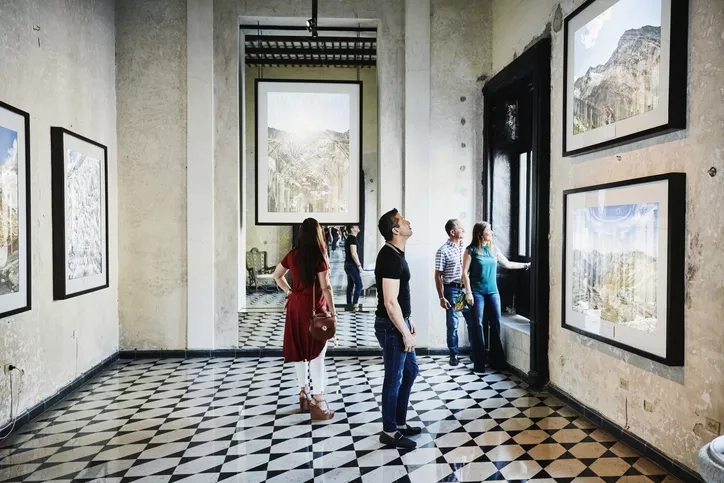
Almost half of planners (48%) are now sourcing non-hotel locations like restaurants, art galleries, bars, and wineries. Since 2023, the popularity of these spaces has jumped more than 30 percentage points. Planners are clearly favoring venues that offer collaborative, immersive experiences rather than standard meeting rooms.
Flexibility, attendee experience, and cost drive these decisions. About 41% of planners prioritize the adaptability of the space, 35% care most about how it engages attendees, and 34% are influenced by cost. Unique amenities and aesthetics also matter, influencing roughly a third of planners’ choices.
Takeaway for hotels and venues: Experiential events are here to stay. Planners are looking for venues that offer proximity to cultural experiences, layouts designed for networking, and integrated F&B options. Hotels and venues that can offer this kind of flexibility and personality are more likely to win repeat business and become part of a planner’s preferred sourcing circle.
8. Strong vendor and venue partnerships are essential amid staffing challenges
Vendors have always been a key part of executing events, but in 2026, their role is more critical than ever. With smaller venue teams and rising vendor costs, planners rely heavily on trusted partners to keep events running smoothly. A creative vision can only go so far. Vendors bring the expertise to make it happen, from AV and tech to entertainment and experiences.
Nearly all planners (95%) now work with on-site event support vendors, and most prioritize partners who can drive attendee engagement. About 57% often or always rely on vendors to achieve engagement goals, and 59% call on them for entertainment. Event tech vendors are particularly in demand, with 57% of planners using them frequently, reflecting the increasing complexity of planning and the need for seamless execution.
Staffing gaps and inexperience at venues remain real challenges. Nearly half of planners say inexperienced staff impacts their events, while others cite reduced amenities, limited hotel availability, or slow RFP responses. Planners see technology, clear dialogue, and transparent communication as key solutions, with roughly 40% hoping these improvements will make sourcing and bookings more efficient.
Takeaway for hotels and venues: Strong, reliable vendor relationships are essential. Hotels and venues that build trust, maintain responsive communication, and support planners with capable vendors gain loyalty and become the go-to choice for events, even in a tight labor market.
Frequently asked questions
What are the top hotel sourcing trends for planners?
Planners are focused on speed, transparency, and venues that put attendee experience first, not just price.
How quickly do planners expect RFP responses?
Four business days is the magic number for most, no matter the event size.
How are AI tools changing hotel sourcing for planners?
AI is everywhere: drafting RFPs, comparing bids, analyzing attendee needs, and helping planners make smarter decisions faster.
Why do digital assets matter in hotel sourcing?
Photos, floor plans, and specs often determine whether a planner even sends an RFP. Clear, accessible info wins points every time. For example, invest in diagramming technology to improve collaboration and floor plan quality.
Which regions are gaining popularity for hotel sourcing?
The report covers North America, LATAM, Europe, Asia, Australia, and MEA. Growth is driven by unique experiences, flexibility, and availability in these regions.
How important is trust in hotel sourcing decisions?
Extremely. Planners increasingly value transparent proposals, clear communication, and trusted relationships with venue staff.
What sustainability factors do planners value most?
Sustainability didn’t dominate this year, but eco-friendly practices and responsible sourcing remain on planners’ radar.
What new technologies are influencing hotel sourcing?
AI, smarter RFP platforms, and digital sourcing processes are shaking things up and giving planners more control.
How does automation improve hotel planner sourcing?
Automation saves time, streamlines communication, and makes it easier for planners to compare venues quickly and efficiently.
Where can I find the full hotel planner sourcing report?
The complete 2026 Global Cvent Planner Sourcing Report is available for download on Cvent’s website.
The future of sourcing is faster, smarter, and more human
The 2026 planner report makes one thing clear: hotel sourcing is evolving fast. Planners want speed, transparency, and venues that deliver unforgettable experiences. Technology—especially AI and smarter RFP tools—is helping them make faster, smarter decisions, while flexible, one-of-a-kind spaces and strong vendor partnerships are rising stars in the sourcing mix.
For venues, the message is simple: make it easy for planners to research, compare, and book. Clear specs, quick responses, and standout experiences aren’t just nice-to-haves—they’re the difference between getting an RFP and being passed over.
Start sharing your space, showcase your unique perks, and lean into the tools and processes that make sourcing seamless. By doing so, you don’t just fill rooms—you build trust, create loyalty, and position your venue as a top choice for planners navigating an ever-changing landscape.
Explore deeper insights. Download the full report for regional breakdowns and the latest planner sourcing trends worldwide.

Mansi Soni
More Reading


Why Cvent?


